Powered by IGDB•Privacy•Terms

© 2026 Slated.gg

Slated.gg
Popular GamesAbout

Death Stranding 2: On The Beach

Sony Interactive Entertainment • 2025 • PlayStation 5
Approachable but deepGreat solo experienceClear progression

Is Death Stranding 2: On The Beach Worth It?

Death Stranding 2 is worth it if you crave a slow, atmospheric game that lets you sink into a strange world and sit with big feelings. It’s a long, deliberate journey built around planning deliveries, crossing hostile but beautiful landscapes, and slowly knitting scattered people back together. In exchange for your patience, you get a striking audiovisual experience, a genuinely unusual core loop, and a dense, emotional story that sticks with you. You’ll need to tolerate long walks, long cutscenes, and a learning period where systems feel overwhelming. If you’ve enjoyed Kojima’s previous work, liked or were intrigued by the first Death Stranding, or want a single‑player epic that’s more contemplative than combat‑heavy, it’s easy to recommend at full price. If you mainly value fast action, co‑op, or very snappy pacing, you might bounce off the repetition and should probably wait for a sale or watch more extended gameplay first. It’s a bold, specific flavor, not a crowd‑pleasing blockbuster in disguise.

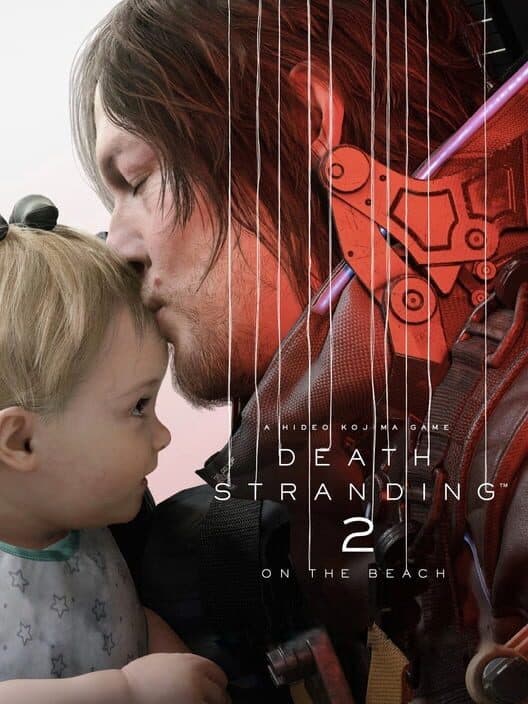
Death Stranding 2: On The Beach cover art

Death Stranding 2: On The Beach

Sony Interactive Entertainment • 2025 • PlayStation 5

Approachable but deepGreat solo experienceClear progression

Is Death Stranding 2: On The Beach Worth It?

Death Stranding 2 is worth it if you crave a slow, atmospheric game that lets you sink into a strange world and sit with big feelings. It’s a long, deliberate journey built around planning deliveries, crossing hostile but beautiful landscapes, and slowly knitting scattered people back together. In exchange for your patience, you get a striking audiovisual experience, a genuinely unusual core loop, and a dense, emotional story that sticks with you. You’ll need to tolerate long walks, long cutscenes, and a learning period where systems feel overwhelming. If you’ve enjoyed Kojima’s previous work, liked or were intrigued by the first Death Stranding, or want a single‑player epic that’s more contemplative than combat‑heavy, it’s easy to recommend at full price. If you mainly value fast action, co‑op, or very snappy pacing, you might bounce off the repetition and should probably wait for a sale or watch more extended gameplay first. It’s a bold, specific flavor, not a crowd‑pleasing blockbuster in disguise.

What is Death Stranding 2: On The Beach like?

What does Death Stranding 2: On The Beach demand from you?

Commitment

HIGH

Commitment

A long, story-heavy journey best enjoyed in 60–90 minute chunks, flexible about pausing but happiest if you play most weeks until credits.

HIGH

This is a big, slow meal of a game. Finishing the main story with a healthy amount of side deliveries will likely take 35–50 hours, which for a busy adult usually means a month or two of regular play. The structure actually suits weeknight sessions fairly well: most deliveries and episode beats fit neatly into 60–90 minute windows, and you can pause almost anywhere and save in most outdoor areas or safe rooms. The main trap is near the end, where an unmarked chain of missions and long cutscenes can easily swallow several evenings if you start it at the wrong time. Stepping away for a couple weeks is possible, but you’ll need a short mental warm‑up to remember your current orders, routes, and loadouts. Everything is fully solo, so there’s no pressure to coordinate with friends or raid schedules. If you can give it steady, modest time rather than extremely fragmented play, it respects your life reasonably well for such a long, cinematic experience.

Tips

  • Try to keep a simple rule of thumb like “one or two deliveries per night” so sessions feel complete without stretching too long.
  • Avoid starting the late-game finale stretch unless you know you’ll have a few solid evenings available over the next week or two.
  • If you’ve been away for a while, spend your first session just re-reading orders, walking a short route, and re-familiarizing yourself with your tools.

Focus

MODERATE

Focus

Calm but mentally busy deliveries where you’re quietly planning routes and watching the terrain, with occasional tense stretches that need your full attention on the screen.

MODERATE

Playing this game feels a bit like doing a long, careful hike with a to‑do list in your head. You’re often planning a route, checking the map, thinking about weather and slopes, and deciding which tools to bring. None of this is frantic, but it does nudge you to stay mentally present rather than zoning out completely. During dangerous sections—BT zones, mule camps, rough cliffs—you really do need to keep your eyes on the screen so you don’t trip, drown your cargo, or get ambushed. In safer stretches you can relax slightly, enjoy the music, and even glance at your phone, but it’s not the kind of game you truly “second‑screen.” The overall feel is thoughtful rather than twitchy: your brain is engaged in quiet logistics and navigation instead of fast reactions. If you like gentle problem‑solving and don’t mind reading tooltips or studying the map, this style of attention can be pleasantly absorbing after a workday.

Tips

  • Reserve your more complex, hazard-heavy deliveries for evenings when you feel mentally fresh rather than trying them at the very end of a draining day.
  • On low-energy nights, pick short, well-marked orders and rely heavily on community-built roads and ziplines to reduce how much you need to plan.
  • Make a habit of checking the map and weather before leaving a hub, so you think once up front instead of constantly pausing mid-journey.

Mastery

MODERATE

Mastery

Takes a few evenings to click, then steadily rewards better planning and structure networks with smoother, almost relaxing delivery runs.

MODERATE

This isn’t hard to survive, but it does take some time to really understand. Early on you’re juggling a lot: cargo balance, stamina, terrain, BT stealth, vehicles, facility connections, and APAS upgrades. Expect your first few sessions to feel slightly clumsy as you learn what each tool does and how the systems fit together. The good news is that once you get over that hump, the game becomes far more satisfying rather than more complicated. Every bit of knowledge you gain—where to place a ladder, how to chain ziplines, when to build roads—pays off in smoother routes and fewer panicked scrambles. Mastery here is less about perfect execution and more about smart preparation and smart infrastructure. You don’t need to be a mechanical wizard, but you’ll get more back the more willing you are to experiment, fail a little, and refine your approach. For a busy adult, that means a modest upfront learning investment with a long tail of deliveries that feel better and better.

Tips

  • Spend your first few sessions experimenting with ladders, anchors, and vehicles without worrying about high delivery ranks or perfect cargo condition.
  • Watch how other players place structures and shamelessly copy clever setups; it’s a shortcut to learning what works in tricky terrain.
  • When a route feels miserable, treat it as a signal to rethink your tools or lay more permanent infrastructure, not a sign you’re simply bad at the game.

Intensity

MODERATE

Intensity

Emotionally heavy and sometimes eerie, but most playtime is calm and meditative with only short bursts of real tension or pressure.

MODERATE

Despite the apocalypse and horror creatures, this isn’t a nonstop adrenaline ride. Most of your time is spent in a quiet, almost soothing rhythm: walking or driving through beautiful, lonely spaces while music plays and the weather rolls in. That calm can suddenly tighten into real tension during BT encounters, storms, or boss fights, where you’re trying not to lose precious cargo or get dragged under. Even then, on Normal difficulty the game rarely feels brutally punishing; it’s more about unease and suspense than white‑knuckle panic. Emotionally, the story can be intense in a different way: it digs into death, grief, and parenthood with some heavy scenes and stark imagery. So your heart rate may not spike every session, but the themes can linger with you. Overall, expect a blend of low-key, contemplative stretches with occasional spikes of both fear and sadness, rather than constant stress. It’s better for nights when you can handle a bit of emotional weight.

Tips

  • If horror sections spike your anxiety, play with lights on, volume a bit lower, and lean on tools or structures that let you bypass direct encounters.
  • When you’re emotionally drained, focus on simple side deliveries and infrastructure building instead of pushing the main story forward.
  • Drop to an easier difficulty if tension around losing cargo stops feeling exciting and starts feeling like pure dread or frustration.

Frequently Asked Questions

You Might Also Like

Games with a similar rhythm and feel, even if they look different

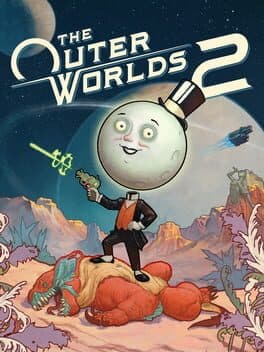
The Outer Worlds 2 game cover art
Approachable but deepClear progression

The Outer Worlds 2

Commitment
MODERATE
Focus
MODERATE
Mastery
MODERATE
Intensity
MODERATE
Final Fantasy VII Rebirth game cover art
Great solo experienceClear progression

Final Fantasy VII Rebirth

Commitment
MODERATE
Focus
MODERATE
Mastery
MODERATE
Intensity
MODERATE
Ghost of Yotei game cover art
Approachable but deepClear progression

Ghost of Yotei

Commitment
MODERATE
Focus
MODERATE
Mastery
MODERATE
Intensity
MODERATE
Mass Effect Legendary Edition game cover art
Great solo experienceStory-driven

Mass Effect Legendary Edition

Commitment
HIGH
Focus
MODERATE
Mastery
LOW
Intensity
MODERATE
Tainted Grail: The Fall of Avalon game cover art
Great solo experienceStory-driven

Tainted Grail: The Fall of Avalon

Commitment
HIGH
Focus
HIGH
Mastery
MODERATE
Intensity
MODERATE
Grand Theft Auto VI game cover art
Clear progressionStory-driven

Grand Theft Auto VI

Commitment
MODERATE
Focus
MODERATE
Mastery
LOW
Intensity
MODERATE
← Back to Home