Sony Computer Entertainment • 2015 • PlayStation 4
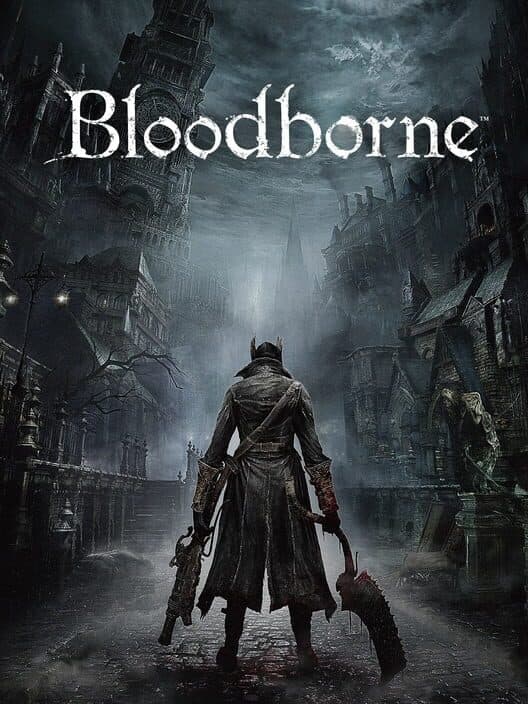
Bloodborne
Sony Computer Entertainment • 2015 • PlayStation 4
Is Bloodborne Worth It?
Bloodborne is absolutely worth it if you want intense, hard-won satisfaction instead of a relaxing night in. What makes it special is how tightly its combat, world design, and horror mood work together. The trick weapons feel amazing, the city is unforgettable, and few games match the rush of finally beating a boss or unlocking a shortcut that changes everything. The catch is that it asks a lot from you. The opening hours are rough, the story is cryptic, the game never truly pauses, and 30 fps performance still feels dated. Buy at full price if you already know you enjoy tough action games, FromSoftware-style discovery, or horror worlds that reward patience. Wait for a sale if you're curious but unsure about the stress, limited guidance, or technical rough edges. Skip it if you need a calm game, frequent interruption support, or clear step-by-step direction. For the right player, Bloodborne is one of the most memorable games on PlayStation. For the wrong player, it can feel hostile long before it feels brilliant.
What is Bloodborne like?
Opinions of Bloodborne
What Players Love
- Players Love
Aggressive combat and trick weapons feel unlike anything else
Players love the fast, offense-first rhythm. The rally system, firearm parries, and transforming weapons make even routine fights feel sharp, risky, and personal.
- Players Love
Atmosphere and horror art direction remain unforgettable for years
The city's Gothic look, creature design, audio, and steady dread are praised constantly. Even players with complaints often call the mood and art direction unmatched.
- Players Love
Exploration rewards you with shortcuts, secrets, and lore
Unlocking shortcuts, finding hidden paths, and piecing story clues together gives exploration real payoff. Many players remember the world layout as clearly as the bosses.
Common Concerns
- Common Concern
30 fps performance still bothers many players on PS4
Fans still call out uneven frame pacing and the locked 30 fps presentation. The game remains playable, but the technical roughness stands out more with age.
- Common Concern
Harsh opening hours can push new players away
Many newcomers bounce off the first hours. Sparse tutorials, early difficulty, and needing to restock healing items after repeated deaths can make learning feel punishing.
Divisive Aspects
- Divisive
Cryptic storytelling feels brilliant or needlessly obscure to some
Some players love filling in the gaps through item text and environmental clues. Others feel too much important story and quest logic stays hidden without a guide.
What does Bloodborne demand from you?
Time
MODERATETime
Bloodborne fits planned weeknight sessions better than scattered free minutes, asking for steady play over several weeks rather than endless daily grinding.
Focus
HIGHFocus
You need your eyes and brain switched on almost constantly, because Bloodborne mixes fast reactions, route memory, and split-second judgment in nearly every unsafe area.
Challenge
MODERATEChallenge
The opening is rough and the game explains little, yet repeated attempts steadily turn confusion into confidence if you enjoy learning by doing.
Intensity
VERY HIGHIntensity
This is oppressive, heart-racing play where dread and failure matter, but the release after a clean boss attempt or shortcut unlock is part of the appeal.
Frequently Asked Questions
You Might Also Like
Games with a similar rhythm and feel, even if they look different