Sloclap • 2025 • Xbox Series X|S, PC (Microsoft Windows), PlayStation 5
Rematch
Sloclap • 2025 • Xbox Series X|S, PC (Microsoft Windows), PlayStation 5
Is Rematch Worth It?
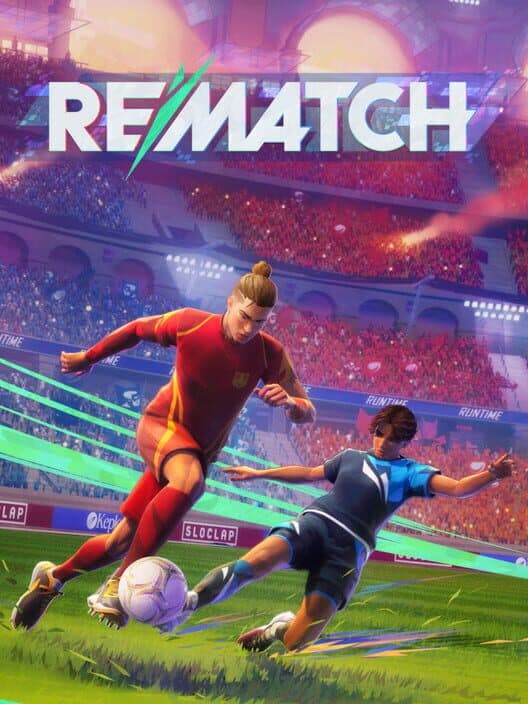
Yes, Rematch is worth it if you want short, high-energy competition and you like the idea of controlling one player instead of managing a whole team. Its big hook is the behind-the-back view. Good matches feel personal, fast, and surprisingly physical, and the best goals come from smart passing and positioning rather than canned animations. It does not ask for huge rules knowledge or endless setup, but it does ask for attention. Once a match starts, you need to stay locked in, and solo queue can be frustrating when teammates ignore spacing or chase the ball. Buy at full price if you enjoy skill-based sports games, play with a friend or two, and want something that fits into 30 to 90 minute nights. Wait for a sale if you are curious but expect to play mostly alone, because teammate variance is the biggest risk. Skip it if you want offline play, a season mode, or a calm unwind game.
What is Rematch like?
Opinions of Rematch
What Players Love
- Players Love
Third-person view makes every touch feel personal and immediate
Players often say the behind-the-back camera is the hook. Passing, dribbling, and shooting feel more physical and readable than in broader team-control football games.
- Players Love
Team passing and rotation create the biggest highs
The best matches come when spacing clicks and quick passes lead to clean chances. That shared rhythm is the main source of memorable goals and repeat sessions.
Common Concerns
- Common Concern
Solo queue can swing on one teammate mistake
Because teams are small, one player chasing the ball or missing rotations can reshape the whole match. Losses can feel social and chaotic rather than purely earned.
- Common Concern
Early matches can feel rough for newcomers at first
The goal is simple, but knowing when to hold shape, pass early, or stop pressing takes time. New players may lose confidence before the team game starts to click.
Divisive Aspects
- Divisive
Arcade pace splits players expecting a full sim
Some enjoy the stripped-down rules and instant action. Others come wanting deeper football-sim structure and see that same simplicity as missing texture.
What does Rematch demand from you?
Time
LOWTime
It fits neatly into short evening windows between matches, but once the whistle blows you are locked in until the game ends.
Focus
HIGHFocus
Short matches feel like controlled chaos, asking you to read space, teammates, and the ball almost every second with very little room to drift.
Challenge
MODERATEChallenge
You will understand the goal right away, then spend several evenings learning the less obvious parts like spacing, rotation, and when not to force the play.
Intensity
HIGHIntensity
Close matches hit with fast bursts of adrenaline, where one turnover can flip the mood instantly, but the sting rarely lasts beyond the final whistle.
Frequently Asked Questions
You Might Also Like
Games with a similar rhythm and feel, even if they look different