hello@slated.gg
Powered by IGDB•Privacy•Terms

© 2026 Slated.gg

Slated.gg
Popular GamesAbout

Baby Steps

Devolver Digital • 2025 • PC (Microsoft Windows), PlayStation 5
Is Baby Steps Worth It?

Baby Steps is worth it if you enjoy games that turn failure into both the joke and the lesson. At its low asking price, it's an easy full-price buy for anyone who likes Getting Over It style friction, physics slapstick, or strange sad-funny stories. What makes it special is how fast the bit becomes real: placing each foot turns into a tense, tactile skill, and the mountain keeps rewarding curiosity with odd sights, silly detours, and more heart than you'd expect. The catch is just as real. One bad slip can cost several minutes, the route is often unclear, and the humor is proudly crude. If that sounds intriguing but risky, wait for a sale and treat it as a short, intense experiment. If you want relaxed wandering, clear directions, or something safe to play around kids, skip it. For the right player, though, this is one of the funniest and most satisfying small games of the year.

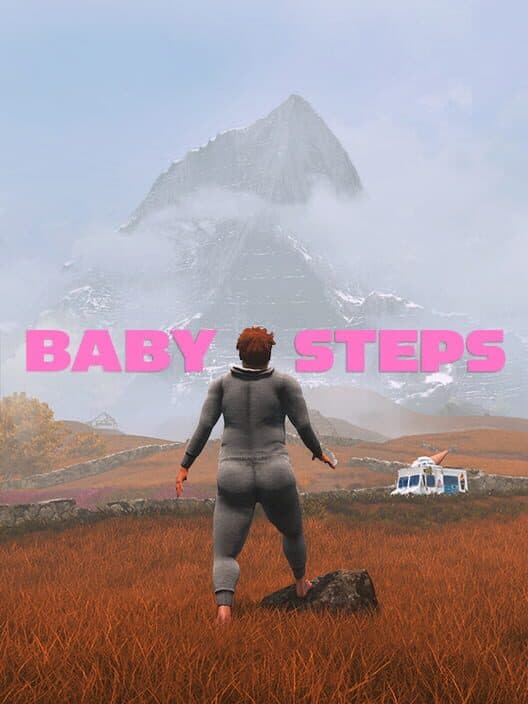
Baby Steps cover art

Baby Steps

Devolver Digital • 2025 • PC (Microsoft Windows), PlayStation 5

Is Baby Steps Worth It?

Baby Steps is worth it if you enjoy games that turn failure into both the joke and the lesson. At its low asking price, it's an easy full-price buy for anyone who likes Getting Over It style friction, physics slapstick, or strange sad-funny stories. What makes it special is how fast the bit becomes real: placing each foot turns into a tense, tactile skill, and the mountain keeps rewarding curiosity with odd sights, silly detours, and more heart than you'd expect. The catch is just as real. One bad slip can cost several minutes, the route is often unclear, and the humor is proudly crude. If that sounds intriguing but risky, wait for a sale and treat it as a short, intense experiment. If you want relaxed wandering, clear directions, or something safe to play around kids, skip it. For the right player, though, this is one of the funniest and most satisfying small games of the year.

What is Baby Steps like?

Opinions of Baby Steps

What Players Love

Common Concerns

Divisive Aspects

Players Love

Awkward walking turns into real skill and payoff

The most common praise is the jump from helpless flailing to deliberate control. Once movement clicks, even a short clean climb feels truly earned and memorable.

Common Concern

Long falls and runbacks can wear down the joke

A single mistake can erase several minutes, forcing slow re-climbs that test patience. For many players, this is the line between hilarious tension and pure tedium.

Divisive

Its all-in crude humor either lands or doesn't

The game commits hard to crude jokes, nudity, and mean little surprises. Some players find that fearless and funny, while others bounce off the tone almost immediately.

Players Love

Weird discoveries and surprising heart keep you climbing

Players love that the mountain keeps paying off curiosity with odd side scenes, strange characters, and a story that lands with more warmth than the joke setup suggests.

Common Concern

Unclear routes and camera angles can feel unfair

With no map or markers, it can be hard to tell whether a path is tricky or simply wrong. Camera trouble sometimes adds to that feeling of avoidable frustration.

Players Love

Awkward walking turns into real skill and payoff

The most common praise is the jump from helpless flailing to deliberate control. Once movement clicks, even a short clean climb feels truly earned and memorable.

Players Love

Weird discoveries and surprising heart keep you climbing

Players love that the mountain keeps paying off curiosity with odd side scenes, strange characters, and a story that lands with more warmth than the joke setup suggests.

Common Concern

Long falls and runbacks can wear down the joke

A single mistake can erase several minutes, forcing slow re-climbs that test patience. For many players, this is the line between hilarious tension and pure tedium.

Common Concern

Unclear routes and camera angles can feel unfair

With no map or markers, it can be hard to tell whether a path is tricky or simply wrong. Camera trouble sometimes adds to that feeling of avoidable frustration.

Divisive

Its all-in crude humor either lands or doesn't

The game commits hard to crude jokes, nudity, and mean little surprises. Some players find that fearless and funny, while others bounce off the tone almost immediately.

What does Baby Steps demand from you?

Time

MODERATE

Time

The climb is short enough for a week or two, easy to pause mid-session, and annoying to resume after a few days away.

MODERATE

Baby Steps is short enough to finish in about a week or two of normal play, but it doesn't always feel light. Most people will reach credits somewhere around 9 to 15 hours, with extra time going to side routes, hats, secret scenes, or simple stubbornness. The good news is that it respects real-life interruptions well. You can pause freely, it autosaves often, and camps or cleared trouble spots make decent stopping points. The catch is that stopping and returning are two different things. Coming back after a few days often means spending several minutes getting Nate's rhythm back and remembering which ugly path you were testing. There are no teammates to schedule around and no daily chores pushing you to log in, so the commitment is entirely personal. That makes it flexible on the calendar, but not always frictionless in the moment. This works best if you can treat a session as 'one tough section and out' rather than demanding constant big wins. For solo players with limited time, it's manageable. For people who hate reacclimation and vague navigation, even a short campaign can feel heavier than its runtime suggests.

Tips

  • Use camps as natural stopping points, but don't fear mid-climb exits; autosave is frequent even if it's not rollback-friendly.
  • After a few days away, spend five minutes on easy ground before pushing higher into hard terrain.
  • Keep expectations small: clearing one troublesome section per session feels better than forcing huge progress.

Focus

HIGH

Focus

You need your eyes and hands on the game almost constantly, but the thinking is mostly about balance, angles, and route reading, not lightning reflexes.

HIGH

Baby Steps asks for near-full attention whenever Nate is moving. This isn't the kind of hike you half-play while checking your phone. A gentle stretch can feel almost meditative, but the moment the ground tilts, narrows, or gets slick, you're reading angles, judging weight transfer, and deciding whether the next step should be tiny, bold, or abandoned entirely. The thinking is more spatial than speedy. You're not reacting to enemy attacks or mashing through button strings. You're studying terrain, planning body position, and learning how momentum behaves. That demand pays off in a very physical kind of satisfaction. A section that looked impossible slowly becomes readable, then manageable, then weirdly graceful. The game turns walking into a puzzle of balance and commitment, and that makes every clean climb feel personal. If you like games that pull you fully into the present moment, this works beautifully. If you need something that tolerates second-screen play, podcasts, or frequent distracted glances, it will fight you almost immediately.

Tips

  • Play when you can give it full screen attention; even gentle slopes punish quick phone checks.
  • Use the camera before each tricky section and scan for flatter backup landings, not just the direct line upward.
  • Treat flat stretches as reset moments to relax your hands and re-center before the next bad slope.

Challenge

MODERATE

Challenge

The controls are easy to understand and surprisingly hard to internalize, turning simple walking into a satisfying skill that improves a little every session.

MODERATE

The basic idea is simple in seconds: move one foot, then the other. Actually becoming reliable takes much longer. Baby Steps asks you to build a strange little body memory for balance, recovery, slope handling, and route judgment. Early on, even flat ground can feel absurd. A few sessions later, you'll notice that surfaces you once feared are now manageable, and that change is the whole magic trick. What the game gives back is visible improvement. You don't just unlock stronger gear or bigger numbers. You become better at reading the mountain and controlling Nate. That makes progress feel earned in a way few short games manage. The learning process is not especially kind, though. It teaches through repetition, failed experiments, and long re-climbs more than through clear instruction. If you enjoy the Getting Over It style of 'I hated that, but I learned something,' you'll probably love the arc. If you want smooth onboarding, generous retries, and clear explanations, the first few hours may feel rougher than the final result is worth.

Tips

  • Practice tiny corrective steps on safe ground before hard slopes; recovery skill matters more than charging forward.
  • Watch Nate's weight shift before lifting the next foot; balance control is the real tutorial.
  • If a route looks absurd, scout sideways first; many impossible climbs hide a gentler angle nearby.

Intensity

HIGH

Intensity

This is funny frustration, not horror panic: slips sting, progress loss raises the pulse, and the joke works best if you can laugh while seething.

HIGH

Baby Steps delivers funny frustration more than pure panic. There are no monsters chasing you and no combat spikes, but one bad foot placement can send Nate sliding far below where you wanted to be. That creates real pressure, especially when you've spent several minutes inching through a nasty section. The stress comes from loss, embarrassment, and the awful feeling of almost making it, not from violence or horror. What you get back is a very specific emotional rhythm: tension, collapse, disbelief, then laughter. The game's weird side scenes, silly sounds, and surprisingly sincere story help keep the mood from turning completely sour, but they don't erase the sting of a bad fall. That's why this lands best when you're in the mood for a challenge that can annoy you on purpose. Played at the right time, the setbacks make the breakthroughs hit harder and the comedy land better. Played when you're tired, rushed, or already low on patience, the same design can feel mean. Think of it as a stressful comedy with a warm center, not a relaxing walk in pretty scenery.

Tips

  • End sessions at a camp or after one clean breakthrough; that's usually the sweet spot before frustration turns sour.
  • Skip optional hats or object detours when you're already tilted; the main path is demanding enough.
  • Pause after a brutal slide instead of instantly retrying; thirty calm seconds often saves five angry minutes.

Frequently Asked Questions

You Might Also Like

Games with a similar rhythm and feel, even if they look different
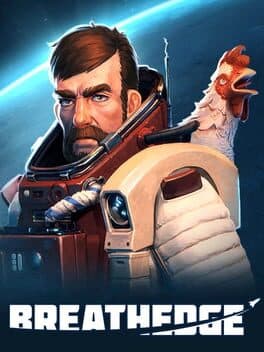
Breathedge game cover art

Breathedge

Time
MODERATE
Focus
MODERATE
Challenge
MODERATE
Intensity
LOW
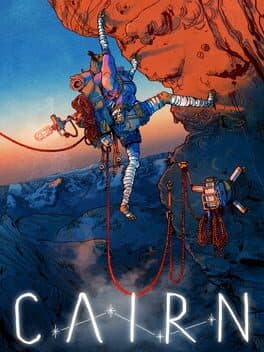
Cairn game cover art

Cairn

Time
MODERATE
Focus
HIGH
Challenge
HIGH
Intensity
HIGH
Grand Theft Auto III game cover art

Grand Theft Auto III

Time
LOW
Focus
MODERATE
Challenge
LOW
Intensity
MODERATE
Grand Theft Auto game cover art

Grand Theft Auto

Time
LOW
Focus
MODERATE
Challenge
MODERATE
Intensity
MODERATE
Grand Theft Auto: Vice City game cover art

Grand Theft Auto: Vice City

Time
MODERATE
Focus
MODERATE
Challenge
LOW
Intensity
MODERATE
Kingdom Come: Deliverance II game cover art

Kingdom Come: Deliverance II

Time
HIGH
Focus
HIGH
Challenge
MODERATE
Intensity
MODERATE
← Back to Home