hello@slated.gg
Powered by IGDB•Privacy•Terms

© 2026 Slated.gg

Slated.gg
Popular GamesAbout

Astroneer

System Era Softworks • 2019 • PlayStation 4, PC (Microsoft Windows), PlayStation 5, Xbox One, Nintendo Switch
Satisfying to completeRelaxing & low-pressureGreat for winding down

Is Astroneer Worth It?

Astroneer is worth it if you want a calm building-and-exploration game that still gives you real payoff. Its best trick is how good it feels to shape terrain by hand, lay out a messy little outpost, and slowly turn it into a smooth interplanetary machine. The game asks for patience more than skill. You will spend nights gathering materials, untangling storage, and deciding which unlock or planet trip matters next. It rarely feels harsh, but it can feel fiddly, and the loose structure means you need to enjoy setting your own goals. Buy at full price if relaxing exploration, base building, and light automation already sound like your thing, especially if you want something cozy to play solo or with a friend. Wait for a sale if you like these ideas but tend to bounce off inventory micromanagement or self-directed sandboxes. Skip it if you need strong story momentum, exciting combat, or very clear mission-by-mission structure.

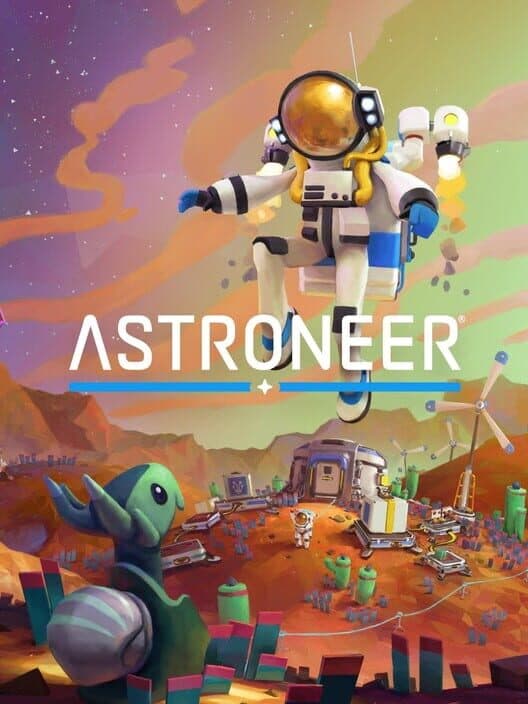
Astroneer cover art

Astroneer

System Era Softworks • 2019 • PlayStation 4, PC (Microsoft Windows), PlayStation 5, Xbox One, Nintendo Switch

Satisfying to completeRelaxing & low-pressureGreat for winding down

Is Astroneer Worth It?

Astroneer is worth it if you want a calm building-and-exploration game that still gives you real payoff. Its best trick is how good it feels to shape terrain by hand, lay out a messy little outpost, and slowly turn it into a smooth interplanetary machine. The game asks for patience more than skill. You will spend nights gathering materials, untangling storage, and deciding which unlock or planet trip matters next. It rarely feels harsh, but it can feel fiddly, and the loose structure means you need to enjoy setting your own goals. Buy at full price if relaxing exploration, base building, and light automation already sound like your thing, especially if you want something cozy to play solo or with a friend. Wait for a sale if you like these ideas but tend to bounce off inventory micromanagement or self-directed sandboxes. Skip it if you need strong story momentum, exciting combat, or very clear mission-by-mission structure.

What is Astroneer like?

Opinions of Astroneer

What Players Love

Common Concerns

Divisive Aspects

Players Love

Terrain sculpting makes exploration feel tactile and relaxing

Players often say digging, flattening, and laying tether lines gives exploration a hands-on feel. Colorful caves and planets stay relaxing even during resource hunts.

Common Concern

Inventory management can make routine chores feel fiddly

Backpack slots, item snapping, and moving resources between platforms can make simple jobs take longer than expected. Even fans often call the handling awkward.

Divisive

Relaxed pace feels soothing to some and aimless to others

For some players, the lack of combat and loose goals is the whole charm. Others miss stronger direction once the early wonder wears off and routines settle in.

Players Love

Base building and automation create satisfying long-term payoff

A big part of the appeal is watching a fragile camp turn into a smooth operation. New printers, vehicles, and automation reduce chores in deeply satisfying ways.

Common Concern

Large saves and co-op can run into technical issues

Frame drops, longer save times, bugs, and co-op desync come up most often on bigger, more developed worlds. Problems are not universal, but they are a real risk.

Players Love

Bright art and co-op keep the mood cozy

The bright low-poly look, soft soundtrack, and low-pressure teamwork make it easy to share with friends. Co-op stays collaborative instead of becoming a stressful scramble.

Players Love

Terrain sculpting makes exploration feel tactile and relaxing

Players often say digging, flattening, and laying tether lines gives exploration a hands-on feel. Colorful caves and planets stay relaxing even during resource hunts.

Players Love

Base building and automation create satisfying long-term payoff

A big part of the appeal is watching a fragile camp turn into a smooth operation. New printers, vehicles, and automation reduce chores in deeply satisfying ways.

Players Love

Bright art and co-op keep the mood cozy

The bright low-poly look, soft soundtrack, and low-pressure teamwork make it easy to share with friends. Co-op stays collaborative instead of becoming a stressful scramble.

Common Concern

Inventory management can make routine chores feel fiddly

Backpack slots, item snapping, and moving resources between platforms can make simple jobs take longer than expected. Even fans often call the handling awkward.

Common Concern

Large saves and co-op can run into technical issues

Frame drops, longer save times, bugs, and co-op desync come up most often on bigger, more developed worlds. Problems are not universal, but they are a real risk.

Divisive

Relaxed pace feels soothing to some and aimless to others

For some players, the lack of combat and loose goals is the whole charm. Others miss stronger direction once the early wonder wears off and routines settle in.

What does Astroneer demand from you?

Time

MODERATE

Time

It works in weeknight chunks, but self-set projects can stretch unexpectedly, and returning after a break means re-learning your own handmade base.

MODERATE

Astroneer fits well into 45 to 90 minute sessions, but it is better at creating 'one more task' momentum than clean enforced stopping points. The game gives you enough short-term goals to make weeknight play feel productive: print a machine, gather one missing resource, finish a rover, or set up a shuttle trip. The broader journey is still a real project, though. Reaching a satisfying endpoint usually takes around 25 to 40 hours, and returning after a week away often means spending a few minutes remembering what each platform, storage rack, and half-finished plan was for. Solo play is the flexible sweet spot. You can pause, move at your own pace, and stop after a small win, even if the autosave system is not true save-anywhere. Co-op is fun, but it adds the usual scheduling and session-flow messiness. The game gives decent guidance through missions and the catalog, yet it still expects you to choose your own priorities. In exchange, even short sessions often end with something built, unlocked, or stabilized.

Tips

  • Stop after a concrete win like placing a machine or returning from a resource run; open-ended cave dives are what secretly extend sessions.
  • Leave a resource item or packaged machine near your shelter before quitting; that visual reminder cuts re-entry time next session.
  • Solo is the best fit for unpredictable evenings; co-op is fun, but shared progress and technical hiccups make it harder to start and stop cleanly.

Focus

MODERATE

Focus

Most sessions feel like calm problem-solving: scanning cave routes, managing oxygen and backpack space, and deciding what to build next without fast hand skills.

MODERATE

Astroneer asks for steady, low-speed attention rather than locked-in combat focus. In a normal session, you are usually juggling oxygen range, backpack space, power, vehicle position, and the next build step. That sounds busy, but the pace is gentle. You usually have time to think, choose a route, and fix a small mistake before it becomes a disaster. The main mental work is logistics: what to unlock first, which materials to bring, how far to push into a cave, and where a new machine should sit so your base stays usable. Space matters too. Bad tether lines, cramped platform layouts, and awkward cave angles create friction fast. The good news is that the game rarely asks for fast hands. If you like calm planning and visible problem-solving, that effort turns into a satisfying rhythm of small wins. If you want something to play while half-watching a show, base chores may fit, but expeditions still demand enough attention that distraction can get you stranded.

Tips

  • End each session by parking at a shelter or rover and leaving one obvious next task, so tomorrow's restart is painless.
  • Carry only the tools for your current trip; a lighter backpack makes oxygen, power, and pickup choices much easier to manage.
  • Use dedicated platforms for smelting, storage, and printing early, because cluttered bases are the main reason short sessions turn confusing.

Challenge

MODERATE

Challenge

You can understand the basics quickly, but the deeper fun comes from learning cleaner base layouts, smarter power setups, and smoother trips between planets.

MODERATE

Astroneer is approachable at the start, then slowly widens rather than hitting you with a wall. Basic movement, mining, tether use, and simple printing make sense within the first few hours, especially because missions now point you toward early tools and unlocks. The trickier part comes later, when the game starts asking you to connect systems cleanly. You need to understand how power supply affects your tools, how storage choices shape efficiency, which resources live on which planets, and when a new machine actually solves your current bottleneck. That learning feels closer to Minecraft or No Man's Sky than to a hard survival sim or factory game. Mistakes are usually recoverable, so the game teaches through inconvenience more than punishment. You get better by making messy bases, realizing why they are messy, and building cleaner on the next platform or next planet. If you enjoy gradual competence and the pleasure of smoothing out your own process, Astroneer gives you a steady arc.

Tips

  • Follow the mission chain through the early hours; it unlocks useful machines in a sensible order and teaches the basic loop.
  • Prioritize mobility and power upgrades before fancy projects, because rovers and stable energy smooth out almost every later problem.
  • When a setup feels clumsy, rebuild it instead of tolerating it; Astroneer teaches best through cleaner layouts, not brute-force persistence.

Intensity

LOW

Intensity

The mood is mostly curious and cozy, with short bursts of panic when oxygen runs low or a cave dive goes farther than planned.

LOW

The emotional tone is mostly curious, cozy, and lightly adventurous. Astroneer is not built around constant danger, and it almost never tries to overwhelm you with pressure. Most of the time, the stakes come from simple survival needs: oxygen running low, a vehicle getting stuck, or a cave trip turning longer than expected. Those moments can create quick bursts of panic, but they pass fast. Failure usually costs time and a recovery run, not a huge rollback or a brutal skill check. That makes the stress feel more like 'whoops, I need to fix this' than 'I ruined my night.' The payoff for that gentler tone is that progress stays pleasant. You can spend a session rearranging platforms, building a rover, or setting up a power line and still feel engaged without feeling drained. It is a great fit for evenings when you want a little tension to make discovery exciting, but not enough pressure to crowd out the cozy part of building and exploring.

Tips

  • Print spare oxygen filters or carry extra resin before cave runs; small prep steps prevent most of the game's stressful moments.
  • Treat long expeditions as out-and-back trips instead of heroic pushes, especially on new planets where a recovery run can eat your whole night.
  • If a trip starts feeling messy, drop a beacon and head home early; the game rewards caution far more than stubborn overextension.

Frequently Asked Questions

You Might Also Like

Games with a similar rhythm and feel, even if they look different

Dinkum game cover art
Satisfying to completeRelaxing & low-pressure

Dinkum

Time
MODERATE
Focus
LOW
Challenge
LOW
Intensity
VERY LOW
No Man's Sky game cover art
Relaxing & low-pressureGreat for winding down

No Man's Sky

Time
MODERATE
Focus
MODERATE
Challenge
MODERATE
Intensity
LOW
Hytale game cover art
Relaxing & low-pressureGreat for winding down

Hytale

Time
MODERATE
Focus
MODERATE
Challenge
MODERATE
Intensity
LOW
Core Keeper game cover art
Satisfying to complete

Core Keeper

Time
MODERATE
Focus
MODERATE
Challenge
MODERATE
Intensity
LOW
Stardew Valley game cover art
Satisfying to completeRelaxing & low-pressure

Stardew Valley

Time
MODERATE
Focus
LOW
Challenge
LOW
Intensity
VERY LOW
Minecraft game cover art
Creative expressionLighthearted & fun

Minecraft

Time
MODERATE
Focus
MODERATE
Challenge
MODERATE
Intensity
LOW
← Back to Home