hello@slated.gg
Powered by IGDB•Privacy•Terms

© 2026 Slated.gg

Slated.gg
Popular GamesAboutDiscover Games
Outbound

Square Glade Games • 2026 • PC (Microsoft Windows), PlayStation 5, Xbox One, Nintendo Switch, Xbox Series X|S, Nintendo Switch 2

Relaxing & low-pressurePerfect for a weekendEasy to jump into
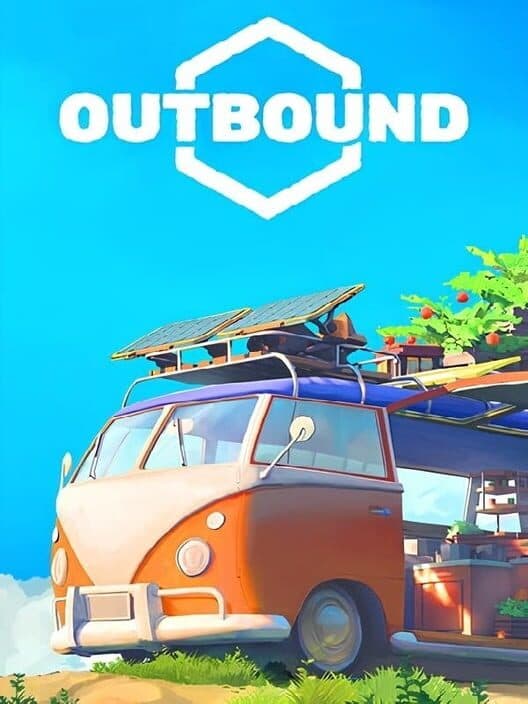
Outbound cover art

Outbound

Square Glade Games • 2026 • PC (Microsoft Windows), PlayStation 5, Xbox One, Nintendo Switch, Xbox Series X|S, Nintendo Switch 2

Relaxing & low-pressurePerfect for a weekendEasy to jump into

Is Outbound Worth It?

Yes, if the idea of building a cozy off-grid van sounds relaxing, Outbound is worth a look. Its best hook is simple and appealing: you slowly turn an empty vehicle into a self-sustaining little home, then carry that home through a bright, peaceful world. The game is at its best when you're decorating, improving your power setup, and watching small practical upgrades make each trip smoother. Who should buy at full price? People who love calm crafting, gentle exploration, and making a space feel personal. You'll likely get strong value if the home-on-wheels fantasy already sounds like your kind of comfort game. Who should wait for a sale? Anyone who likes cozy games but needs a bit more momentum. Slow travel, backtracking, and tight inventory are common complaints, and the low-stakes design can start to feel shallow once the novelty fades. Who should skip it? Players looking for danger, fast progression, strong story payoff, or big mechanical depth. Outbound is much better as a scenic weekday unwind than as a high-drama adventure.

What is Outbound like?

Opinions of Outbound

What Players Love

  • Players Love

    Beautiful scenery makes the whole road trip feel soothing

    Players consistently praise the colorful wilderness, soft lighting, and scenic drives. Even mixed impressions usually agree the world is a lovely place to unwind.

  • Players Love

    Building a cozy camper home is the real hook

    The standout fantasy is turning a bare van into a lived-in rolling home. Furniture, rooftop modules, paint, and décor make progress feel personal.

Common Concerns

  • Common Concern

    Slow driving and tight inventory can drag sessions down

    The most common complaint is friction from slow travel, limited backpack space, and repeated return trips for materials, which can make progress feel padded.

  • Common Concern

    Low stakes can feel calming or a little empty

    Many players love the gentle tone, but others say the lack of danger, strong story, or big surprises makes the loop lose steam after the early charm.

Divisive Aspects

  • Divisive

    The threat-free design is either perfect or too gentle

    For some, the no-danger setup is ideal after work. For others, that same softness removes the sense of adventure or payoff they wanted.

What does Outbound demand from you?

Time

MODERATE

Time

It fits weeknight play better than most crafting games, but the self-directed pace, auto-only saves, and soft goals mean you need to make your own stopping points.

MODERATE

Outbound asks for a medium-length relationship, then rewards you with a satisfying sense of ownership over time. A typical player can get the core fantasy in a few weeks of regular play, not in one weekend and not over a hundred-hour grind. The sweet spot is usually enough time to unlock stronger systems, reach later areas, and turn the van into a home that feels stable and personal. It works reasonably well in 60 to 90 minute sessions because the loop naturally breaks around parking, sleeping, finishing a station, or wrapping a resource run. The solo mode helps a lot too. You don't need a group schedule, and you can make steady progress on your own. The main caveat is structure. Goals are soft, so the game won't always create a dramatic stopping point for you. You often have to decide that tonight's build was enough. The other caution is real-life flexibility. Auto-only saving and limited pause support make it less interruption-friendly than its cozy tone suggests. Coming back after a week is manageable, but you'll spend a few minutes remembering what your van needed and where you planned to go next.

Tips

  • Quit after parking, sleeping, or placing one new workstation. Those moments are the cleanest breaks when you rely on auto-saving.
  • Before logging out, leave your van stocked and your next objective obvious so coming back in a week takes minutes, not guesswork.
  • Play solo if you need maximum flexibility. Co-op is fun, but it adds schedules and current reports of rough presentation.

Focus

LOW

Focus

This is steady, low-pressure brainwork: small planning, resource checks, and layout choices that keep you engaged without the tunnel vision or panic of action games.

LOW

Outbound asks for steady attention in short practical bursts, then pays you back with a calm, satisfying rhythm. Most sessions revolve around checking what your van needs, deciding which material or blueprint matters most, and making little efficiency calls about power, storage, food, and travel. That means you're thinking regularly, but rarely under pressure. It feels closer to keeping a tiny household running than solving a brutal survival puzzle. The good news is that the game rarely demands full-body focus. Once you're parked and doing camp chores, you can settle into a gentle groove. The catch is that it still isn't something you can fully half-watch. Driving, moving through rough terrain, and managing a tight inventory all work better when you're actually looking at the screen. If you drift too much, you'll mostly lose time rather than die, but that friction adds up. If you like making small, practical decisions and seeing your setup get smoother every session, the attention it asks for feels rewarding. If you want something you can fully zone out through, this is still a little too hands-on for that.

Tips

  • Start each session with one goal, like a tower or power upgrade, so the open-ended loop doesn't turn into aimless gathering.
  • Unload and sort your inventory before driving off. A tidy van cuts down on the most common friction in short sessions.
  • Do route planning while parked, not halfway through a resource run, so you spend less time backtracking.

Challenge

LOW

Challenge

You'll understand the basics quickly, then spend a few sessions learning how power, storage, blueprints, and travel fit together without ever feeling truly punished.

LOW

Outbound is easy to start and gently rewarding to learn. It asks for a few sessions of patience while the different systems click together, then pays you back with a smoother, more satisfying routine. Gathering and crafting are simple on their own. The real learning comes from seeing how everything connects: which upgrades solve your current pain point, how much storage changes the flow of a trip, when renewable power starts saving you time, and how to shape the van around the way you actually play. That makes it more involved than a pure cozy decoration game, but much less demanding than a harsher survival sandbox. The systems are readable, and the game explains enough to keep you moving. Where people stumble is in efficiency, not survival. Random blueprint order and occasional bottlenecks can leave you wondering what the smartest next step is, especially early on. Thankfully, mistakes are cheap. You can experiment, rebuild, and learn by doing because failure rarely wipes out progress. That keeps the learning process friendly, even when the pacing gets a little slow.

Tips

  • Prioritize storage and steady power before fancy decorations. Those upgrades smooth out almost every other system.
  • When progress stalls, solve the single bottleneck first, like tickets, inventory space, or one missing material, instead of multitasking three projects.
  • Treat your first van layout as temporary. Rebuilding after a few unlocks is normal and helps the systems make sense.

Intensity

VERY LOW

Intensity

Outbound stays gentle almost all the time, trading danger and drama for a calm unwind where setbacks waste minutes, not entire evenings.

VERY LOW

This is a very low-stress game by design. It asks you to tolerate mild inconvenience, then rewards you with a cozy sense of control and routine. There are no enemies hunting you, no big combat spikes, and very little that feels scary or overwhelming. Most of the tension comes from everyday friction: your bag is full, night is falling, the van is moving slowly, or the one material you need is back the way you came. That creates what most players would call good stress, not bad stress. You're nudged to stay organized and make smart little choices, but the game almost never punishes you hard for getting things wrong. Even failure is soft, which keeps the whole experience more soothing than exhausting. For many people, that's the point. After a long day, it feels welcoming instead of demanding. The flip side is that the low stakes can also make the experience feel thin if you need excitement to stay engaged. If you want adrenaline, surprise, or a strong sense of danger, the game may feel flat. If you want a soft landing at the end of the day, it fits beautifully.

Tips

  • Use nighttime for cooking, sorting, and decorating instead of forcing more exploration when visibility and efficiency drop.
  • If the slow pace starts feeling dull instead of relaxing, end the session after a completed build or repair rather than pushing through.
  • Adjust day and camera comfort settings early; small comfort tweaks matter more here because the game is about settling in.

Frequently Asked Questions

You Might Also Like

Games with a similar rhythm and feel, even if they look different
Explore more→
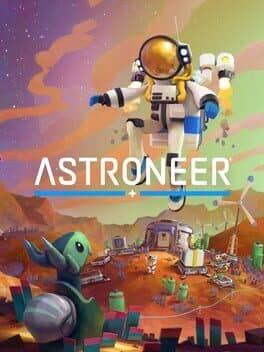
Astroneer game cover art
Relaxing & low-pressurePerfect for a weekend

Astroneer

Time
MODERATE
Focus
MODERATE
Challenge
MODERATE
Intensity
LOW
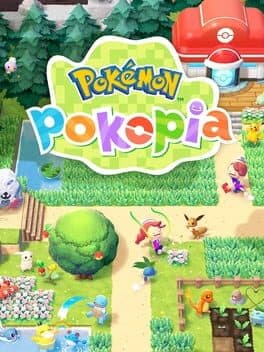
Pokémon Pokopia game cover art
Relaxing & low-pressureCreative expression

Pokémon Pokopia

Time
MODERATE
Focus
MODERATE
Challenge
MODERATE
Intensity
VERY LOW
Dinkum game cover art
Relaxing & low-pressureCreative expression

Dinkum

Time
MODERATE
Focus
LOW
Challenge
LOW
Intensity
VERY LOW
Stardew Valley game cover art
Relaxing & low-pressurePerfect for a weekend

Stardew Valley

Time
MODERATE
Focus
LOW
Challenge
LOW
Intensity
VERY LOW
Travellers Rest game cover art
Relaxing & low-pressurePerfect for a weekend

Travellers Rest

Time
MODERATE
Focus
LOW
Challenge
MODERATE
Intensity
VERY LOW
Tomodachi Life: Living the Dream game cover art
Relaxing & low-pressurePerfect for a weekend

Tomodachi Life: Living the Dream

Time
LOW
Focus
VERY LOW
Challenge
VERY LOW
Intensity
VERY LOW
← Back to Home