Sony Interactive Entertainment • 2024 • PlayStation 5
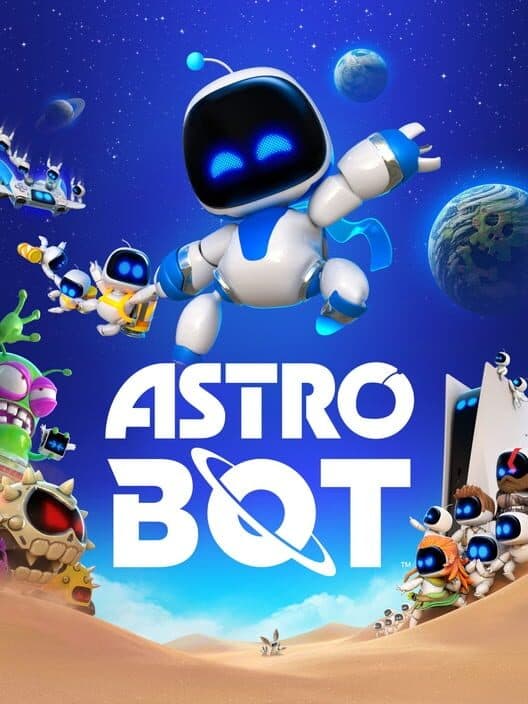
Joyful 3D platforming packed with collectibles.
Short, self-contained levels ideal for weeknights.
PlayStation nostalgia playground with low-pressure challenge.
Astro Bot is absolutely worth it if you enjoy polished 3D platformers and have any fondness for PlayStation’s history. It delivers a concentrated burst of creativity: almost every level introduces a new idea, power-up, or visual gag, then moves on before it wears out its welcome. With a main journey that lasts around 8–12 hours, it fits neatly into a couple of busy weeks instead of looming over your schedule for months. What it asks from you is modest: some basic coordination, attention during platforming, and a willingness to explore short stages for hidden Bots and puzzle pieces. In return, you get joyful setpieces, constant small rewards, and a hub that visibly fills with life as you progress. Buy at full price if you like Mario-style experiences, want something you can actually finish, and value quality over sheer length. If you mainly want long, complex RPGs or deep competitive systems, it’s a great sale pickup but may feel brief.

Sony Interactive Entertainment • 2024 • PlayStation 5
Joyful 3D platforming packed with collectibles.
Short, self-contained levels ideal for weeknights.
PlayStation nostalgia playground with low-pressure challenge.
Astro Bot is absolutely worth it if you enjoy polished 3D platformers and have any fondness for PlayStation’s history. It delivers a concentrated burst of creativity: almost every level introduces a new idea, power-up, or visual gag, then moves on before it wears out its welcome. With a main journey that lasts around 8–12 hours, it fits neatly into a couple of busy weeks instead of looming over your schedule for months. What it asks from you is modest: some basic coordination, attention during platforming, and a willingness to explore short stages for hidden Bots and puzzle pieces. In return, you get joyful setpieces, constant small rewards, and a hub that visibly fills with life as you progress. Buy at full price if you like Mario-style experiences, want something you can actually finish, and value quality over sheer length. If you mainly want long, complex RPGs or deep competitive systems, it’s a great sale pickup but may feel brief.
When you have about an hour after work and want something bright and focused, you can clear a couple of planets and watch your Crash Site playground grow.
On a weekend morning with kids around, you can pass the controller back and forth, enjoy the silly robots together, and feel totally safe leaving it on the living-room TV.
When you only have 20–30 minutes, you can hop in, beat a single level or a short challenge, grab a few Bots, and quit at a natural breakpoint.
Compact, story-focused adventure you can finish in a couple of weeks, built around bite-sized levels that fit easily into busy evenings.
Astro Bot respects a crowded calendar. The full main journey typically runs 8–12 hours, which for someone with 5–10 hours a week means you’ll see credits within a week or two. Each planet and challenge stage is short, so you can sit down, clear one or two, and stop at a clean point without feeling like you abandoned a huge story beat halfway through. The game pauses instantly and autosaves often, making it friendly to sudden interruptions from kids, partners, or work. Returning after time away is painless: the Crash Site hub and galaxy map clearly show what you’ve finished and what’s next. There’s no social obligation either—no raids to schedule, no group content to keep up with. You can pour extra time into mopping up collectibles or conquering the toughest stages if you want, but that’s dessert, not the main meal. The core experience is designed to be finished, enjoyed, and set down without guilt.
Upbeat platforming that needs steady attention and quick button presses, but rarely asks for complex planning or lots of mental juggling.
Playing Astro Bot feels mentally light but pleasantly engaging. During levels you’re watching for moving platforms, enemies, and little visual or audio hints that a hidden Bot might be nearby. You’re making frequent, small choices instead of a few huge ones: jump now or wait, follow that suspicious side path or stick to the obvious route. There are almost no menus, builds, or stats to manage, so your mind stays in the world rather than buried in systems. This means it’s a good fit after work when your brain isn’t up for deep strategy, but you still want to feel switched on. The game does, however, expect that you keep your eyes on the screen during active play; it’s not something to half-watch while scrolling your phone. Optional challenge stages ask for sharper focus, but they’re short and clearly labeled. Overall, it’s the kind of game that keeps you pleasantly locked in without leaving you mentally exhausted afterward.
Very quick to pick up, with a separate layer of optional, demanding stages if you enjoy pushing your platforming skills.
Astro Bot is easy to get into. Within a session or two you’ll have the basics down: jump, hover, punch, and use one-off gadgets the level hands you. The camera is friendly, the game teaches mechanics clearly, and early planets are tuned so that most players can succeed without much practice. If you just want to see the credits, you don’t need to become a platforming expert. There is, however, another layer for people who enjoy improving. Optional challenge stages and the final multi-part gauntlet expect tight control, good timing, and some persistence. As you get better, you’ll see yourself dying less, moving more smoothly, and clearing sections that once felt impossible. That progress feels genuinely rewarding, but it’s contained in clearly optional content. For a time-constrained adult, this structure is ideal: you can finish the main journey on comfort alone, then decide afterward whether the extra mastery loop is worth your limited gaming hours.
Mostly relaxed, cheerful play with occasional spikes when you tackle optional challenge stages or spend extra tries on a tricky jump sequence.
Emotionally, Astro Bot sits in a very friendly place. The default tone is bright, silly, and encouraging, with mistakes costing only a quick reset to a recent checkpoint. There’s no fear, no horror, and no big moral gut-punches—just lighthearted boss fights and goofy enemies. For most of the campaign your heart rate will stay pretty calm, even if you miss a few jumps. Intensity rises mainly when you dip into the optional challenge levels or the late-game gauntlet. These short stages can take multiple tries and may briefly spike frustration or adrenaline, especially if you’re chasing a clean run. But they’re clearly separated from the main planets, so you can always step away and return to gentler content. For a busy adult, this all adds up to a game that’s refreshing rather than draining. It’s far better suited to unwinding after work than to seeking out punishing, sweat-inducing difficulty. You’re more likely to be smiling than white-knuckling the controller.
Games with a similar rhythm and feel, even if they look different