Vampire Survivors

Poncle2022Xbox Series X|S, PlayStation 4, Linux, Android, PC (Microsoft Windows), iOS, PlayStation 5, Mac, Xbox One, Nintendo Switch
Tight 30-minute survival runs

Simple controls, wildly chaotic battles

Constant unlocks and power growth

Is Vampire Survivors Worth It?

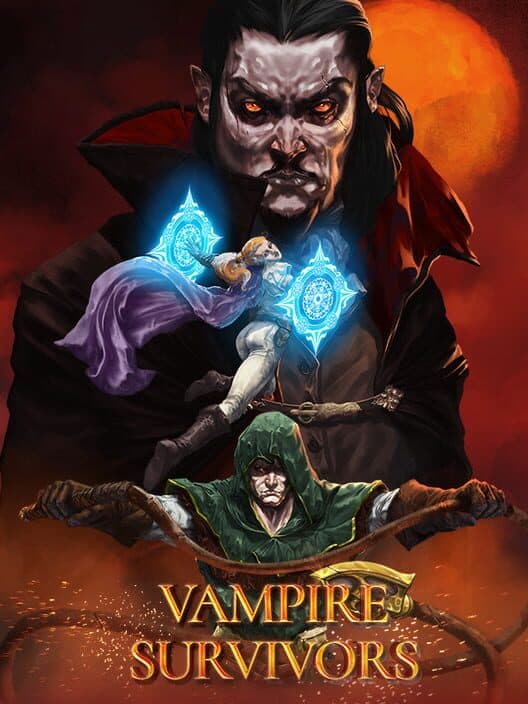
Vampire Survivors is absolutely worth it for most busy adults who enjoy fast, rewarding action. It’s inexpensive, runs on almost anything, and delivers a huge amount of “just one more run” fun in short bursts. You’re getting a focused game about surviving 30‑minute waves of monsters while your character auto-attacks and you steer, dodge, and grab upgrades. The main ask is visual attention; it’s not mentally complex, and it won’t eat your whole evening unless you let it. In return, it gives you constant progress: new characters, new weapons, stronger upgrades, and ever-more-absurd power trips. If you crave deep stories, cinematic visuals, or complex systems, this will probably feel thin and repetitive after a while. But if you want something you can start, enjoy, and put down within half an hour—while still feeling stronger each time—it’s an excellent full-price buy even at modest budgets. Only skip it if you strongly dislike repetition, pixel art, or screen-filling visual noise.

When is Vampire Survivors at its best?

When you have 30–45 minutes after work and want something engaging but low-effort, a single run plus upgrades delivers a complete, satisfying hit of progress.

On a relaxed weekend night when you can risk “just one more run” turning into a two-hour binge of experimenting with new characters, builds, and stages without worrying about story continuity.

When you’re too tired for heavy narrative or complex controls but still want real progress every session, played solo without scheduling friends or committing to long missions.

What is Vampire Survivors like?

From a time and scheduling angle, Vampire Survivors is very friendly to busy adults. The game is built around fixed-length runs that usually last 15–30 minutes and end cleanly when you die or hit the time cap. That creates natural “one more and then bed” boundaries, even if the loop sometimes tempts you to ignore them. You can fully pause at any moment and even save-and-quit mid-run, so interruptions from kids, deliveries, or work messages are rarely a problem. There’s no need to coordinate with friends or commit to long multiplayer sessions. In terms of overall arc, you’ll likely feel you’ve seen the heart of the game after 10–25 hours—clearing several maps, unlocking a healthy roster of characters and upgrades, and reliably finishing runs. Beyond that, there’s plenty of optional depth, but it’s extra. Returning after a break is painless too: no story to recap, no quest log to decipher, just pick a stage and go.

Tips

  • Plan sessions around a single run plus a few minutes in menus; that’s a safe 30–40 minute block you can actually stick to.
  • Use mid-run save-and-quit if real life cuts in; don’t feel pressured to finish a full thirty minutes in one sitting.
  • Once you’ve ‘seen enough,’ treat it as a comfort game you revisit occasionally rather than something to fully complete.

Playing Vampire Survivors doesn’t require much mental heavy lifting, but it does ask for steady attention. You only move and occasionally trigger a special ability, so your hands stay relaxed. Early in a run, you can half-drift through slow waves of enemies, casually steering to scoop up experience gems. As monsters thicken, your focus shifts to weaving through openings and deciding when it’s safe to dart toward chests or pickups. Upgrade choices pop up often, yet menus are short and familiar once you know a few favorite builds. There’s very little long-term planning or system-juggling, so your brain isn’t juggling quests, crafting, and story threads. The main demand is visual: during the busier final minutes, looking away from the screen for more than a moment can easily end a run. For a tired adult, that means it’s great when you have attention to spare, but it’s not something to play while constantly texting or watching kids closely.

Tips

  • Use the quiet first minutes to check your phone or sip a drink; expect to focus more once enemies pack the screen.
  • Lock in two or three favorite build paths so upgrade choices become quick habits instead of mini research projects every run.
  • If late-run chaos feels overwhelming, consciously circle the arena’s edges; fewer angles to track reduces how much you need to visually manage.

Vampire Survivors is deliberately easy to pick up. Within your first hour you’ll understand the basics: move, auto-attack, collect gems, pick upgrades, try to survive thirty minutes. That quick onboarding is perfect for adults who don’t want to read long tutorials or memorize complex button combos. The real growth comes from soft knowledge—remembering which weapon pairs with which passive to evolve, noticing when to push into danger for a chest, and learning how each stage’s waves escalate. As you internalize these patterns, your survival odds shoot up and once-daunting maps become reliable clears. There is a real sense of mastery as you go from barely scraping by to casually strolling through hordes. At the same time, the simple control scheme limits the ceiling compared with fighting games or deep strategy titles; past a certain point, improvement is about small optimizations and self-imposed challenges. That balance makes it a great choice if you enjoy feeling yourself improve without wanting a second job’s worth of practice.

Tips

  • Spend a few runs focusing only on learning one or two strong weapon evolutions; reliable combos make the whole game feel easier.
  • Experiment on familiar stages when trying new builds so you’re learning one variable at a time, not everything at once.
  • If progress stalls, invest gold into broad, boring stats like health and armor; they quietly boost every future attempt while you refine your skills.

Emotionally, Vampire Survivors is closer to a noisy arcade cabinet than a nail-biting thriller. The screen often looks overwhelming, but the consequences of failure are soft: you lose a run, keep your gold, maybe unlock something anyway, and instantly queue up another attempt. That design takes the edge off frustration, even when you die at minute twenty-nine. Difficulty sits in a middle zone—expect to fail a fair number of early runs before your upgrades and knowledge kick in—but it rarely feels cruel. There are no long, punishing boss gauntlets or hours of progress riding on a single mistake. Most of the emotional ride comes from brief spikes of panic when enemies close in, followed by relief and glee when a new chest or evolution turns the tide. For a busy adult, this means you get excitement without dread: it wakes you up a bit after work but doesn’t leave you wrung out or anxious before bed.

Tips

  • Treat early failures as progress; knowing you still earned gold keeps late deaths from feeling personally frustrating.
  • If you’re having a rough day, play a stage you’ve already beaten so the odds tilt firmly toward satisfying power trips.
  • When tension spikes late, focus on staying alive for just ten more seconds at a time instead of the whole timer.

Frequently Asked Questions