hello@slated.gg
Powered by IGDB•Privacy•Terms

© 2026 Slated.gg

Slated.gg
Popular GamesAboutDiscover Games
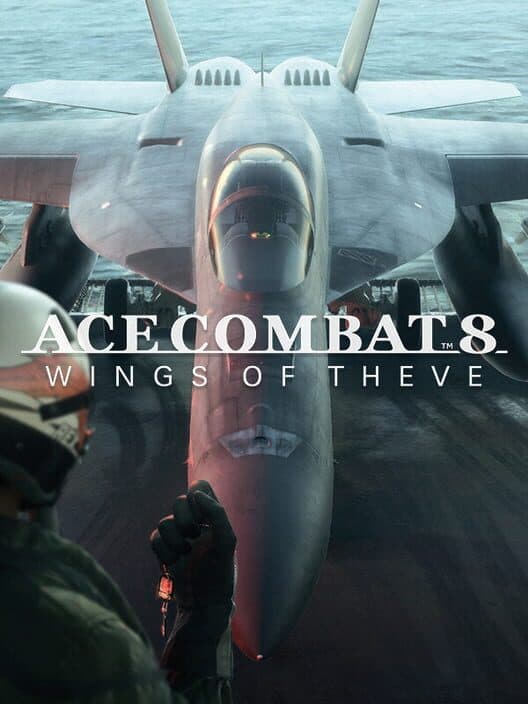
Ace Combat 8: Wings of Theve

Bandai Namco Entertainment • 2026 • Xbox Series X|S, PC (Microsoft Windows), PlayStation 5
Satisfying to completePerfect for a weekend
Ace Combat 8: Wings of Theve cover art

Ace Combat 8: Wings of Theve

Bandai Namco Entertainment • 2026 • Xbox Series X|S, PC (Microsoft Windows), PlayStation 5

Satisfying to completePerfect for a weekend

Is Ace Combat 8: Wings of Theve Worth It?

Based on current preview material, Ace Combat 8 looks worth buying if you want a short, cinematic rush of dogfights and war-movie spectacle. Its big strength is focus. You move from briefing to plane choice to loud sky battles to debrief without much filler, and the more personal squad story could give the campaign more heart than usual. What it asks from you is full attention while you're airborne. Missile warnings, terrain, and mixed objectives do not leave much room for half-paying attention, and mid-mission stopping freedom still looks limited. Buy at full price if you already love arcade flight action or want something intense and replayable rather than endless. Wait for a sale if you're only mildly curious, dislike live-service extras, or care a lot about flexible pausing and saving. Skip it if you want a calm game, a deep simulator, or something you can casually juggle with constant interruptions.

What is Ace Combat 8: Wings of Theve like?

Opinions of Ace Combat 8: Wings of Theve

What Players Love

  • Players Love

    Dogfights look easy to start and thrilling to survive

    Previewers keep praising how quickly the controls click, while missile alerts, environmental hazards, and dense battles still make each sortie feel intense.

  • Players Love

    The more personal squad story is getting strong reactions

    First-person scenes and stronger squad bonds are making the campaign feel more immediate, giving the usual radio drama more emotional weight.

  • Players Love

    Big superweapon missions still deliver the series magic

    Huge enemy machines, ace squadrons, and dramatic sky battles are a repeated highlight, suggesting the campaign keeps the series' love of oversized spectacle.

Common Concerns

  • Common Concern

    No VR support remains a real letdown for some fans

    Players who loved earlier cockpit immersion keep calling this a missed chance. Even positive previews often mention VR's absence as a notable disappointment.

What does Ace Combat 8: Wings of Theve demand from you?

Time

LOW

Time

The campaign looks built for 30- to 90-minute chunks, though mid-mission stopping freedom appears limited and online modes add extra time pull.

LOW

For someone playing in weeknight chunks, this looks relatively friendly. The campaign loop is clean and compact: briefing, loadout, mission, debrief, upgrades, stop. That makes it easy to measure one more mission against your actual energy level. A typical sitting of 45 to 90 minutes should be enough for meaningful progress, and the full campaign likely lands in the low teens of hours rather than demanding months. The catch is inside a sortie. Once a mission starts, flexibility seems limited. Public info points to checkpoints instead of free saving, and real-time flying is a poor fit for frequent interruptions. So the game respects your schedule between missions much more than during them. Coming back after a week should be manageable because briefings and unlock trees provide clear reminders of what you were doing. Social pressure also looks low. Co-op and versus exist, but the main campaign appears complete on its own. In short, it asks for protected blocks of time, not a second job.

Tips
  • Plan around one big mission or two short ones per sitting; that looks like the cleanest way to stop well.
  • Don't start a sortie unless you have at least 30 minutes free, since saving and pausing still look more restrictive than ideal.
  • Take a screenshot of your loadout before long breaks so you can jump back in without rebuilding your setup.

Focus

HIGH

Focus

Once you're in the air, this wants your full attention: radar, missile warnings, terrain, and targets all compete in busy but readable bursts.

HIGH

This is not a background game once wheels leave the deck. The flight model looks approachable, but the screen asks you to track a lot at once: radar, lock-ons, altitude, terrain, clouds, mission targets, and the latest radio call. The good news is that most of that thinking is readable rather than abstract. You are not studying menus or memorizing obscure systems for hours. You are making fast, concrete calls in a crowded sky. That trade works well if you want short bursts of full involvement that feel exciting right away. It works poorly if you like to split attention between a game and a conversation, stream, or household chaos. The other major demand is space awareness. Dogfights happen in full 3D, so it is not enough to aim well. You need to understand where enemies are above and below you, how much room you have to turn, and when terrain is about to become the real threat. In return, the game seems ready to deliver a clean, thrilling sense of being a skilled pilot without requiring full simulator commitment.

Tips
  • Use the first replayable missions to build a scan routine: radar, sky, objective marker, then missile warning tone.
  • Pick one aircraft role for several missions in a row so your hands learn handling before you start experimenting.
  • Play with headphones if possible; warning sounds and radio calls should help you react sooner than visuals alone.

Challenge

MODERATE

Challenge

You can learn the basics in a few evenings, then spend the rest of the campaign getting smoother at evasion, target order, and plane selection.

MODERATE

The barrier to entry looks reasonable. Tutorials, arcade-style targeting, and clear mission goals should get most players flying comfortably within a few evenings, especially compared with a real flight simulator. The harder part comes after the basics. Missions appear to pile several jobs together: survive enemy aces, clear ground threats, protect allies, manage special weapons, and pick the right moments to play aggressively. That creates a satisfying middle ground. The game should be easy enough to start without weeks of homework, but deep enough that you genuinely improve from mission to mission. It also seems fairly honest about where that improvement comes from. Better results are likely tied to cleaner flying, smarter plane choice, and recognizing familiar attack patterns, not to discovering hidden rules on a wiki. Mistakes still matter, though. If checkpoints are sparse inside longer sorties, failed attempts could cost noticeable time. In exchange, when you finally beat a hard mission, it should feel earned because you got better, not because the game stopped asking anything of you.

Tips
  • Run the training content early; it should save you hours once missions start stacking air threats and ground targets together.
  • Treat plane choice as problem-solving, not just preference. A hard mission may become far easier with the right role.
  • Replay one tough mission before moving on; repeating a known scenario teaches evasion and target order faster than constant novelty.

Intensity

HIGH

Intensity

Sorties feel urgent and loud, with frequent near-misses and big war-movie stakes, but the game seems more thrilling than cruel on normal.

HIGH

Ace Combat 8 looks built around adrenaline, not dread. Missions seem to layer missile alarms, close calls, booming radio chatter, and big war-movie spectacle until ordinary encounters feel urgent. That means the emotional pull is strong even when the rules stay readable. You are not wrestling with cruelty for its own sake. You are being pushed into exciting air battles where staying calm matters. On normal difficulty, previews already suggest some rough sorties with dense anti-air fire, drones, railguns, or tight urban spaces, so failure probably stings more than in a breezy action game. Still, the structure should keep that pressure from becoming unbearable. Briefings and debriefs create natural places to breathe, regroup, and decide whether you want another round. The value exchange is clear: it asks for nerves and alertness in the air, then pays that back with big release when a mission finally clicks. If you want something cozy after a long day, this may be too wired. If you want clean, cinematic tension, it looks very promising.

Tips
  • End sessions after a debrief instead of chasing one more mission; that keeps the pressure exciting instead of exhausting.
  • When a sortie gets messy, clear the biggest threat first like railguns, drones, or missile carriers before chasing easy kills.
  • Play this when you want a rush, not when you're already drained; tired play will make the pressure feel worse.

Frequently Asked Questions

It looks medium-hard on normal, with a gentle start and some genuinely demanding missions later on. The hard part is not learning which button fires a missile. The hard part is staying calm while the game stacks radar reading, altitude control, evasive flying, ground targets, and radio chatter all at once. Compared with Ace Combat 7, it seems similarly approachable at first and a little busier in its bigger set pieces. Compared with a full simulator, it should be far easier to understand. Compared with a punishing action game like Sekiro, it should be much less harsh. Most players should grasp the basics within a few hours thanks to tutorials and clear mission goals. Mastery will take longer because each plane handles differently and some missions likely reward smarter loadouts, cleaner turns, and better target order. If you enjoy action games but not brutal punishment, this should land in a satisfying middle ground.

Expect roughly 10 to 15 hours for one normal campaign run, around 18 to 25 hours if you replay missions, unlock more planes, and sample online, and much longer only if multiplayer really clicks for you. The core campaign looks finite and focused rather than endless. Most sorties seem built around 20 to 35 minutes in the air, plus a few minutes for briefings, loadouts, and upgrade spending. That makes 45- to 90-minute sessions the sweet spot. You can likely squeeze in one big mission on a weeknight or two shorter ones if you have a bit more room. The catch is mid-mission flexibility. Everything points to checkpoints rather than free saving, so a sortie is something you want to start with enough time to finish. For most people, the feeling of 'I got what this game offers' should come after credits and a few favorite planes fully clicked, not after months of grinding.

Yes, but mostly in a good, exciting way. Ace Combat 8 looks built around adrenaline: missile warnings, radio chatter, collapsing distances, and giant set pieces that make every close call feel loud and dramatic. This is not the slow, draining stress of a complex strategy game or the dread of horror. It is more like a war-movie rush where your heart rate rises during a mission and drops again at the debrief screen. The main risk is overload. When the game mixes air threats, ground fire, weather, and tight spaces, it may tip from thrilling into tiring if you're already mentally spent. That's especially true late at night or if you only have half an hour and keep trying to squeeze in one more sortie. If you like action games that keep you on edge but also give you clean breaks between missions, this should feel great. If you want something cozy or half-attentive, play something else that night.

Yes. In fact, solo play looks like the main reason to buy Ace Combat 8. Everything official points to the campaign as the centerpiece: briefings, plane selection, squad relationships, and big story missions are the core package, while co-op and versus look like optional extras. For someone with limited time, that is good news. You won't need a fixed group, voice chat, or a long-term online plan to feel like you got the full experience. One mission, one debrief, then stop is a clean rhythm for playing alone. The only caveat is that solo does not always mean flexible. Mid-mission pause and save behavior still look more restrictive than ideal, and storefronts mention limited offline support, so check platform details if internet access matters to you. But as far as actual design goes, this seems very solo-friendly. If you never touch multiplayer, you should still see the story, unlock planes, and get a complete, satisfying run.

Yes, at least on paper. The publisher says paid extras can include playable aircraft, aircraft upgrade items, exclusive content, and a level skip for the pass. That means money may buy faster progression and possibly stronger options, especially in online modes. The good news is that there are no paid loot boxes, and the campaign still appears built to be finished without spending beyond the base purchase. So this is not the worst kind of monetization, but it is still more aggressive than many people want in a full-price release. How much it really matters will depend on balance after launch. If the best planes and upgrades are easy to earn in normal play, the impact may feel annoying but manageable. If online balance leans toward paid shortcuts, it could become a bigger problem. For campaign-only players, this is likely more of a value issue than a hard wall. If you hate monetization in premium games, waiting for post-launch impressions is the safest move.

You Might Also Like

Games with a similar rhythm and feel, even if they look different
Explore more→
Armored Core VI: Fires of Rubicon game cover art
Satisfying to complete

Armored Core VI: Fires of Rubicon

Time
MODERATE
Focus
HIGH
Challenge
HIGH
Intensity
HIGH
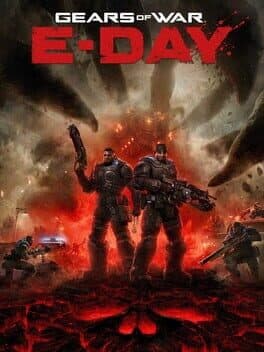
Gears of War: E-Day game cover art
Satisfying to completePerfect for a weekend

Gears of War: E-Day

Time
LOW
Focus
MODERATE
Challenge
MODERATE
Intensity
HIGH
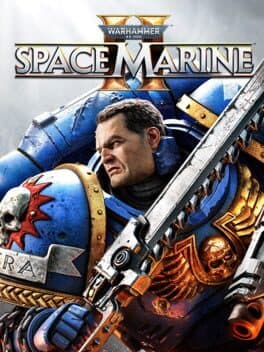
Warhammer 40,000: Space Marine II game cover art
Satisfying to completePerfect for a weekend

Warhammer 40,000: Space Marine II

Time
LOW
Focus
MODERATE
Challenge
MODERATE
Intensity
MODERATE
Halo: Campaign Evolved game cover art
Satisfying to completePerfect for a weekend

Halo: Campaign Evolved

Time
LOW
Focus
MODERATE
Challenge
LOW
Intensity
MODERATE
The Callisto Protocol game cover art
Satisfying to completePerfect for a weekend

The Callisto Protocol

Time
LOW
Focus
MODERATE
Challenge
MODERATE
Intensity
HIGH
Hades game cover art
Satisfying to complete

Hades

Time
MODERATE
Focus
HIGH
Challenge
MODERATE
Intensity
MODERATE
← Back to Home