hello@slated.gg
Powered by IGDB•Privacy•Terms

© 2026 Slated.gg

Slated.gg
Popular GamesAboutDiscover Games
Gears of War: E-Day

Xbox Game Studios • 2026 • Xbox Series X|S, PC (Microsoft Windows), PlayStation 5
Satisfying to completeEasy to jump intoPerfect for a weekend
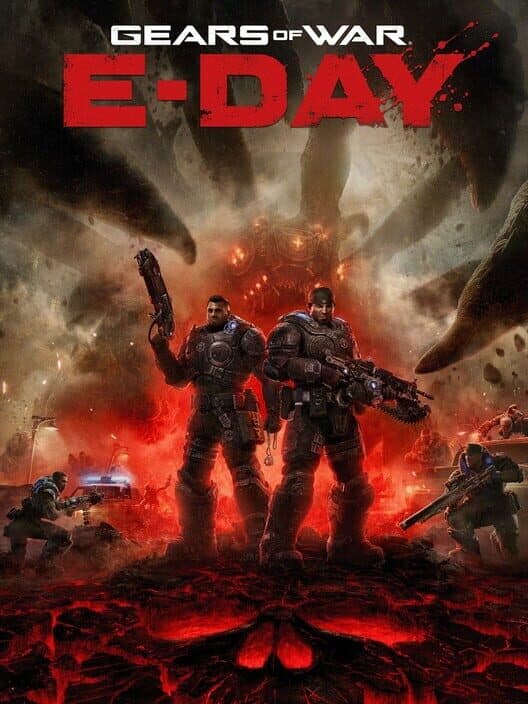
Gears of War: E-Day cover art

Gears of War: E-Day

Xbox Game Studios • 2026 • Xbox Series X|S, PC (Microsoft Windows), PlayStation 5

Satisfying to completeEasy to jump intoPerfect for a weekend

Is Gears of War: E-Day Worth It?

Probably yes if you want a grim, finishable action campaign, but full-price buyers should still wait for reviews or use Game Pass first. What makes E-Day appealing is how clear its promise is: Marcus and Dom, a darker return-to-roots tone, heavy firefights, and a story that sounds complete in around 14 hours instead of 80. That is a great shape for anyone who loves big-budget campaigns but does not want a second job. It also seems to offer good extra value through co-op, Horde, and Versus if you end up wanting more. The catch is that it looks intense, gory, and only moderately flexible once combat starts. It is not a relaxed background game, and the Premium Edition raises fair questions about paid gameplay perks until players can test the final balance. Buy at full price if you already know you love Gears and will use both the campaign and side modes. Wait for reviews, a sale, or Game Pass if you are curious but cautious. Skip it if you want calm exploration, low violence, or save-anywhere convenience.

What is Gears of War: E-Day like?

Opinions of Gears of War: E-Day

What Players Love

  • Players Love

    Darker tone and Marcus-Dom pairing feel like classic Gears

    Preview reactions strongly praise the grimmer mood and the return to Marcus and Dom, with many fans saying it recaptures the series' original emotional pull.

  • Players Love

    Visuals and movement upgrades look genuinely next-gen and fluid

    Players and preview outlets keep highlighting the Unreal Engine 5 spectacle, bigger arenas, and smoother cover movement as the clearest signs of meaningful improvement.

Common Concerns

  • Common Concern

    Excitement is real, but trust is still cautious

    Interest is strong, but many reactions still carry a wait-and-see tone. Players want proof that the final game matches the promise of the previews.

Divisive Aspects

  • Divisive

    Faster movement may clash with classic grounded feel

    Some longtime fans worry that added jumping, sliding, and freer traversal could make the action feel less weighty, while others see it as a smart modernization.

What does Gears of War: E-Day demand from you?

Time

LOW

Time

The story looks finishable in a couple of weeks, with strong stopping points and optional side modes if you want the combat to keep going.

LOW

This looks like a good fit for someone who wants a full, finishable campaign instead of an endless obligation. Current reporting points to about 12 to 16 hours for the main story, which makes it substantial without turning into a months-long project. The structure also seems friendly to weeknight play. Chapters, checkpoints, cutscenes, and separate Horde or Versus matches give you natural places to stop, and the linear setup means you should rarely wonder what to do next. The tradeoff is flexibility inside a fight. Once a big arena starts, it likely wants your full attention until the wave ends, and checkpoint saving is usually less convenient than true save-anywhere systems. Coming back after a week should be pretty manageable because weapons, goals, and mission flow are easy to read, though you may need a few minutes to get your combat rhythm back. Co-op adds fun, but it also makes your schedule less fully your own.

Tips
  • If you only have an hour, start at the beginning of a chapter or right after a cutscene instead of gambling on a fresh arena run.
  • Solo play is the safest choice for unpredictable schedules. Co-op is great, but it turns a flexible campaign into shared calendar time.
  • After a break, spend five minutes re-learning your weapons and movement before pushing a big encounter. The rust should wear off quickly.

Focus

MODERATE

Focus

Most fights demand full-screen attention, but calmer walks and cutscenes break things up so the campaign feels engaging rather than nonstop exhausting.

MODERATE

This is the kind of action game that wants your eyes on the screen once bullets start flying. Most fights look built around reading cover, spotting flankers, timing Active Reload, and moving before enemies box you in. That asks more of you than a simple corridor shooter, but it also pays you back with firefights that feel tactical without becoming homework. You are not managing huge skill trees or studying spreadsheets. You are making quick, readable combat choices in noisy arenas, then getting a breather through cutscenes, dialogue, and short exploration walks. The result should work well if you want something engaging after work, but not something you can play while half-watching TV. In solo play, the demand comes from the battlefield itself. In co-op, callouts and revives add another layer of attention. If you liked the older Gears rhythm of pop out, fire, move, reload, and survive the push, this looks like a sharper, more mobile version of that same pull.

Tips
  • Use the first few seconds of each arena to spot high ground, fallback cover, and likely flanking lanes before the fight fully opens up.
  • Treat Active Reload as a bonus, not a panic habit. Missing it at the wrong moment can be worse than taking a safe standard reload.
  • If you feel overwhelmed, simplify your job: hold a clean angle, clear rushers first, then move once the battlefield starts making sense again.

Challenge

MODERATE

Challenge

You can learn the basics quickly, but smart movement, reload timing, and knowing when to leave cover are where comfort turns into confidence.

MODERATE

Getting comfortable here should be easier than mastering it. If you already know third-person shooters, you will likely understand the basics fast: stick to cover, control space, swap weapons for range, and hit your reload timing when you can. The harder part is learning when to leave safety, how to manage enemies pushing from different angles, and how the new movement options change the old Gears stop-and-pop rhythm. That is a nice middle ground for limited-time players. The game seems to ask for a few hours of adjustment, not weeks of study, and in return it delivers combat that feels skillful without becoming opaque. The campaign on normal should be the smoothest on-ramp. Horde and Versus are where the ceiling rises, with roles, loadouts, and human opponents adding more depth than most people need to enjoy the game. If you want a shooter you can learn quickly and keep getting better at naturally, this looks promising. If you want instant autopilot comfort, it may ask a bit more than that.

Tips
  • Start with the campaign before touching Horde or Versus. It is the cleanest place to learn spacing, weapon roles, and movement timing.
  • Pick one dependable mid-range weapon and one close-range answer, then build confidence around that simple toolkit before experimenting more widely.
  • Do not camp forever in one spot. If enemies are starting to angle around you, moving early is usually safer than reacting late.

Intensity

HIGH

Intensity

It feels grim, gory, and urgent, with firefights that raise your pulse while still staying within mainstream action-game punishment on normal.

HIGH

The emotional pitch looks high. This is war, gore, panic, and monsters tearing through a city that is falling apart in real time. That should give firefights a strong pulse-raising edge, but it does not look like the kind of game that tries to make you miserable for hours at a time. The stress seems closer to a loud blockbuster squeeze than to survival-horror dread where every bullet feels sacred. On normal, mistakes should sting but not ruin your night, thanks to checkpoints and a straightforward campaign flow. That balance matters. The game asks you to handle pressure, but it pays you back with release: brutal weapons, dramatic set pieces, squad banter, and the satisfaction of clearing a nasty arena after feeling pinned down. If you enjoy action games that feel urgent and weighty, this should hit the spot. If you want a calm wind-down game, it probably will not. The horror angle looks real, but the core fantasy still seems to be survival through force, not helplessness.

Tips
  • Play it when you actually want adrenaline. This looks better for focused evening sessions than for tired, half-distracted late-night winding down.
  • If a fight starts to snowball, slow your pace for a few seconds and rebuild control instead of chasing aggressive plays from bad cover.
  • Use audio and squad chatter as pressure tools. They can warn you about pushes before the screen gets too busy to read cleanly.

Frequently Asked Questions

It looks medium difficulty on normal, not brutally hard. The challenge seems to come from staying mobile under pressure, reading flanking angles, and knowing when to leave cover, not from ultra-precise reflexes or punishing one-hit deaths. If you have played Gears, Uncharted 4, or modern God of War, the learning curve should feel familiar. Most players should understand the basics within the first few hours because the core actions are simple and readable. The skill ceiling is much higher in Horde and Versus, but that is outside the main campaign question. Compared with Doom Eternal, this should be slower and easier to parse. Compared with Uncharted 4, it likely asks for sharper positioning and a little more combat discipline. Accessibility support is listed, but the practical impact of those options still needs launch-day verification. If you want a story-driven shooter that makes you pay attention without feeling cruel, this looks like a good middle ground. If you dislike being rushed, pinned down, or restarting fights after bad positioning, it may feel tougher than the marketing suggests.

Plan on about 12 to 16 hours for the main campaign, with 18 to 25 hours if you also sample Horde Siege and a few Versus matches. That makes it a two-week game for many people, not a months-long commitment unless you get hooked on multiplayer. Sessions should fit well into 60 to 90 minutes because the structure looks built around chapters, checkpoints, and set-piece fights with clear stopping points. The main unknown is how generous the save system feels in practice. Current material points to checkpoint saving rather than free save-anywhere, so stopping mid-fight may not always be convenient. The good news is that the story path itself seems very clear, which usually keeps wasted time low. If you come back after a week away, you should be able to reorient fairly quickly. Replay time depends less on story choices and more on whether you want co-op runs, higher difficulties, Horde classes, or competitive matches. For a big-name action game, the main path looks refreshingly manageable.

Yes, it looks pretty stressful, but mostly in the fun blockbuster way rather than the exhausting survival-horror way. The mix of gore, collapsing-city imagery, rushing enemies, and heavy firefights should create real pressure, especially when you are pinned in cover or trying to revive a partner. That said, the expected checkpoint structure and mainstream normal-difficulty tuning should keep most failures from feeling catastrophic. The good stress comes from surviving a nasty push, landing a clutch reload, and clearing an arena with barely any health left. The bad stress will likely come from trying to play while distracted, tired, or interrupted. This does not look like a soft background game for late-night multitasking. It is probably best when you want 60 to 90 minutes of focused, noisy action and have the energy to stay locked in. If gore, strong language, or monster-horror are personal deal-breakers, the emotional load may be higher than the raw difficulty suggests. If you like tense action campaigns, though, it should feel exciting more than draining.

Yes, the campaign is clearly built to be playable solo, and solo looks like the easiest way to fit it into a busy week. The core story is being sold first as a Marcus-and-Dom campaign, not as something that only works with a squad. Co-op should add a lot of fun through callouts, revives, and shared set pieces, but it reads like an enhancement, not a requirement. That matters because solo play gives you the most schedule control, the fewest social obligations, and the cleanest path to seeing the full story. Horde and Versus are different. Those modes are much more social by design, and Versus especially is where skill gaps and coordination demands will matter more. But if your only question is whether the main game works alone, the answer looks like yes. In fact, for many people the best approach will be simple: play the campaign solo at your own pace, then decide later whether you want to invite a friend for a replay or dip into side modes. If you want a finishable action campaign without needing a group, this should suit you.

Lightly yes, at least from what is currently shown. The Premium Edition includes extra weapon-related content and premium currency, and the campaign weapon pack mentions custom weapons plus added weapon mods. Anytime paid items can affect how strong your gear feels, even in a mostly single-player package, that crosses into pay-for-advantage territory on paper. The good news is that this does not look like the kind of game where you need to spend extra just to enjoy the main campaign. The core story should still stand on its own, and there is no sign that basic progression is being deliberately slowed to push purchases. The bigger question is how far those paid bonuses carry into multiplayer balance or meaningful PvE advantage, and that part still needs launch testing. So the fairest answer right now is yes, but probably lightly rather than aggressively. If you are sensitive to any gameplay advantage being sold, wait for post-launch details. If you only care about playing the campaign on normal, the impact may end up small.

You Might Also Like

Games with a similar rhythm and feel, even if they look different
Explore more→
Warhammer 40,000: Space Marine II game cover art
Satisfying to completePerfect for a weekend

Warhammer 40,000: Space Marine II

Time
LOW
Focus
MODERATE
Challenge
MODERATE
Intensity
MODERATE
Alan Wake game cover art
Satisfying to completePerfect for a weekend

Alan Wake

Time
LOW
Focus
MODERATE
Challenge
LOW
Intensity
MODERATE
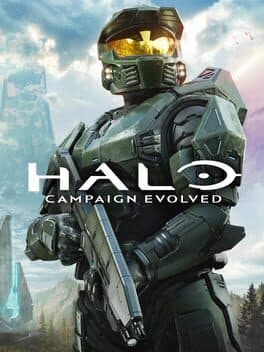
Halo: Campaign Evolved game cover art
Satisfying to completePerfect for a weekend

Halo: Campaign Evolved

Time
LOW
Focus
MODERATE
Challenge
LOW
Intensity
MODERATE
The Callisto Protocol game cover art
Satisfying to completePerfect for a weekend

The Callisto Protocol

Time
LOW
Focus
MODERATE
Challenge
MODERATE
Intensity
HIGH
Tomb Raider game cover art
Satisfying to completeEasy to jump into

Tomb Raider

Time
LOW
Focus
MODERATE
Challenge
LOW
Intensity
MODERATE
The Last of Us Part I game cover art
Satisfying to completePerfect for a weekend

The Last of Us Part I

Time
LOW
Focus
MODERATE
Challenge
LOW
Intensity
HIGH
← Back to Home