hello@slated.gg
Powered by IGDB•Privacy•Terms

© 2026 Slated.gg

Slated.gg
Popular GamesAboutDiscover Games
Way of the Hunter 2

THQ Nordic • 2026 • Xbox Series X|S, PC (Microsoft Windows), PlayStation 5
Satisfying to completeGreat for winding downPerfect for a weekend
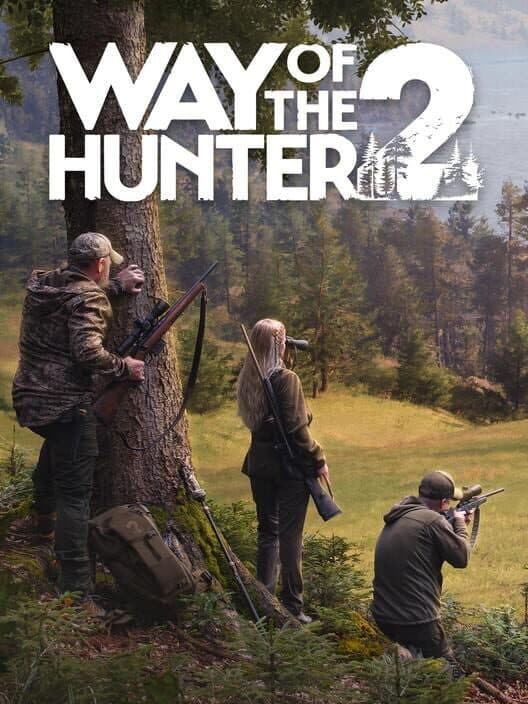
Way of the Hunter 2 cover art

Way of the Hunter 2

THQ Nordic • 2026 • Xbox Series X|S, PC (Microsoft Windows), PlayStation 5

Satisfying to completeGreat for winding downPerfect for a weekend

Is Way of the Hunter 2 Worth It?

Way of the Hunter 2 is worth it if you want slow, scenic hunting where one clean shot can carry an entire evening. Its biggest strength is atmosphere. The reserves look great, the animals feel believable, and the whole loop of spotting, stalking, shooting, tracking, and mounting trophies gives success real weight. It also fits solo schedules better than many sims because full pause works well and a good session can be just one hunt or one mission step. The catch is polish. Current technical issues, especially around saves and progression trust, are a real reason to hesitate. Buy at full price if you already know you enjoy patient outdoor games, methodical play, and the satisfaction of earning a trophy instead of farming action. Wait for a sale or a stronger patch cycle if stability matters more than getting in early. Skip it if you want fast action, heavy story, or constant rewards every few minutes. When it clicks, it delivers a calm, memorable hunting mood few games match.

What is Way of the Hunter 2 like?

Opinions of Way of the Hunter 2

What Players Love

  • Players Love

    Scenery and wildlife make every hunt feel real

    Players consistently praise the lighting, terrain, animal models, and soundscape. Even many critics say the world itself sells the fantasy of careful, believable hunting.

  • Players Love

    Slow trophy hunts feel earned, not handed out

    Fans love that good animals usually have to be found, stalked, and recovered with care. The sim depth makes success feel deliberate instead of disposable.

Common Concerns

  • Common Concern

    Save bugs and technical roughness hurt trust right now

    Disappearing gear, placeable issues, taxidermy problems, and general instability come up often. For many players, the biggest worry is whether progress feels safe.

  • Common Concern

    Ballistics and animal behavior can feel inconsistent

    A common frustration is shots that seem weaker than expected, along with odd audio or animal reactions. That can pull realism-minded players out of the experience.

Divisive Aspects

  • Divisive

    Gear progression feels motivating for some, grindy for others

    Some players enjoy having better scopes and rifles to work toward. Others feel key upgrades are gated too slowly, which can make the middle stretch drag.

What does Way of the Hunter 2 demand from you?

Time

MODERATE

Time

It fits solo weeknights well thanks to full pausing and decent stopping points, though auto-saves and current roughness weaken long-term confidence.

MODERATE

This game is fairly kind to a busy schedule, especially if you play alone. A solid night usually means one mission step, one memorable harvest, or one careful hunt from setup to recovery. That makes 60 to 90 minute sessions feel productive instead of chopped up. Full offline pause is the star here. You can stop when real life calls and come back without the world running on without you. The bigger time ask is not in one sitting but across several weeks. To feel like you really got what the game offers, expect something like 20 to 30 hours rather than a single weekend. It also helps if you leave yourself breadcrumbs, because coming back after a break means remembering your reserve, your gear plan, and what animal or mission mattered. The solo-first design keeps social obligation low, and optional co-op does not redefine the experience. The one real caveat is trust: auto-saving is only moderately flexible, and current technical issues make some players more cautious about long-haul progress than the moment-to-moment flow suggests.

Tips
  • End sessions at a lodge or tent with your next target marked on the map so re-entry feels clean and intentional.
  • Do not chase every system at once; one reserve and a few species keep the weekly rhythm manageable.
  • If save stability worries you, wait for more patches or 1.0 before making this your main long-haul game.

Focus

LOW

Focus

Patient observation matters more than quick hands here, and one brief shooting window can turn a long, quiet walk into a deeply satisfying evening.

LOW

This game asks you to stay present through long calm stretches, then cash in that attention during one small high-value moment. Most of a session is not about frantic action. It is about reading a valley, watching herd behavior, checking your route, and deciding whether this animal is worth the risk. That means your mind is busy in a low-key way. You are thinking often, but you are not being battered by constant alarms or button-heavy chaos. In return, the game delivers a special kind of satisfaction that action-heavy shooters usually cannot. When a shot works, it feels earned because it was built on patience, judgment, and restraint. The trade-off is clear: it asks for steady attention and comfort with slowness, then gives back a stronger sense that you truly made the moment happen. If you enjoy scenery, observation, and deliberate pace, that exchange feels great. If you need nonstop stimulation, the same quiet focus can feel empty instead of absorbing.

Tips
  • Mark likely need zones before quitting so your next session starts with a plan instead of ten minutes of map reorientation.
  • Use binoculars and the dog deliberately; they reduce rushed shots and turn more evenings into clean recoveries.
  • Treat each outing as one small goal, like one mission step or one trophy animal, so the slow pace stays satisfying.

Challenge

MODERATE

Challenge

Starting is simple, but real satisfaction comes from slowly learning animals, terrain, and clean shot habits across several unhurried sessions.

MODERATE

This is not brutally hard to operate, but it does ask for patient learning before it fully opens up. You can move, aim, and complete basic tasks early on without much trouble. The deeper layer is what takes time. You begin to notice which approaches spook a herd, how different areas set up a shot, when an animal is worth passing on, and how tracking turns a messy hit into a recovery. That means the game asks less for raw talent and more for calm repetition. It wants you to pay attention, learn from small mistakes, and let good habits build naturally. In return, it delivers a strong feeling of growing competence. The best moment is not just landing a shot. It is realizing you now understand why the whole hunt worked. The learning process is helped by difficulty and assist options, but current rough edges can occasionally blur what was your mistake and what was the game's. Even so, the core skill arc is readable and rewarding.

Tips
  • Finish the tutorial and early mission chain before free-hunting seriously; they teach the loop better than random wandering does.
  • Stick with one main rifle and a few target species first so you learn cleaner habits before expanding your toolkit.
  • Use the shot review and track signs after mistakes; those quiet post-shot moments teach more than rushing into the next attempt.

Intensity

LOW

Intensity

Most of the time it feels calm and scenic, then suddenly tense when a trophy animal appears or a shaky track threatens to end empty-handed.

LOW

Way of the Hunter 2 is mostly gentle on your nerves. It is closer to a quiet outdoor evening than to a loud action rush. You spend a lot of time walking, glassing, and planning, and those moments are usually peaceful rather than stressful. The pressure comes in short bursts. A rare animal steps into view, the herd shifts, the angle is not perfect, and suddenly that one shot feels important. If the animal runs, the next stretch can become a focused tracking exercise where you really want the signs to hold. That is the good kind of stress the game aims for: brief, meaningful tension that makes success memorable. The bad kind mainly comes from current technical roughness, not from the design itself. A save concern or odd behavior issue can break the calm mood faster than the hunt does. So the exchange is mostly soothing with small spikes of stakes, which makes it best for evenings when you want something absorbing, not something loud or draining.

Tips
  • Play this when you want to unwind with purpose, not when you are craving constant spectacle or fast rewards.
  • Pass on weak angles and rushed shots; the whole experience feels gentler when you stop forcing low-percentage moments.
  • If the sim details start feeling tense instead of satisfying, lower assists and simplify your hunt plan for a while.

Frequently Asked Questions

Way of the Hunter 2 is medium overall: not hard in a punishing action-game way, but definitely more demanding than its calm mood first suggests. It is much easier on reflexes than something like Call of Duty or Elden Ring. The challenge comes from patience, positioning, and judgment. You need to read terrain, avoid spooking animals, choose good shots, and track properly when things go wrong. That makes it harder to learn than the quick hunting side activities in Far Cry, but less brutal than a hardcore survival sim. The good news is that basic play is approachable. You can understand the controls and complete early tasks pretty quickly. The longer curve is learning what makes a hunt clean and repeatable instead of lucky. Difficulty and assist options help soften the learning process, which matters if you are new to hunting games. People who want constant action may find it frustratingly slow. People who like observation and process will probably call it satisfying rather than hard.

Plan on roughly 20 to 30 hours to feel like you truly experienced the core loop, and closer to 35 to 45 hours if you want to spend meaningful time in both current reserves and push farther into missions and upgrades. That is the point where most players will understand the stalking, tracking, trophy, dog, and lodge rhythm well enough to say they got the game. Sessions work best in 60 to 90 minute chunks, though you can play shorter because full pause is excellent and a single hunt can still feel worthwhile. The save system is more mixed. It relies on autosaving rather than true save-anywhere freedom, so stopping is convenient in the moment but not as flexible as the very best pick-up-and-put-down games. If you come back after a week or two, expect a few minutes of map and gear reorientation. Completionists and long-term trophy hunters can stretch it far beyond these estimates, but the core experience does not require that kind of commitment.

Way of the Hunter 2 is mostly calm, not stressful in the usual action-game sense. Most sessions feel quiet and thoughtful. You spend more time observing, walking, and planning than reacting under pressure. The good stress comes in short bursts: a clean shot on a great animal, a herd about to spook, or a tense track after a bad hit. Those moments add stakes without turning the whole evening into a grind of adrenaline. So if you like the feeling of small high-value moments inside a relaxed larger rhythm, it works very well. The bad stress comes from elsewhere. Current technical roughness, especially around saves or inconsistent behavior, can create annoyance that the core hunting loop itself usually does not. This makes it a strong fit for nights when you want something absorbing and scenic, but a weaker fit if you are already tired and easily irritated by rough edges. Play it when you want focus and quiet, not when you want a guaranteed friction-free unwind.

Yes, absolutely. This is a solo-first game, and that is the best way to think about it even though co-op exists. The main loop of scouting, stalking, taking one careful shot, tracking, and deciding what to display in your lodge works perfectly well alone. In fact, the slow pace and deliberate observation often feel better solo because you can move at your own rhythm and stop to think without coordinating with anyone else. It is also fairly friendly to irregular schedules. Full offline pause means real-life interruptions are easy to handle, and there is no social pressure to keep up with a squad or show up for a group session. A typical night can be one hunt, one mission step, or one recovery, then you log off. The only caution is that returning after time away may require a short mental reset to remember your reserve, goals, and gear plan. If you mostly want something you can enjoy on your own terms, this is one of the game's clearest strengths.

No, Way of the Hunter 2 is not pay-to-win. The base game is a one-time purchase, and the current official messaging says there are no planned microtransactions tied to getting stronger, unlocking better weapons faster, or buying gameplay advantages. That matters here because progression is part of the experience. Better optics, rifles, and upgrades are meant to come from playing, not from opening your wallet. Future DLC or expansion content may exist, but that is outside the base-game profile and is not the same thing as selling power inside the main progression loop. The real buying question is not fairness. It is timing. Right now the bigger concern is technical stability and how polished the current build feels, especially if you are on PC during the late Early Access period. So you do not need to worry about being pressured into extra purchases to keep up. You only need to decide whether the current state is polished enough for your patience level.

You Might Also Like

Games with a similar rhythm and feel, even if they look different

Explore more→
Fallout 2 Remake game cover art
Great for winding down

Fallout 2 Remake

Time
LOW
Focus
MODERATE
Challenge
MODERATE
Intensity
LOW
SnowRunner game cover art

SnowRunner

Time
MODERATE
Focus
MODERATE
Challenge
MODERATE
Intensity
LOW
The Lift game cover art
Satisfying to completePerfect for a weekend

The Lift

Time
LOW
Focus
MODERATE
Challenge
MODERATE
Intensity
LOW
Horizon Forbidden West game cover art

Horizon Forbidden West

Time
MODERATE
Focus
MODERATE
Challenge
MODERATE
Intensity
MODERATE
Over the Hill game cover art
Satisfying to completeGreat for winding down

Over the Hill

Time
LOW
Focus
MODERATE
Challenge
LOW
Intensity
LOW
Penguin Colony game cover art

Penguin Colony

Time
LOW
Focus
LOW
Challenge
LOW
Intensity
LOW
← Back to Home