Electronic Arts • 2016 • PlayStation 4, PC (Microsoft Windows), Xbox One
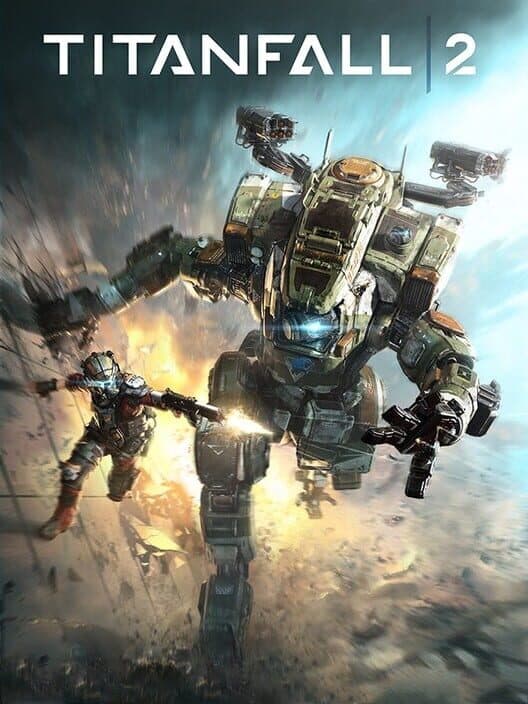
Titanfall 2 is absolutely worth it if you want a short, polished action game that delivers more memorable moments per hour than most much longer releases. The campaign is the main draw. It pairs fluid wall-running and sharp shooting with inventive missions that keep changing the rules just before repetition sets in. It also has more heart than the usual military story thanks to the bond between Cooper and BT. What it asks from you is attention and a little movement practice. You cannot really play it half-distracted, and the speed of combat may feel rough if you dislike first-person shooters. Buy at full price if you love responsive movement, tightly designed campaigns, or replaying standout levels. Wait for a sale if you are only mildly curious or mainly care about multiplayer, since the online scene can feel veteran-heavy. Skip it if you want open-ended exploration, deep build crafting, or a slow, cozy game.

Electronic Arts • 2016 • PlayStation 4, PC (Microsoft Windows), Xbox One
Titanfall 2 is absolutely worth it if you want a short, polished action game that delivers more memorable moments per hour than most much longer releases. The campaign is the main draw. It pairs fluid wall-running and sharp shooting with inventive missions that keep changing the rules just before repetition sets in. It also has more heart than the usual military story thanks to the bond between Cooper and BT. What it asks from you is attention and a little movement practice. You cannot really play it half-distracted, and the speed of combat may feel rough if you dislike first-person shooters. Buy at full price if you love responsive movement, tightly designed campaigns, or replaying standout levels. Wait for a sale if you are only mildly curious or mainly care about multiplayer, since the online scene can feel veteran-heavy. Skip it if you want open-ended exploration, deep build crafting, or a slow, cozy game.
Players often remember individual chapters years later because each mission adds a fresh idea, twist, or set piece instead of repeating the same firefight loop.
The remaining player base is often skilled, so new or rusty players can feel outpaced fast. Server quality and matchmaking consistency also come up in community discussion.
Some players love that the story finishes before it wears out. Others wish a campaign this inventive had room for a few more chapters to breathe.
Wall-running, double jumps, and snappy weapons create a rare feeling of speed and control. Even simple fights feel better because moving around the map is so fun.
The pilot-Titan relationship gives the campaign warmth that many military stories lack, helping the quieter moments land instead of feeling like filler between battles.
Players often remember individual chapters years later because each mission adds a fresh idea, twist, or set piece instead of repeating the same firefight loop.
Wall-running, double jumps, and snappy weapons create a rare feeling of speed and control. Even simple fights feel better because moving around the map is so fun.
The pilot-Titan relationship gives the campaign warmth that many military stories lack, helping the quieter moments land instead of feeling like filler between battles.
The remaining player base is often skilled, so new or rusty players can feel outpaced fast. Server quality and matchmaking consistency also come up in community discussion.
Some players love that the story finishes before it wears out. Others wish a campaign this inventive had room for a few more chapters to breathe.
This is one of the easier big-budget campaigns to fit into a busy week, with short overall length and clear mission-sized stopping points.
This is one of the easiest big action games to fit into a busy schedule. The full campaign usually wraps in about 6 to 8 hours, so you can see the whole arc in a week or two of normal evening play. Missions are linear, goals are clear, and chapters tend to break into satisfying chunks, which makes it easy to feel like you actually finished something in a single sitting. The campaign can be paused, and checkpoints are frequent, so unexpected interruptions are manageable. It is not perfect stop-anywhere design because you cannot make manual saves, and quitting at the wrong moment may cost a few minutes. Coming back after several days is also pretty painless. You may need a short warm-up to get your movement rhythm back, but you probably will not be lost. Multiplayer adds more life if you want it, yet it is fully optional and much less flexible because matches cannot pause and the community skews experienced. For most people, the campaign delivers a complete, self-contained package without asking for a long-term lifestyle game commitment.
Most moments ask for eyes-on-screen attention, fast aiming, and quick route reading, but not heavy planning or menu study constantly.
Titanfall 2 wants your full attention, but not because it buries you in systems. The load mostly comes from speed. In pilot sections, you are reading rooftops, windows, sightlines, and movement lanes while aiming and staying mobile. Enemies can appear above, below, and across the room, so the game rewards quick visual scanning far more than slow planning. That makes it a poor fit for half-watching TV or answering messages during active fights. The good news is that it is clean and readable. Objectives are obvious, menus stay light, and you rarely need to stop and study builds or currencies. It asks for present-moment awareness and quick reactions, then pays you back with a great sense of flow when movement and shooting click together. Compared with heavier action games, this is more about instinct, route choice, and 3D space than long-term strategy. If you can give it your eyes and hands for a focused hour, it feels fantastic. If you need something you can drift in and out of, it will feel demanding fast.
You can learn the basics quickly, but moving gracefully through fights takes practice, especially once the game starts testing your speed and vertical awareness.
Titanfall 2 is friendly to learn and satisfying to grow into. The campaign introduces wall-running, double jumps, Titan controls, and weapon basics in a clear, steady way, so you can become functional within the first few missions. The harder part is elegance. The game starts simple, then asks you to shoot accurately while moving fast through vertical spaces, chain movement cleanly, and stay calm when arenas get busy. That means it is easier to understand than it is to perform smoothly. The good news is that the learning process is kind. Deaths are usually short setbacks, and the game does a great job of teaching through level design rather than long tutorials or hidden rules. You rarely need a guide. For most people, the campaign lands in a sweet spot: enough friction to feel rewarding, not enough to turn progress into work. The optional multiplayer is a different story and much rougher for beginners, but that is extra. The main solo run asks for practice, then rewards you quickly with one of the best movement-and-shooting grooves around.
It feels exciting and punchy rather than punishing, with regular adrenaline spikes softened by quick retries, clear goals, and a strong power-fantasy rhythm.
The emotional pull here is excitement, not dread. Titanfall 2 throws plenty of gunfire, Titan battles, explosions, and narrow escapes at you, so sessions can feel punchy and energizing. Still, it rarely becomes exhausting because the game is generous with checkpoints and clear about what it wants. Failure usually means a quick retry, not a major loss of progress or a long walk back. That changes the mood a lot. You get the rush of speed and spectacle without the heavy punishment of harsher action games. The tone helps too. Even with military stakes and loud combat, the campaign carries warmth and forward momentum instead of hopelessness or horror. The main source of pressure is the pace of fights, especially when enemies attack from multiple elevations. That can spike stress if you are tired or rusty. But on normal difficulty, most players will feel more thrilled than overwhelmed. It is best when you want a lively, energizing session rather than a calm wind-down before bed.
Games with a similar rhythm and feel, even if they look different