hello@slated.gg
Powered by IGDB•Privacy•Terms

© 2026 Slated.gg

Slated.gg
Popular GamesAboutDiscover Games
The Old Flesh of Nuraga

Studio Ortica • 2026 • PC (Microsoft Windows)
Quick sessionsEasy to pick back upSatisfying to complete
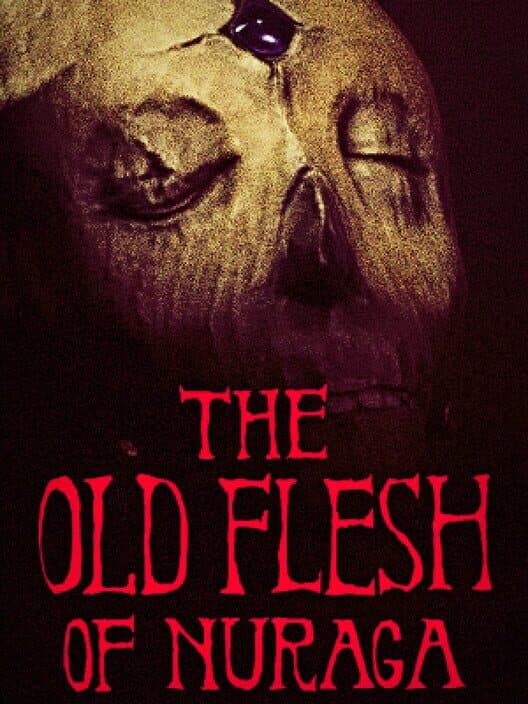
The Old Flesh of Nuraga cover art

The Old Flesh of Nuraga

Studio Ortica • 2026 • PC (Microsoft Windows)

Quick sessionsEasy to pick back upSatisfying to complete

Is The Old Flesh of Nuraga Worth It?

Yes, if you want a short, unsettling story game with strong writing and almost no mechanical friction, The Old Flesh of Nuraga looks worth it. Its best qualities are efficiency and mood. You get the full idea fast, the desert atmosphere seems genuinely memorable, and the relationship with Grandpa gives the horror a sad, human edge that many players say lands harder than expected. That makes it a strong full-price pick for people who value compact experiences, replayable story branches, and horror that unsettles more than it attacks. If you mainly want combat, deep puzzles, or a big world to explore, wait for a sale or skip it. The digging and cleaning loop is intentionally simple, and even fans note that some endings feel abrupt. The good news is that the game respects your time: one evening is enough to see a full route, and chapter select keeps replays painless. Buy it for atmosphere, writing, and emotional bite. Do not buy it expecting a long-term hobby game.

What is The Old Flesh of Nuraga like?

Opinions of The Old Flesh of Nuraga

What Players Love

  • Players Love

    Atmosphere and sound make the desert feel unforgettable

    Players often point to the eerie sands, lo-fi visuals, and strong audio work as the real hook. The mood stays memorable even though the game is very short.

  • Players Love

    Writing and family themes hit harder than expected

    Many reviews say the dialogue and family dynamic carry surprising emotional weight. Themes of regret, care, and decline land harder than expected from a 1-2 hour story.

  • Players Love

    Short runtime feels focused rather than disappointingly small

    A lot of players liked that the game shows its full hand quickly and ends before the idea wears out. Chapter select also makes a revisit feel easy instead of tedious.

Common Concerns

  • Common Concern

    Early save issues shook confidence in continued progress

    Launch-period Continue problems caused some lost or broken progress before patches arrived. Later fixes helped, but the issue still shows up in player discussion.

Divisive Aspects

  • Divisive

    Simple digging and abrupt endings divide some players

    For some players, the stripped-down digging loop keeps the story moving. Others wanted deeper interaction or endings with more room to breathe.

What does The Old Flesh of Nuraga demand from you?

Time

VERY LOW

Time

The core experience fits into one evening, with chapter select and solo play making replays easy, though the mood works best if you can stay immersed.

VERY LOW

This is unusually friendly to a crowded schedule. One route is short enough to finish in a single evening, and that is enough for most people to feel they experienced the main thing the game offers. You do not need a long campaign plan, a standing group, or a month of steady progress. It is solo-only, fully pauseable, and structured around clear story beats, so it handles real-life interruptions well. Replays are also low-friction because alternate endings can be pursued through chapter-based re-entry instead of full restarts. The only real catch is that this is an atmosphere-driven story, so convenience is not the same as ideal play conditions. You can absolutely stop and come back later, but the dread, symbolism, and emotional buildup land best when the experience is not too fragmented. In other words, it asks for very little calendar space and gives back a compact, complete story night. If you want a game that respects your time, this is one of its strongest selling points.

Tips
  • Budget 90 to 120 minutes if you want the cleanest first run. That's enough time to see one route without rushing.
  • If you stop mid-run, jot down your last major choice. Story context matters more than mechanical memory when you return.
  • Because it's solo and offline-friendly, it's a strong weeknight option when you want something complete instead of another long campaign.

Focus

LOW

Focus

Simple controls keep your hands relaxed, but the story asks you to listen closely, catch mood shifts, and notice what each relic says about Grandpa.

LOW

This game asks for attentive listening more than fast hands. The basic actions are easy and repetitive in a good way: walk, search, dig, clean, talk. That means your brain is free to do the real work, which is reading the room, noticing how Grandpa changes, and deciding what each strange find means. You are not juggling combat, maps, crafting trees, or puzzle chains. Instead, the game trades mechanical complexity for emotional and narrative attention. Give it half your focus and you will still function, but you will lose a lot of what makes it special. Sound cues, small changes in tone, and the weight of a line of dialogue matter more than the controls. The small spaces and directed structure also keep your mental load manageable, so this is not an exhausting evening of problem-solving. It asks for close attention in short bursts and pays that back with atmosphere, unease, and a stronger sense that your choices actually mean something.

Tips
  • Play with headphones if you can. The sound design and Grandpa's voice do a lot of the storytelling and mood-building.
  • Treat dialogue choices as meaningful, not filler. The mechanics are simple enough that most of your first-run value comes from paying attention.
  • If you're tired, play in one clean sitting instead of multitasking. You'll follow the emotional shifts much better that way.

Challenge

VERY LOW

Challenge

You'll understand the basic loop within minutes. The real skill is paying attention to conversations and living with choices, not mastering systems.

VERY LOW

This is an easy game to learn and a light game to operate. The main actions are straightforward, and there is very little risk of getting stuck because you failed to master a system. You are not studying enemy patterns, solving layered logic rooms, or managing a big set of tools. The challenge is softer and more human than that. You are learning how the game communicates through relics, pauses, and conversations, then deciding how much you trust what you are hearing. That makes the first run approachable even for someone who rarely plays horror games. It also means there is not a lot of mechanical growth waiting for you on replay. A second run is more about seeing a different emotional or narrative angle than becoming better at play. The trade is simple: it asks almost nothing from your hands, and in return it gets out of the way so the writing, choices, and atmosphere can do the heavy lifting.

Tips
  • Don't overthink the mechanics. Learn the bell, excavation, and cleaning rhythm quickly, then spend your energy on the conversations.
  • Use chapter select for alternate endings instead of restarting from scratch. It keeps replay brisk and avoids redoing too much setup.
  • If a choice feels uncomfortable, that's probably the point. The game gets more out of honest reactions than trying to game the 'best' outcome.

Intensity

LOW

Intensity

This is slow dread, not panic: emotionally heavy, sad, and eerie, with low mechanical punishment but a steadily tightening knot in your stomach.

LOW

The pressure here comes from mood and meaning, not from being chased or tested. Most of the time, you are safe in the mechanical sense. You are not fighting for your life, racing timers, or retrying hard sections. What the game does instead is build a steady feeling that something is wrong and getting worse. The horror seems rooted in psychological strain, folklore, and the uneasy bond with Grandpa, so the stress is more about discomfort, pity, suspicion, and guilt than pure shock. That makes it a good fit if you want horror atmosphere without the constant drain of survival horror. It also means the game can hit unexpectedly hard if themes like decline, caregiving, or mental collapse are personal for you. The emotional weight ramps up as the route progresses, and the final choices sound heavier than the mechanics around them. So the exchange is clear: it asks you to sit with dread and sadness, and in return it delivers a more personal, lingering kind of horror.

Tips
  • If family decline themes hit close to home, read the content note first. The sad edge may land harder than the horror imagery.
  • This works best when you're in the mood for unease, not comfort. Save it for a night when you want atmosphere to really settle in.
  • A single sitting helps the dread build naturally. Long breaks won't ruin progress, but they can soften the emotional arc.

Frequently Asked Questions

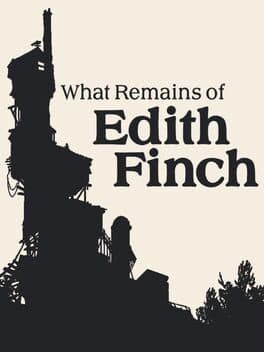
No, The Old Flesh of Nuraga does not seem hard in the usual sense. It looks easy to learn and easy to operate, with very simple core actions and little sign of reflex-heavy sequences, punishing fail states, or puzzle walls. If you have played games like Firewatch, Gone Home, or What Remains of Edith Finch, this appears much closer to that style of mechanical demand than to something like Resident Evil 2 or Amnesia. The challenge is mostly emotional and interpretive. You are paying attention to conversations, reading the mood, and deciding how to respond, not mastering systems or surviving intense encounters. That means it is easy to become basically competent within the first half hour. It is also not the kind of game that suddenly turns into a brutal late-game test. What may feel difficult is the subject matter. The horror and caregiving themes can be heavy, and some choices may feel uncomfortable even when the controls are not demanding. So: easy to learn, easy to finish, but potentially harder to sit with if its themes hit close to home.

Most players should reach one ending in about 1 to 2 hours. If you want to see a second branch or compare endings, a total of roughly 2 to 4 hours is a sensible expectation, especially with chapter select reducing replay friction. That makes this one of the easier story games to fit into a weeknight. The structure is compact and directed, so even a 60 to 90 minute session can cover a large chunk of the experience. A full uninterrupted sitting is probably the best way to play because the mood and emotional buildup seem to matter more than the mechanics, but the game is also pause-friendly and not built around long, risky stretches. Save details are a little less clear than ideal, though public information does point to reliable resume behavior and chapter-based re-entry after launch fixes. In plain terms, this is not a long commitment. One evening gets you the main idea, and a second short revisit is enough to decide whether the branching endings add value for you.

The Old Flesh of Nuraga looks emotionally tense, but not mechanically exhausting. Its stress comes from slow dread, uneasy conversations, and themes around decline, loyalty, and psychological collapse, not from constant danger or repeated failure. That makes the experience feel more like a steadily tightening mood than a game that keeps your heart racing every minute. For a lot of players, that is the good kind of stress. You stay engaged, uneasy, and curious without having to fight hard sections or react under pressure. The bad kind of stress is more personal here. If stories about caregiving, aging, or mental decline hit close to home, this may sting more than a louder horror game would. It also sounds more sad than shocking for some players, which can linger after you stop playing. This is a good pick for a night when you want atmosphere and emotional weight. It is a weaker pick if you want comfort, background play, or something you can dip into while mentally checked out.

Yes. In fact, The Old Flesh of Nuraga is built entirely for solo play, and that also makes it fairly easy to play casually. There are no party obligations, no matchmaking waits, no online pressure, and no need to coordinate with anyone else before you can make progress. That matters a lot for a game this short, because you can decide on a whim to play one route and be done the same evening. It also seems to pause fully, which is great if real life interrupts. The one caveat is that casual-friendly does not always mean ideal in tiny pieces. This game appears to rely heavily on atmosphere, sound, and emotional buildup, so it will probably land better if you can give it a mostly uninterrupted stretch rather than five minutes here and there. Still, if your version of casual play means weeknight sessions, full control over stopping, and no outside commitments, it fits very well. It is not only soloable. It is clearly designed around being alone with its mood and story.

No. The Old Flesh of Nuraga is a straightforward premium single-player purchase, and there is no sign of paid power, paid endings, faster progression, or any kind of advantage you can buy. That matters even more here because this is not a competitive game in the first place. You are not trying to keep up with other players, and there is no economy or ranking system that spending could distort. The optional Supporter Pack mentioned in the research adds extra bizarre encounters and dialogue, but it does not affect progression. In other words, it is optional flavor, not a paid shortcut to a better or easier run. For most players, the base game appears fully self-contained and complete as a purchase decision. If you are deciding whether to try the game, you can safely judge it on the standard edition alone. There is no pressure to spend beyond that, and no reason to worry that the best version of the experience is locked behind extra payments.

You Might Also Like

Games with a similar rhythm and feel, even if they look different
Explore more→
Firewatch game cover art
Satisfying to completeEasy to jump into

Firewatch

Time
VERY LOW
Focus
VERY LOW
Challenge
VERY LOW
Intensity
VERY LOW
1000xResist game cover art
Satisfying to completeEasy to jump into

1000xResist

Time
MODERATE
Focus
MODERATE
Challenge
LOW
Intensity
LOW
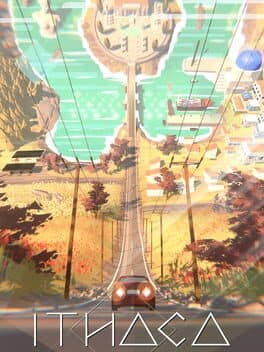
Ithaca game cover art
Satisfying to completeEasy to jump into

Ithaca

Time
LOW
Focus
MODERATE
Challenge
LOW
Intensity
LOW
What Remains of Edith Finch game cover art
Satisfying to completeEasy to jump into

What Remains of Edith Finch

Time
VERY LOW
Focus
LOW
Challenge
VERY LOW
Intensity
VERY LOW
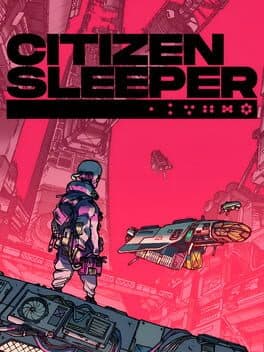
Citizen Sleeper game cover art
Quick sessionsSatisfying to complete

Citizen Sleeper

Time
LOW
Focus
LOW
Challenge
LOW
Intensity
LOW
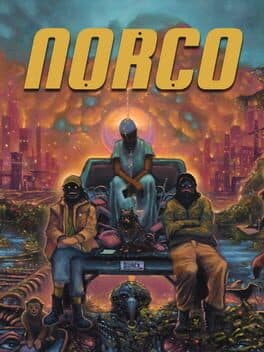
Norco game cover art
Satisfying to completeEasy to jump into

Norco

Time
LOW
Focus
LOW
Challenge
LOW
Intensity
VERY LOW
← Back to Home