hello@slated.gg
Powered by IGDB•Privacy•Terms

© 2026 Slated.gg

Slated.gg
Popular GamesAboutDiscover Games
The Mound: Omen of Cthulhu

Nacon • 2026 • Xbox Series X|S, Linux, PC (Microsoft Windows), PlayStation 5
Perfect for a weekend
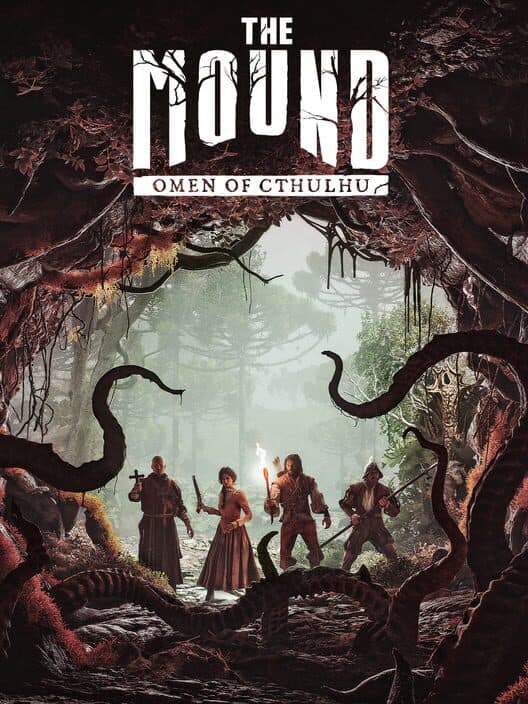
The Mound: Omen of Cthulhu cover art

The Mound: Omen of Cthulhu

Nacon • 2026 • Xbox Series X|S, Linux, PC (Microsoft Windows), PlayStation 5

Perfect for a weekend

Is The Mound: Omen of Cthulhu Worth It?

The Mound: Omen of Cthulhu is worth it if you have friends and want tense, story-generating co-op horror, but it is a shakier full-price buy for solo play right now. Its best trick is the sanity system. Few games turn simple jungle runs into arguments about what was real, who saw what, and whether the group should risk one more minute for better loot. When it works, it feels fresh and memorable. What it asks from you is patience with rough edges. Combat is clunky, the launch technical state is uneven, and the whole thing works best when your group communicates well and can give it a full evening session. This is not a smooth power fantasy or a background game. Buy at full price if you already have a reliable co-op group and the idea of paranoid extraction horror sounds exciting. Wait for a sale or a few patches if you are curious but sensitive to performance issues. Skip it for now if you mostly play solo, want polished combat, or prefer clear, low-stress progression.

What is The Mound: Omen of Cthulhu like?

Opinions of The Mound: Omen of Cthulhu

What Players Love

  • Players Love

    The jungle atmosphere carries much of the whole experience

    Players consistently praise the dense jungle, creature design, and oppressive mood. Even many negative reviews still point to the setting as the game's biggest success.

  • Players Love

    Madness mechanics create co-op stories few games can match

    False perceptions, proximity chat, and sanity-driven doubt turn ordinary runs into memorable group stories. This is the feature most often cited as the game's unique hook.

Common Concerns

  • Common Concern

    Performance problems and crashes hurt the launch experience badly

    Early players report frame drops, stuttering, and crashes across multiple platforms. These technical issues are common enough to shape whether people recommend the game at launch.

  • Common Concern

    Combat feels clunky when the game pushes you to fight

    Many players say melee and gunplay feel awkward, slow, or undercooked. The game tends to shine in tension and paranoia, not in the moment it demands direct combat.

  • Common Concern

    Solo mode works, but clearly feels like the lesser option

    Playing alone is possible, yet many players feel the design comes alive with human teammates. If you do not have a regular group, the fit gets much weaker.

Divisive Aspects

  • Divisive

    Its harsh friction feels original to some, repetitive to others

    Some players love the hostile pacing and light persistence because it supports dread. Others see the same structure as tedious, thin, or not rewarding enough over time.

What does The Mound: Omen of Cthulhu demand from you?

Time

MODERATE

Time

It fits planned evening sessions better than quick check-ins. Runs end cleanly, but you really want 60 to 90 minutes and preferably friends.

MODERATE

This is reasonably finite but not especially flexible. A satisfying run through the main arc should land around 10 to 25 hours for most players, which is manageable over a few weeks. The problem is not total length. It is how that time arrives. A typical night has prep on the ship, one or two expeditions, then reward and upgrade decisions afterward. In practice, that makes the game feel best in planned 60 to 90 minute sessions rather than ten-minute drop-ins. The structure itself is friendly once a run ends. You get obvious stopping points between expeditions, and the game clearly resets back at the hub. Mid-run interruptions are the real issue. If you have to suddenly step away, the experience is awkward at best and costly at worst. The other big time ask is social coordination. You can play alone, but the game is plainly stronger with human teammates, and that means schedules matter. Coming back after a week is doable, though expect a short warm-up to remember your kit, contracts, and the game's stranger rules.

Tips
  • Plan around one full expedition plus cleanup, not just the mission timer. The hub prep and post-run decisions add meaningful extra time.
  • If your week is unpredictable, stop after a successful run instead of squeezing in another. The game rewards disciplined endings.
  • Keep a regular partner or small group if you can. Familiar teammates lower confusion and make re-entry after a break much smoother.

Focus

HIGH

Focus

This is a listen-close, watch-everything co-op horror game where judgment matters more than raw speed, and distractions can turn a clean run into confusion fast.

HIGH

This game asks you to stay locked in during expeditions and rewards that attention with rich paranoia. Most runs are not mechanically fast, but they are mentally noisy. You are tracking teammates, cart position, supplies, side paths, and one constant question: was that real? Because the game likes to blur enemies, allies, and hallucinations, divided attention is a bad fit. Looking at your phone or playing with a show on in the background is an easy way to miss danger or misread the whole situation. What keeps it from feeling like a competitive shooter is pace. Muskets are slow, melee is awkward, and travel through the jungle creates short breathing spaces between spikes of danger. The thinking is more about judgment than speed. You are weighing risk, reading the environment, and deciding whether the group should press on or cash out. If you enjoy games where conversation, suspicion, and route choices all matter at once, it delivers a very specific kind of tense concentration.

Tips
  • Use short, clear callouts during expeditions. Long explanations make hallucination-heavy moments worse and can leave teammates unsure who or what to trust.
  • Play with headphones if possible. A lot of the game's warning signs and paranoia come through sound before the danger is obvious on screen.
  • Treat every side path as a cost-benefit choice, not a habit. Greedy wandering creates more problems here than in most co-op adventures.

Challenge

MODERATE

Challenge

The basics are simple, but feeling competent takes a few messy nights because the game hides information and teaches through confusion, failure, and group mistakes.

MODERATE

This is more awkward to learn than it is mechanically deep. Moving, fighting, and looting are straightforward on paper, but the game deliberately withholds comfort. Sanity effects distort what you see and hear, combat is not especially elegant, and the best choices are often about restraint rather than heroics. That means the first few hours can feel messy even if you usually pick up co-op games quickly. The good news is that you do not need elite reflexes or a giant wiki session to improve. Competence mostly comes from experience: learning when noise is worth it, how long a run can safely stretch, what equipment actually helps your group, and when to stop treating every threat like a fight to win. The learning process is easier with regular teammates because shared habits develop fast. Solo players will feel the rough edges much more. If you can tolerate a few confusing nights up front, the payoff is that later runs become more readable and your choices start feeling deliberate instead of desperate.

Tips
  • Start with safer, utility-focused loadouts while learning. Information, healing, and escape tools teach the game better than trying to force aggressive weapon picks.
  • After each failed run, talk through one mistake as a group. Small post-run reviews help faster than silently queueing again.
  • Don't judge your skill by early chaos. A lot of the first hours are about decoding the game's logic, not proving mechanical talent.

Intensity

HIGH

Intensity

Expect steady dread more than nonstop screaming. The pressure comes from unreliable senses, ugly fights, and deciding whether to leave safely or gamble for more.

HIGH

The emotional pull here is strong. This is not a breezy treasure hunt with a horror skin; it wants you uneasy. The jungle feels hostile, visibility is poor, enemies hit hard enough to matter, and the sanity system adds a second layer of pressure by making your own perception unreliable. That creates a kind of stress where even quiet moments feel loaded. You are not just afraid of monsters. You are afraid of making the wrong read. The good version of that stress is memorable shared panic. A run can turn into one of those great co-op stories where everyone limps out arguing about what really happened. The bad version is that clunky combat and technical roughness can turn fear into frustration, especially when a fight goes wrong for reasons that do not feel fully in your control. This is best played when you want a concentrated, moody night with friends, not when you want to relax, multitask, or squeeze in something soothing before bed.

Tips
  • If your group is getting rattled, extract early once you have decent loot. The game often rewards discipline more than one last greedy push.
  • Do a first run with lower expectations. Treat it as a scouting night to learn the mood and systems, not a perfect haul.
  • Skip it when you're tired or distracted. This kind of pressure is fun when you're present and much rougher when your attention is already low.

Frequently Asked Questions

The Mound: Omen of Cthulhu is moderately hard, but not in a razor-sharp action-game way. It is harder to handle than Left 4 Dead and much rougher to read than a typical co-op shooter, yet it is nowhere near something like Sekiro in terms of pure mechanical precision. Most of the difficulty comes from confusion, pressure, and punishment. The game hides information, sanity effects make you question what you are seeing, and combat often feels awkward rather than empowering. That means it is easier to understand than to feel comfortable with. You can learn the buttons fast, but basic competence usually takes a few evenings. Expect the first 3 to 5 hours to be the hardest because you are still decoding the rhythm of a run, what gear matters, and when to leave. With friends, the game becomes much more manageable. Solo, it feels noticeably harsher because you lose both coordination and the social safety net. If you enjoy messy, high-tension co-op horror, the challenge feels purposeful. If you want smooth combat feedback, it may feel unfair.

Most players should expect about 12 to 18 hours to feel like they saw the core of The Mound: Omen of Cthulhu, with 20 to 30 hours for a fuller run through deeper areas, more unlocks, and repeat expeditions. It does not look like a 100-hour lifestyle game unless you really fall in love with the loop and keep replaying with friends. The bigger factor is session shape. A single expedition may only last around 25 to 30 minutes, but the real night usually includes ship prep, loadout talk, post-run loot appraisal, and perk or weapon decisions. In practice, it plays best in 60 to 90 minute chunks, and two hours is easy if your group says yes to one more run. Saving seems built around the hub and run structure, not flexible mid-mission checkpoints. That means it is easy to stop between expeditions, but not ideal for constant interruptions once you are already in the jungle. For a few nights a week, the overall length is manageable.

Yes, The Mound: Omen of Cthulhu is pretty stressful. The main feeling is not fast-action panic every second, but steady paranoia. The jungle is hostile, fights are ugly, and the sanity system keeps making you question whether you just saw an enemy, a teammate, or nothing at all. If that sounds exciting, this is the good kind of stress: the kind that creates great co-op stories and makes a clean extraction feel earned. The bad kind of stress can come from the rough edges. Clunky combat and launch performance issues can make failure feel messy instead of thrilling, especially if your group is already disorganized. So this is not the game to boot up when you are exhausted, multitasking, or hoping to relax before bed. It is best played when you want a focused, moody session with friends and can give it your full attention. If you love games like Phasmophobia for the nerves and group chatter, you will probably enjoy the pressure. If you want calm progress and reliable control, it may feel draining fast.

Yes, you can play The Mound: Omen of Cthulhu solo, but it does not seem like the best way to experience it. The game is clearly built around a small group talking, doubting each other, and making shared risk calls under pressure. That is where its most original moments come from. Without that human layer, you still get the atmosphere and basic extraction loop, but you lose a lot of the magic. Solo also makes the rougher parts stand out more. Combat feels harsher, recovery is thinner, and the systems can feel more confusing because there is nobody else helping you compare what is happening. Early player sentiment is pretty consistent on this point: solo is possible, just noticeably less satisfying. If you mainly play alone and only occasionally join friends, this is probably a wait-for-sale game, or a wait-for-patches game. If you have even one or two regular partners who like tense horror nights, the recommendation becomes much stronger. In short: soloable, yes. Ideal solo game, no.

No, The Mound: Omen of Cthulhu does not appear to be pay-to-win. It is sold as a premium game, and current store pages point to things like a Deluxe edition, cosmetics, a soundtrack, and an extra mission pack rather than power boosts, battle passes, or cash-shop advantages. There is also no PvP mode where paid gear could create an unfair edge over other players. That matters because the game already lives or dies on atmosphere, teamwork, and survival decisions. Selling raw power would work against the whole design, and there is no strong sign of that in the launch model. The add-on that matters most is the extra mission content, which is more about getting more game, not buying better performance inside the base loop. As always with a very new release, future monetization can change, so it is smart to keep an eye on updates. But based on what is available now, you are buying the game itself, not buying your way past its difficulty or progression. For now, it looks clean on this front.

You Might Also Like

Games with a similar rhythm and feel, even if they look different
Explore more→
Elden Ring Nightreign game cover art

Elden Ring Nightreign

Time
MODERATE
Focus
HIGH
Challenge
HIGH
Intensity
HIGH
Barotrauma game cover art

Barotrauma

Time
HIGH
Focus
HIGH
Challenge
HIGH
Intensity
HIGH
Lords of the Fallen II game cover art

Lords of the Fallen II

Time
MODERATE
Focus
HIGH
Challenge
MODERATE
Intensity
HIGH
The Outlast Trials game cover art
Perfect for a weekend

The Outlast Trials

Time
MODERATE
Focus
HIGH
Challenge
MODERATE
Intensity
HIGH
Dying Light: The Beast game cover art

Dying Light: The Beast

Time
MODERATE
Focus
HIGH
Challenge
MODERATE
Intensity
HIGH
State of Decay 3 game cover art

State of Decay 3

Time
MODERATE
Focus
HIGH
Challenge
MODERATE
Intensity
MODERATE
← Back to Home