Daedalic Entertainment • 2023 • PC (Microsoft Windows), Mac, Linux
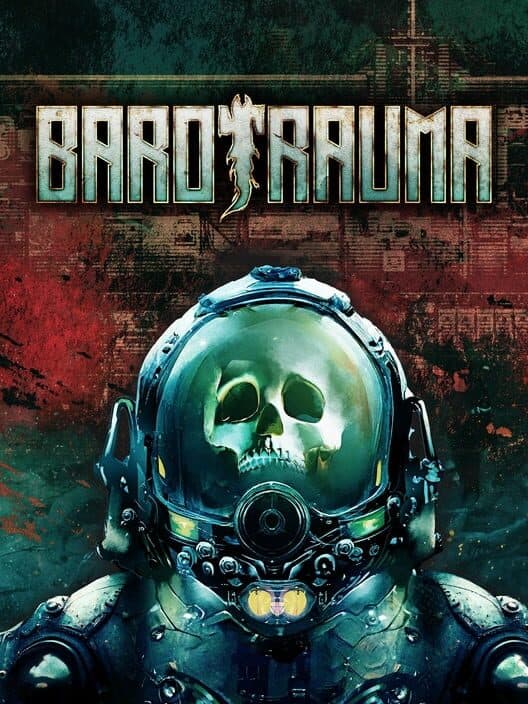
Barotrauma is worth it if you have even one or two friends who enjoy tense co-op, messy problem-solving, and laughing through disasters. What makes it special is how naturally it turns routine jobs into stories: a leak becomes a reactor scare, the medic runs out of supplies, someone seals the wrong door, and suddenly a doomed trip becomes a miracle dock. Few games make teamwork feel this necessary. The trade-off is real. It is hard to learn, the tutorials leave major gaps, solo play is clearly weaker, and sessions work best when everyone can stay until a safe stopping point. Buy at full price if you want a long-running weekly game with a regular crew and you like learning systems over time. Wait for a sale if you'll mostly play alone or only in random public lobbies. Skip it if you want smooth onboarding, short drop-in sessions, or a calm end-of-day game. With the right group, though, it is unforgettable.

Daedalic Entertainment • 2023 • PC (Microsoft Windows), Mac, Linux
Barotrauma is worth it if you have even one or two friends who enjoy tense co-op, messy problem-solving, and laughing through disasters. What makes it special is how naturally it turns routine jobs into stories: a leak becomes a reactor scare, the medic runs out of supplies, someone seals the wrong door, and suddenly a doomed trip becomes a miracle dock. Few games make teamwork feel this necessary. The trade-off is real. It is hard to learn, the tutorials leave major gaps, solo play is clearly weaker, and sessions work best when everyone can stay until a safe stopping point. Buy at full price if you want a long-running weekly game with a regular crew and you like learning systems over time. Wait for a sale if you'll mostly play alone or only in random public lobbies. Skip it if you want smooth onboarding, short drop-in sessions, or a calm end-of-day game. With the right group, though, it is unforgettable.
Leaks, monster breaches, bad calls, and clutch rescues combine into sessions people retell for weeks. The best moments often come from barely surviving a chain reaction.
Medicine, wiring, bots, crafting, and campaign priorities are only partly explained. Many new players lean on guides or veteran friends before the game starts feeling comfortable.
Random crews can create amazing comedy or pure frustration. Some players love the unpredictable energy, while others bounce off griefing, poor communication, or roleplay-heavy expectations.
Alarms, sonar pings, dark water, and cramped rooms create a pressure-cooker mood. Many players say the sound design makes even quiet travel feel unsafe.
Single-player works, but managing bots and their orders adds friction while removing much of the teamwork magic. Most players treat solo as a backup, not the ideal way to play.
Engineer, medic, security, captain, and mechanic all matter. Players love that good runs depend on people covering each other's weak spots, not just shooting well.
Leaks, monster breaches, bad calls, and clutch rescues combine into sessions people retell for weeks. The best moments often come from barely surviving a chain reaction.
Alarms, sonar pings, dark water, and cramped rooms create a pressure-cooker mood. Many players say the sound design makes even quiet travel feel unsafe.
Engineer, medic, security, captain, and mechanic all matter. Players love that good runs depend on people covering each other's weak spots, not just shooting well.
Medicine, wiring, bots, crafting, and campaign priorities are only partly explained. Many new players lean on guides or veteran friends before the game starts feeling comfortable.
Single-player works, but managing bots and their orders adds friction while removing much of the teamwork magic. Most players treat solo as a backup, not the ideal way to play.
Random crews can create amazing comedy or pure frustration. Some players love the unpredictable energy, while others bounce off griefing, poor communication, or roleplay-heavy expectations.
This works best as a planned weekly session: runs usually end cleanly at a dock, not in the middle of a reactor fire or monster breach.
Barotrauma fits best into planned sessions, not spare moments. It asks for 60 to 90 minute blocks, a crew that can stick around until the next dock, and a little memory between play nights so you remember your job, gear, talents, and submarine condition. The structure does help: outposts, shopping phases, and docking create clean endpoints, and a campaign can stretch across many weeks without needing marathon play. The catch is that the game hates being abandoned in the middle of trouble. Online sessions cannot truly wait for real life, and quitting during a crisis feels lousy for everyone still on board. Solo play is possible and more flexible because you can pause, but it is also a weaker version of what makes the game special. In return for that scheduling friction, you get a co-op game that rewards regular routines. A weekly crew slowly becoming competent, upgrading its sub, and trusting each other is where the deepest value lives. If your gaming time is predictable, it can be a great long-form hangout. If your evenings are constantly interrupted, it will fight you.
You're juggling leaks, power, sonar, and crew health at once, and the calm can vanish in seconds, so this is a bad pick for half-paying attention.
Barotrauma asks for full-screen attention and steady triage thinking. Most of your mental work is not twitch aiming. It is reading the submarine like a living problem board. Which room is flooding fastest? Is the reactor stable? Who has spare welding fuel? Can the captain keep moving while the mechanic repairs and the medic stabilizes the injured? That constant sorting makes the game mentally heavy, especially once several problems stack at once. In return, it delivers some of the best everyone-mattered moments in co-op play. When a crew survives because each person noticed the right problem at the right time, the rescue feels earned. Calm stretches at outposts and between attacks do exist, but they mostly act as planning windows, not true mental downtime. If you want something to play while half-watching a show, this is a bad fit. If you like being locked in, communicating clearly, and turning panic into teamwork, the attention it asks for is exactly what makes it memorable.
It takes a while to stop feeling lost because medicine, wiring, repairs, and crew roles are only partly taught, but the payoff is real once things click.
Barotrauma asks for patience early because it does not explain itself nearly as well as it should. You need to learn what each job actually does, which medical items help or harm, how repairs work, how power and flooding interact, and when to stop improvising and just retreat. That makes the first several sessions feel rougher than the game's long-term difficulty alone would suggest. The good news is that it pays that learning back. Once you understand one role well, the chaos starts feeling readable instead of random, and the game opens up into smart teamwork rather than blind panic. It is less about perfect aim and more about building judgment under pressure. Failure can sting because bad decisions cost supplies, money, time, and sometimes the whole trip, but setbacks usually teach something useful. The easiest way in is to commit to one crew job first and let others cover the rest. If you enjoy games that become richer as you gain fluency, the slow start is worth pushing through.
The stress comes from alarms, flooding, and bad choices stacking together, creating dread and panic even though the controls are less twitchy than an action game.
Barotrauma is stressful in a good way if you enjoy survival pressure, and a bad way if you want a relaxed evening. The game asks you to live inside alarms, flooding, darkness, low oxygen, and the constant fear that a small mistake will become a full-crew disaster. What makes it intense is not super-fast combat so much as escalation. One hole in the hull becomes a flooded engine room, then a power issue, then a dead medic, then a desperate retreat. That stacking pressure can be exhausting, especially with newer players who do not yet know what deserves panic. In exchange, the game delivers huge relief and satisfaction when a doomed run turns into a limping success. Docking safely after a terrible trip feels like surviving a shared disaster movie. The tone helps too: it is grim, claustrophobic, and often nasty to look at, with enough dark humor to keep the mood from becoming unbearable. Play it when you want your pulse up and your full attention engaged. Skip it for bedtime wind-down sessions or low-energy nights.
Games with a similar rhythm and feel, even if they look different