Nintendo • 2026 • Nintendo Switch 2
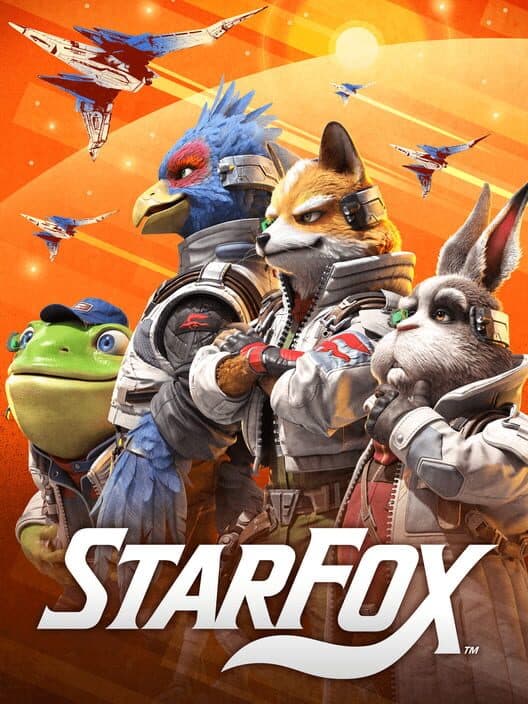
Star Fox
Nintendo • 2026 • Nintendo Switch 2
Is Star Fox Worth It?
Yes, if you want a short, punchy action game you'll actually replay. Star Fox is at its best for players who love sharp arcade combat, clean weeknight sessions, and the satisfaction of seeing a route improve with each run. The flying feels great right away, and the upgraded visuals, voice work, and music help the whole thing feel more substantial than a simple nostalgia trip. What it asks from you is simple but real. Missions are short, yet they want full attention while you're in the cockpit. You won't get deep character building, open-world wandering, or a long first playthrough. The value lives in branching paths, better scores, Challenge Mode, and optional co-op or Battle Mode. Buy at full price if replayable action is exactly what you want and you like mastering short runs. Wait for a sale if you mainly want one story campaign and rarely revisit games after credits. Skip it if a one-to-two-hour first route sounds thin no matter how polished the action feels.
What is Star Fox like?
Opinions of Star Fox
What Players Love
- Players Love
Flight combat feels sharp right from the first mission
Players consistently say the flying and shooting click immediately, with responsive controls, readable enemy waves, and a satisfying rhythm to every dogfight.
- Players Love
Visuals, music, and cutscenes make the remake feel premium
Even mixed reviews often praise the orchestral soundtrack, overhauled stages, and stronger presentation, which help this feel bigger than a basic touch-up.
- Players Love
Co-op and Battle Mode add more staying power
Many players came away pleasantly surprised by the extra modes, saying they give the game a reason to stay installed after a few solo campaign runs.
Common Concerns
- Common Concern
Short campaign can make the package feel slight
The most common hesitation is value. One route is very short, so players who do not enjoy replaying paths may feel the game runs out of surprises fast.
- Common Concern
Options and control support lag behind modern standards
Several reviews call out thinner accessibility and remapping support than many current first-party releases, which may matter if you need strong comfort options.
Divisive Aspects
- Divisive
New voices and character redesigns split longtime fans
A noticeable group of returning fans dislikes the updated performances or more realistic look, while others accept them as part of the remake's new identity.
What does Star Fox demand from you?
Time
LOWTime
One route is brief, the full payoff takes a few repeat runs, and the game's clear mission breaks make it easy to fit around real life.
Focus
MODERATEFocus
Short stages fit busy nights, but every live second wants your full eyes-on-screen attention, quick aiming, and steady little corrections to survive.
Challenge
LOWChallenge
You can learn the basics in an evening, then decide how deep you want to go with cleaner routes, medals, and higher-difficulty replay.
Intensity
MODERATEIntensity
This is exciting rather than punishing: lots of lasers, near misses, and boss pressure, but quick retries and a bright tone keep the stress manageable.
Frequently Asked Questions
You Might Also Like
Games with a similar rhythm and feel, even if they look different