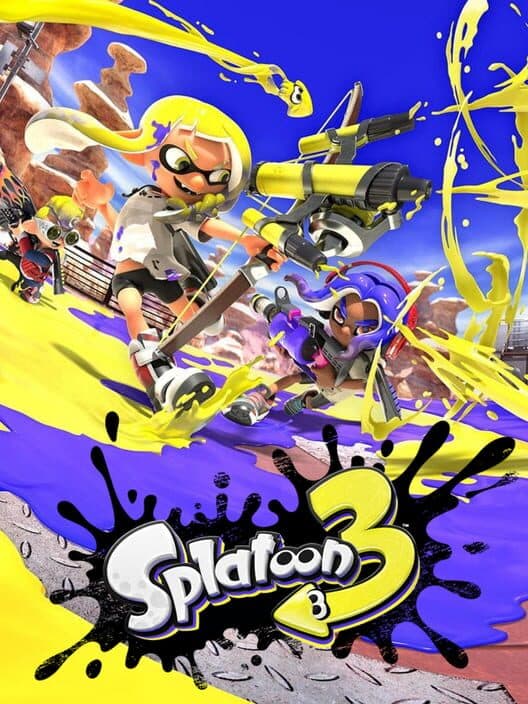
Splatoon 3

Nintendo2022Nintendo Switch 2, Nintendo Switch

Colorful 4v4 ink battles in three-minute bursts

Fast, skill-based shooter with playful ink combat

Best for short online sessions, solo or with friends

Is Splatoon 3 Worth It?

Splatoon 3 is worth it if you enjoy fast, stylish shooters and want something you can genuinely enjoy in short bursts. The core appeal is clear: tightly tuned three-minute matches, a fantastic sense of movement, and a world overflowing with color and personality. It asks you for decent reflexes, a stable internet connection, and a tolerance for win–loss swings rather than a long attention span or deep story investment. In return, you get a game that turns even 30–60 minute sessions into real progress: new weapons, gear, catalog levels, and visible skill growth. The single-player campaign is a clever bonus rather than the main course, so story-focused players may feel underfed. If you mostly want an offline narrative or hate competitive play, this isn’t a great fit. Buy at full price if you see yourself regularly jumping into Turf War or Salmon Run over months. If you’re mainly curious about the campaign, or you’re unsure about online shooters, it’s better as a sale pick or skip.

When is Splatoon 3 at its best?

When you’ve got 45–60 minutes on a weeknight and want something energetic but low-commitment, a handful of Turf War matches will scratch the action itch nicely.

When a friend or older child is free for an hour, queue together for Turf War and Salmon Run for lighthearted teamwork without needing voice chat or huge coordination.

When your schedule is unpredictable and you can’t guarantee long sessions, Splatoon 3’s three-minute matches let you jump in, play a bit, and bail without guilt.

What is Splatoon 3 like?

Splatoon 3 is unusually friendly to tight schedules. Its entire structure is built around three-minute matches and short flexible activities, so you can get meaningful play from even a half-hour window. A typical night might be a quick shop check, four or five Turf War games, maybe a Salmon Run shift or a campaign level, then out. Every match is a clean stopping point, and autosaves between activities mean you can safely quit from the plaza whenever real life calls. To feel like you’ve “seen” what the game offers, you’re looking at maybe 15–25 hours spread across weeks: finishing the campaign, finding a favorite weapon, and sampling main modes. Beyond that, it becomes an evergreen online hobby you dip into when the mood strikes. The main caveats are that matches can’t be paused, you need a stable connection, and most of the long-term fun lives in multiplayer. If you’re okay with three-minute uninterruptible slices and an online focus, it fits adult schedules very well.

Tips

  • Aim for 30–60 minute blocks so you can warm up, play several matches, then stop before fatigue or frustration creep in.
  • If your life is interruption-prone, stick mostly to Turf War; its short, self-contained matches handle surprise distractions better than ranked series or longer Salmon Run shifts.
  • Keep your Switch in sleep mode between play bursts to skip extra startup friction like news segments when time is limited.

During a typical session you’re almost always “on” when a match is running. You’re tracking ink coverage, enemy positions, teammate locations, and your special meter, then making constant snap decisions about where to move and when to fight. The game leans more on reflexes and spatial awareness than slow planning, but your brain still has plenty to juggle in those three-minute bursts. Looking away from the screen mid-match is usually punished, so this isn’t something you can comfortably multitask with once you’re in a lobby. The saving grace is how short each battle is. You only need to maintain that high attention level for a few minutes, then you get a breather in menus or the plaza. For a tired adult, that makes the game feel like a series of sprints instead of a marathon. If you have even a sliver of focus left at the end of the day, Splatoon 3 can use it well without completely draining you.

Tips

  • Treat each match like a short sprint: silence notifications and distractions for three minutes, then relax between games while browsing gear or shops.
  • Stick with one main weapon per night so your hands remember the rhythm and you don’t burn focus constantly adjusting to new aiming styles.
  • If you’re feeling mentally tired, favor casual Turf War over ranked modes; lower stakes make it easier to stay sharp without getting tense.

Splatoon 3 is approachable, but not brainless. You’ll grasp the basics—cover ground with ink, swim in your color, avoid enemy ink—within minutes. Reaching real comfort takes a handful of evenings: dialing in motion controls, learning how your chosen weapon wants to be played, and understanding common map routes. That’s a moderate learning curve, noticeable but manageable for someone with limited time. The payoff for improvement is strong. As you internalize movement tech and map layouts, you’ll survive longer, use specials more effectively, and start steering matches instead of reacting to them. Because battles are short, you see the results of new habits quickly, which makes small practice sessions feel worthwhile. Importantly, you don’t need to chase top ranks to enjoy this; even casual Turf War gets more fun as your instincts sharpen. For adults who like feeling themselves get better in bite-sized chunks, Splatoon 3 offers a generous return on each bit of effort you invest.

Tips

  • Use the campaign to experiment with weapons and movement without PvP pressure; it’s a gentle place to build fundamentals before living online.
  • Pick one weapon class to focus on first; depth with a single tool beats constant hopping between unfamiliar setups.
  • After each session, choose one tiny improvement goal for next time, like using your special earlier or checking the map more often.

Emotionally, Splatoon 3 sits in a sweet spot between chill and sweaty. Matches are fast, scores can swing wildly in the last seconds, and you’ll definitely feel a jolt of adrenaline during close games. But the colorful world, goofy weapons, and quick respawns keep that tension from curdling into dread or frustration for most players. Getting splatted is more slapstick than brutal, and a loss costs only a few minutes of your time. Difficulty is moderate: you’ll often be outplayed or run into stronger teams, yet the game rarely feels mean. Hero Mode has some tricky platforming and boss fights, but generous checkpoints prevent long punishment loops. Ranked play and higher Salmon Run levels can push intensity up noticeably, especially if you care about your performance. For a typical busy adult sticking to Turf War and midrange co-op, the emotional ride is energetic and engaging rather than exhausting, as long as you’re okay with competitive ups and downs.

Tips

  • If you notice frustration rising after a rough streak, swap to Salmon Run or single-player for a calmer change of pace before calling it a night.
  • Set a clear ‘last match’ before you start; don’t let one close loss drag you into a long, stressful extra session.
  • Avoid diving straight into ranked after a draining day; warm up with casual Turf War until the game feels fun instead of demanding.

Frequently Asked Questions