hello@slated.gg
Powered by IGDB•Privacy•Terms

© 2026 Slated.gg

Slated.gg
Popular GamesAbout

Dragon Quest Builders 2

Nintendo • 2018 • PlayStation 4, PC (Microsoft Windows), Xbox One, Nintendo Switch
Relaxing & low-pressureGreat for winding downLighthearted & fun

Is Dragon Quest Builders 2 Worth It?

Yes, Dragon Quest Builders 2 is worth it if you like building but want the game to give you reasons to build. Its big trick is turning creativity into visible payoff: every farm, bedroom, kitchen, and wall you place makes towns look better and work better, and villagers actually use what you made. That makes even a short session feel productive. The main cost is time and patience, not skill. The campaign is long, the opening hours talk a lot, and the sandbox stays more guided than totally free for a while. Combat is fine, not the draw. Buy at full price if guided creativity, cozy progression, and charming town life sound perfect to you. Wait for a sale if you're curious but wary of long dialogue, hand-holding, or weaker performance on Switch and very large builds. Skip it if you want tough combat, a fast start, or immediate unrestricted sandbox freedom from the first hour.

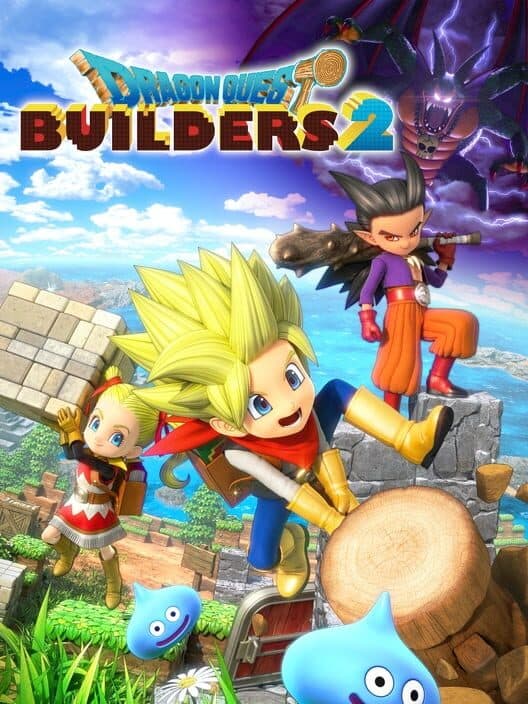
Dragon Quest Builders 2 cover art

Dragon Quest Builders 2

Nintendo • 2018 • PlayStation 4, PC (Microsoft Windows), Xbox One, Nintendo Switch

Relaxing & low-pressureGreat for winding downLighthearted & fun

Is Dragon Quest Builders 2 Worth It?

Yes, Dragon Quest Builders 2 is worth it if you like building but want the game to give you reasons to build. Its big trick is turning creativity into visible payoff: every farm, bedroom, kitchen, and wall you place makes towns look better and work better, and villagers actually use what you made. That makes even a short session feel productive. The main cost is time and patience, not skill. The campaign is long, the opening hours talk a lot, and the sandbox stays more guided than totally free for a while. Combat is fine, not the draw. Buy at full price if guided creativity, cozy progression, and charming town life sound perfect to you. Wait for a sale if you're curious but wary of long dialogue, hand-holding, or weaker performance on Switch and very large builds. Skip it if you want tough combat, a fast start, or immediate unrestricted sandbox freedom from the first hour.

What is Dragon Quest Builders 2 like?

Opinions of Dragon Quest Builders 2

What Players Love

Common Concerns

Divisive Aspects

Players Love

Guided building gives every session a clear purpose

Players love that quests always give them a reason to gather, build, and improve. It keeps creativity focused, so even short sessions end with visible progress.

Common Concern

The opening hours are slow, wordy, and over-explained

Many players warn that early dialogue runs long and tutorials linger. The freedom opens up later, but the first stretch can test your patience.

Divisive

The story structure helps some players, limits others

Some players love having clear goals and paced unlocks. Others wish the game stepped back sooner so they could build freely without mandatory story beats.

Players Love

Villagers make your towns feel busy and alive

NPCs farm, cook, sleep, comment on rooms, and use the spaces you create. That feedback makes settlements feel inhabited instead of like static decoration.

Common Concern

Large builds can expose camera and performance issues

Frame-rate drops, awkward camera behavior, and general clunkiness show up more often on weaker hardware or very busy islands, especially later on.

Players Love

Guided building gives every session a clear purpose

Players love that quests always give them a reason to gather, build, and improve. It keeps creativity focused, so even short sessions end with visible progress.

Players Love

Villagers make your towns feel busy and alive

NPCs farm, cook, sleep, comment on rooms, and use the spaces you create. That feedback makes settlements feel inhabited instead of like static decoration.

Common Concern

The opening hours are slow, wordy, and over-explained

Many players warn that early dialogue runs long and tutorials linger. The freedom opens up later, but the first stretch can test your patience.

Common Concern

Large builds can expose camera and performance issues

Frame-rate drops, awkward camera behavior, and general clunkiness show up more often on weaker hardware or very busy islands, especially later on.

Divisive

The story structure helps some players, limits others

Some players love having clear goals and paced unlocks. Others wish the game stepped back sooner so they could build freely without mandatory story beats.

What does Dragon Quest Builders 2 demand from you?

Time

MODERATE

Time

The campaign is long but flexible, fitting neat evening chunks through clear quests, easy saving, and mostly solo play, even if projects can tempt overtime.

MODERATE

This is a sizable game, but it is kinder to a busy schedule than many long adventures. The full story and a satisfying amount of base building usually take multiple weeks, yet the minute-to-minute structure works nicely in evening chunks. One material run, one room build, one quest turn-in, or one blueprint section can all feel like a real session. Full pause and generous saving help a lot, especially in solo play, and the game is very good about reminding you what matters next when you come back. The main time risk is momentum. Finish one useful task and the game often hands you two more interesting ones, so stopping can be harder than surviving. Social commitment stays low because the core experience is built for solo, with online building as a bonus rather than an obligation. It asks for a long runway overall, but not for marathon nights. In return, it gives unusually visible progress even when you only have an hour and change to spare.

Tips

  • End sessions after a quest turn-in or blueprint milestone; those moments save cleanly and make it much easier to remember your next step.
  • Treat the Isle of Awakening as dessert, not homework, until the story tools open up; otherwise you can sink hours before the game shows its best options.
  • If you are short on time, ignore beautifying every room immediately and finish the required build first so each night still ends with clear progress.

Focus

MODERATE

Focus

Steady planning matters more than fast reflexes, with most attention spent on materials, room rules, and settlement layout instead of surviving brutal fights.

MODERATE

This game asks for steady attention, not white-knuckle concentration. Most of your brainpower goes to practical things: remembering what a villager asked for, checking which materials you still need, figuring out where a room should go, and deciding how much extra polish you want to add beyond the bare minimum. Combat and exploration keep you looking at the screen, but reflex pressure stays pretty low, and long stretches of safe building give you room to think. Because the campaign is so clear about goals, you rarely waste time wondering what to do next. The real work is choosing how to do it efficiently and how creative you feel tonight. That makes it a nice fit when you want to feel engaged without feeling drained. In return for that steady planning and light problem solving, the game gives you one of the most satisfying forms of progress around: you can see exactly what your evening produced the moment you put the controller down.

Tips

  • Pick one town goal before leaving base so your material run stays focused instead of turning into a long, forgetful wandering trip.
  • Use storage and signs neatly around work areas; clear organization cuts down on recipe checking and makes short sessions much smoother.
  • When a blueprint is required, finish the functional parts first and save decoration for later so you keep momentum without losing the creative payoff.

Challenge

MODERATE

Challenge

It teaches slowly and clearly, so basic play comes easy; the real growth is learning smarter layouts, better town flow, and how much freedom to add.

MODERATE

This is much easier to learn than it first appears. The game has a lot of systems, but it introduces them one layer at a time through story islands, villager requests, and recipe checks. That slow onboarding has a cost: the opening can feel wordy and over-explained. The upside is that most players reach comfort with the core loop well before the credits. You do not need elite combat skill, strict timing, or deep outside research to succeed. The real long-term growth comes from getting faster at reading build requirements, making towns that function smoothly, and turning simple blueprints into places that actually feel like yours. It asks for patience with the tutorial-heavy early hours and a little willingness to experiment. In return, it delivers a welcoming path from "I can follow directions" to "I know how to make this place sing." If you enjoy learning by doing, it is generous. If you hate being taught step by step, the early game will feel slower than the systems really are.

Tips

  • Let the game teach room recipes before trying giant custom projects; early structure makes later freebuilding much easier and less frustrating.
  • Do not overbuild too early on each island, because new tools and room types arrive steadily and often make old layouts worth rethinking.
  • When stuck, reread the current request and room requirements carefully; most roadblocks come from a missing item or layout detail, not hidden rules.

Intensity

LOW

Intensity

This is a cozy, upbeat adventure with brief combat spikes, asking for patience during raids and bosses but usually paying you back with calm, constructive satisfaction.

LOW

The emotional rhythm here is mostly gentle. A normal session feels calm, cheerful, and productive as you gather supplies, build out rooms, harvest crops, and watch villagers react to your work. Failure is usually light, so you are not carrying the constant dread you get in harsher survival games or punishing action games. The pressure rises during boss fights, town-defense scenes, or moments when you wander out underprepared, but those stretches are short and easy to recover from. The bigger mood driver is the tone: bright visuals, playful writing, and lively NPC behavior keep the whole thing feeling warm even when the story gets more dramatic. In other words, it asks for small bursts of readiness rather than long stretches of stress. What you get back is a game that feels lively enough to stay interesting but rarely so intense that it ruins a tired evening. If you like cozy games with a little motion and a little danger, this balance is one of its best tricks.

Tips

  • Carry cooked food and a few healing items before every outing; that keeps sudden fights feeling like brief speed bumps instead of annoying setbacks.
  • Upgrade gear when an island starts pushing back, because difficulty spikes usually come from being underprepared more than from demanding combat mechanics.
  • If a defense mission sounds stressful, tidy your base and place defenses first; a few minutes of prep makes those set pieces much calmer.

Frequently Asked Questions

You Might Also Like

Games with a similar rhythm and feel, even if they look different
My Time at Sandrock game cover art
Relaxing & low-pressureGreat for winding down

My Time at Sandrock

Time
HIGH
Focus
MODERATE
Challenge
MODERATE
Intensity
VERY LOW
Rune Factory: Guardians of Azuma game cover art
Relaxing & low-pressureGreat for winding down

Rune Factory: Guardians of Azuma

Time
MODERATE
Focus
MODERATE
Challenge
MODERATE
Intensity
LOW
Spiritfarer game cover art
Relaxing & low-pressureLighthearted & fun

Spiritfarer

Time
MODERATE
Focus
LOW
Challenge
LOW
Intensity
VERY LOW
Hogwarts Legacy game cover art

Hogwarts Legacy

Time
MODERATE
Focus
MODERATE
Challenge
MODERATE
Intensity
MODERATE
Dinkum game cover art
Relaxing & low-pressureLighthearted & fun

Dinkum

Time
MODERATE
Focus
LOW
Challenge
LOW
Intensity
VERY LOW
No Man's Sky game cover art
Great for winding downRelaxing & low-pressure

No Man's Sky

Time
MODERATE
Focus
MODERATE
Challenge
MODERATE
Intensity
LOW
← Back to Home