hello@slated.gg
Powered by IGDB•Privacy•Terms

© 2026 Slated.gg

Slated.gg
Popular GamesAboutDiscover Games
RockBeasts

Team17 • 2027 • Xbox Series X|S, Nintendo Switch 2, PC (Microsoft Windows), PlayStation 5, Nintendo Switch
Satisfying to completeRelaxing & low-pressureStory-driven
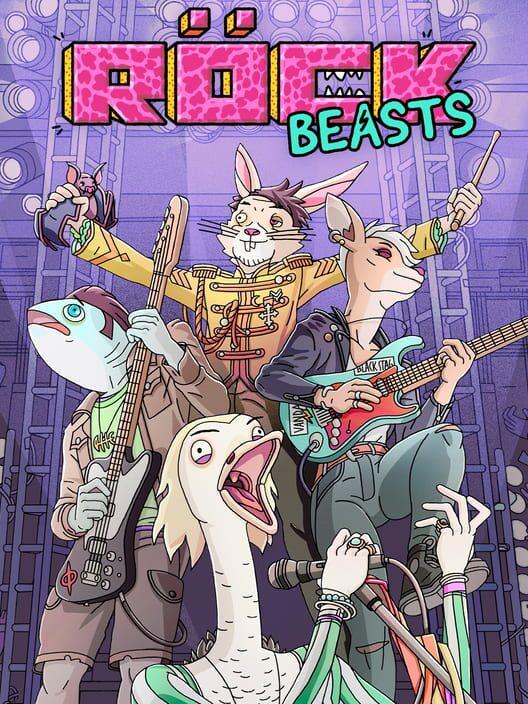
RockBeasts cover art

RockBeasts

Team17 • 2027 • Xbox Series X|S, Nintendo Switch 2, PC (Microsoft Windows), PlayStation 5, Nintendo Switch

Satisfying to completeRelaxing & low-pressureStory-driven

Is RockBeasts Worth It?

RockBeasts looks worth it if you want character drama, meaningful choices, and the fantasy of steering a chaotic band toward greatness. The big caveat is that this verdict is still based on the demo and preview coverage, not final launch reception. What already looks special is the mix: you are not just clicking through story scenes or just running a spreadsheet. You are handling moods, money, gear, gigs, label politics, and then stepping into short performance sections that make the planning feel tangible. Buy at full price if that mix sounds tailor-made for you and the demo's controls feel good on your setup. Wait for launch reviews or a sale if you are sensitive to rough tutorials, controller quirks, or unclear systems, because those are the biggest warning signs so far. Skip it if you dislike dialogue-heavy games, mature rock-scene humor, or the animal-band presentation. For the right player, it could be a memorable, story-rich ride. For the wrong one, it may feel like reading and menu work interrupted by style.

What is RockBeasts like?

Opinions of RockBeasts

What Players Love

  • Players Love

    The 90s rock atmosphere and soundtrack really land

    Players and previewers keep praising the smoky club vibe, hand-drawn look, sharp writing, and songs that make the rise from basement gigs to stardom feel believable.

  • Players Love

    Management, dialogue, and performances make a fresh blend

    The hook is how planning rehearsals, handling band drama, and then playing simplified shows all feed into one another, making sessions feel more varied than expected.

Common Concerns

  • Common Concern

    Controller and input support still need more work

    Several demo players mention awkward controller navigation, hardcoded keyboard habits, or missing remap options. If controls matter to you, test the demo first.

  • Common Concern

    Tutorials and polish feel rough in places right now

    The demo wins people over, but some systems are not explained clearly and a few preview builds reported rough edges. Expect some early confusion unless launch smooths it out.

Divisive Aspects

  • Divisive

    The animal band style is a real taste filter

    For some players, the anthropomorphic cast and dark comedy are part of the charm. For others, that same look is enough to bounce off before the story starts.

What does RockBeasts demand from you?

Time

MODERATE

Time

A full run seems like a multi-week story told in neat episode-sized chunks, with good pause support but some uncertainty around auto-save timing.

MODERATE

A single playthrough looks like a real commitment, but a manageable one. Based on the current episode structure and preview estimates, most players should expect roughly 18 to 30 hours for one main run, with more if they replay for different choices and endings. The nice part is that those hours seem to come in tidy chunks. A gig, a negotiation, or an episode beat sounds like a natural stopping point, so 60 to 90 minute sessions should still feel productive. This is also clearly a solo game, which removes the usual scheduling headache. Full pause support helps if life interrupts. The bigger question mark is saving. Current evidence points to automated saving rather than free manual saves, so it may be smartest to stop after a clearly resolved moment instead of in the middle of a chain of scenes. Coming back after a week should be doable, but not effortless. You will likely need a few minutes to remember who is upset, what the finances look like, and which opportunity you were about to chase.

Tips
  • Aim for one gig or one episode beat per sitting. That cadence fits the structure and keeps cliffhangers feeling fun instead of exhausting.
  • Because saves appear automated, quit after a clear story beat or venue outcome whenever possible instead of assuming every screen change is recorded.
  • After a week away, spend a few minutes reacquainting yourself with finances, band mood, and pending gigs before making big choices.

Focus

MODERATE

Focus

Most of your time goes to reading scenes, weighing tradeoffs, and tracking the band's health, with only brief timing-based spikes once the show starts.

MODERATE

RockBeasts asks for steady attention more than lightning reflexes. Most of a session seems spent reading conversations, checking cash, mood, gear, and upcoming gigs, then deciding which fire to put out first. That means you can physically pause when life interrupts, but you probably will not want a second screen running if you care about the story or the consequences of your choices. A missed line of dialogue or a half-read menu can matter later. The good news is that the game does not appear mentally overwhelming in the grand-strategy sense. You are usually managing one band, one short list of problems, and one next milestone. The concert sections briefly change the texture with simple rhythm prompts, but they look like short spikes rather than the main event. In practice, the game asks you to stay present, read carefully, and think a step ahead. In return, it delivers the fun of feeling like the only semi-competent adult in a talented, unstable band.

Tips
  • Before booking a gig, pause and scan cash, morale, gear, and upcoming needs; most bad nights start with one neglected meter.
  • Treat dialogue like resource management too. A careless answer can matter as much as skipping rehearsal or underfunding repairs.
  • Use performance sections as short execution checks, not skill showcases. If you can keep the beat calmly, planning will do most work.

Challenge

MODERATE

Challenge

It takes a few sessions to understand how rehearsals, morale, money, and choices connect, yet the core loop looks more learnable than punishing.

MODERATE

Learning RockBeasts should feel more like settling into a new job than training for a brutal test. The early hours ask you to understand how rehearsals, repairs, moods, deals, and setlists affect one another, while also teaching you what concert performance actually checks. That is more involved than a simple story game, but it still looks approachable because each system seems tied to the same clear goal: keep the band functional and moving forward. The main caveat is clarity. Demo feedback suggests some menus, tutorials, and controls are rough around the edges, so your first few sessions may feel harder because information is not always presented cleanly. That is a usability problem as much as a skill problem. Once the loop clicks, the challenge looks moderate rather than severe. The game seems interested in consequences, not humiliation. You may get weaker outcomes, strained relationships, or rough gigs, but not constant restart-level punishment. It asks for patience, observation, and a willingness to learn by doing. In return, it should give you the satisfying feeling of slowly becoming a sharper manager.

Tips
  • Give the first two or three sessions some grace. Once the loop clicks, the game should feel much less intimidating.
  • Prioritize understanding what drives morale, money, and performance before chasing ideal outcomes. Stable basics matter more than perfect branching.
  • If controls feel awkward, especially on controller, test bindings and input behavior early. Compatibility may matter more than raw difficulty.

Intensity

LOW

Intensity

Pressure comes from fragile relationships, thin budgets, and gig consequences, but the game feels tense in a simmering way, not a heart-racing one.

LOW

RockBeasts looks more simmering than punishing. The stress seems to come from watching money run low, relationships wobble, and big career choices threaten the band's identity. That can create real tension, especially when a show is coming up and you know one bad call might cost morale, fans, or a better future. Still, this is not the kind of game that should leave your hands sweaty for hours. There is no combat, no horror pressure, and the performance segments appear simple enough that most players will feel alert rather than panicked. That balance matters. The game asks you to care about messy people and live with imperfect outcomes, then pays you back with drama that feels personal instead of random. A failed gig or awkward deal looks less like a hard wall and more like a story turn you now have to own. The tone helps too: the animal cast, music-scene satire, and dark humor keep the mood lively even when the band is one argument away from disaster.

Tips
  • Play when you can read closely. The pressure comes more from consequences and band drama than fast hands or constant danger.
  • If a gig goes badly, do not assume the run is ruined. The game seems built around messy outcomes, not perfect-score play.
  • Expect mature references and sharp language throughout. It is more late-night dark comedy than cozy comfort food.

Frequently Asked Questions

RockBeasts looks medium rather than hard. It does not seem mechanically demanding most of the time, and the rhythm sections are described as fairly simple, so this should land far below expert-level music games or punishing sims. The real challenge comes from juggling several linked problems at once: money, morale, gear, rehearsal time, gigs, and dialogue choices that can reshape relationships or push the band toward different futures. Hard to learn and hard to master are different here. Basic competence should come after a few sessions, once you understand what the game cares about and how one bad choice can ripple into the next event. Think more along the lines of a choice-heavy management drama than Crusader Kings or Guitar Hero on high difficulty. The bigger risk is rough onboarding. Right now, some of the friction seems tied to unclear tutorials and input issues rather than deep systems alone. If launch smooths that out, most players should find it manageable. If you hate living with messy consequences, though, it may feel tougher than its mechanics suggest.

Expect roughly 18 to 30 hours for a main run, and 30 to 40+ if you replay for alternate endings or dig into more branches. Those numbers are still estimates because the full release was not live at analysis time, but the 17-episode structure points to a substantial single playthrough rather than a giant endless sim. The good news is that the game seems friendly to shorter evenings. A typical session can cover one gig, one negotiation, or one chunk of story, so 60 to 90 minutes should still produce clear progress. Full pause support helps when life interrupts, and the episode framing creates natural spots to stop. The catch is saving. Current evidence suggests automated saves, so you may want to quit after a clearly resolved beat instead of assuming you can safely stop anywhere. If you only want one complete band story, this looks like a multi-week commitment. If you want to see several paths, it could become a much longer hobby.

RockBeasts looks moderately stressful in a good, story-driven way. The main pressure comes from keeping a shaky band together, stretching thin resources, and living with the consequences of negotiations, gigs, and personal choices. That can create a steady knot of tension, especially when cash is low and one mistake could hurt morale or reputation. It is less about adrenaline and more about social and financial pressure. The good news is that this does not look like horror stress or action-game panic. There is no combat, and the performance sections appear short and fairly manageable. Most players are more likely to feel concerned, invested, or mildly anxious than truly overwhelmed. The less good kind of stress may come from rough controls or unclear tutorials if those issues remain at launch, because friction outside the drama can sour the mood. Best time to play: when you have enough energy to read closely and make choices you care about. It may not be ideal as pure background gaming, but it also should not feel like a punishing late-night ordeal.

Yes. RockBeasts is built as a solo experience, and that actually suits the game well. All signs point to a single-player campaign where you pause, read, plan, and make decisions at your own pace without needing friends, matchmaking, or recurring group schedules. If you want a game you can own privately and chip away at in evening sessions, this looks like the intended way to play. It also seems reasonably friendly to casual scheduling, with a few caveats. The episode structure and gig-based flow should create good stopping points, and full pause support means real-life interruptions are not a disaster. The bigger caution is that automated saving may limit exactly where you stop, so it is smarter to end after a clear scene or venue outcome. Coming back after a week should be doable, but you may need a short recap because band relationships, finances, and pending gigs can blur together. So yes, it is absolutely soloable. Just do not expect mindless drop-in comfort. It is a story-heavy management game that rewards remembering what is going on.

No. Everything currently points to RockBeasts being a standard one-time purchase with no pay-to-win systems. Official store pages describe a premium release, and there is no sign of card packs, resource boosts, timers, ranked advantages, or cash-shop shortcuts tied to success. That matters even more here because the game's appeal is about living with your decisions, not buying your way out of them. The only confirmed extra option so far is a free demo, which is exactly what you want from a game with possible control and onboarding concerns. It lets you check whether the writing, management loop, and input feel work for you before spending money. Because this is also a single-player game, there is no competitive economy to distort and no pressure to keep up with other players through spending. Of course, future post-launch DLC or cosmetic extras are always possible in theory, but there is no evidence of them being required for progress or advantage. Based on what is verifiable now, you can treat RockBeasts as buy once, play the whole thing, and succeed through choices rather than your wallet.

You Might Also Like

Games with a similar rhythm and feel, even if they look different
Explore more→
Grave Seasons game cover art
Satisfying to completeStory-driven

Grave Seasons

Time
MODERATE
Focus
MODERATE
Challenge
MODERATE
Intensity
LOW
Persona 3 Reload game cover art
Story-driven

Persona 3 Reload

Time
HIGH
Focus
MODERATE
Challenge
MODERATE
Intensity
LOW
Ithaca game cover art
Satisfying to completeStory-driven

Ithaca

Time
LOW
Focus
MODERATE
Challenge
LOW
Intensity
LOW
Persona 5 Royal game cover art
Story-driven

Persona 5 Royal

Time
VERY HIGH
Focus
MODERATE
Challenge
MODERATE
Intensity
MODERATE
Discounty game cover art
Relaxing & low-pressureSatisfying to complete

Discounty

Time
MODERATE
Focus
MODERATE
Challenge
LOW
Intensity
LOW
Persona 4 Revival game cover art
Story-driven

Persona 4 Revival

Time
HIGH
Focus
MODERATE
Challenge
MODERATE
Intensity
LOW
← Back to Home