hello@slated.gg
Powered by IGDB•Privacy•Terms

© 2026 Slated.gg

Slated.gg
Popular GamesAboutDiscover Games
Pony Island 2: Panda Circus

Daniel Mullins Games • 2027 • PC (Microsoft Windows)

Story-driven
Pony Island 2: Panda Circus cover art

Pony Island 2: Panda Circus

Daniel Mullins Games • 2027 • PC (Microsoft Windows)

Story-driven

Is Pony Island 2: Panda Circus Worth It?

Probably yes if you already enjoy Daniel Mullins-style weirdness, creepy humor, and puzzles that hide answers in plain sight. Based on current preview material, this looks like a compact, hand-built mystery box rather than a bloated forever game. The big draw is density: strange interfaces, secret-heavy exploration, underworld mythology, and constant little shifts in how the game asks you to think. The catch is that it also looks deliberately opaque. Progress may depend on noticing tiny clues, remembering odd symbols, and accepting that the game will sometimes mislead you on purpose. If you want clear instructions, cozy puzzle solving, or something you can half-watch while doing other things, this may be a frustrating fit. Buy at full price if you loved Pony Island, Inscryption, or any game that makes you feel clever and unsettled at the same time. Wait for reviews if you need reassurance on save flexibility, difficulty tuning, or how polished the final action segments are. Skip it if you hate cryptic design or horror imagery.

What is Pony Island 2: Panda Circus like?

Opinions of Pony Island 2: Panda Circus

What Players Love

  • Players Love

    Players trust the creator to deliver another layered mind-bender

    Even before launch, discussion leans on goodwill from Pony Island, The Hex, and Inscryption. Many fans expect clever twists, hidden layers, and bold misdirection.

  • Players Love

    Gameplay variety and lore links are driving most excitement

    Preview reactions focus on the wild mix of deduction, exploration, strange side activities, and possible shared-universe connections that reward close attention.

Common Concerns

  • Common Concern

    Long development and quiet stretches tested fans' patience

    One of the few recurring complaints is the wait itself. Sparse updates and shifting expectations left some followers eager for clearer timing and steadier communication.

Divisive Aspects

  • Divisive

    Newcomers are still unsure how approachable the game will be

    The deliberate ambiguity excites returning fans, but some newer players still are not sure what moment-to-moment play looks like or how much prior knowledge helps.

What does Pony Island 2: Panda Circus demand from you?

Time

MODERATE

Time

This looks like a finite 10 to 20 hour solo trip that's easy to pause, but harder to resume cold if you forget your clues.

MODERATE

For anyone trying to fit games around a busy week, the big appeal here is that it appears complete-able. Current estimates suggest roughly 10 hours to rush the main path and closer to 12 to 18 hours for a more natural playthrough with some secret-hunting. That is long enough to feel substantial, but still finite enough that you can actually finish it without reshaping your life around it. The solo structure helps a lot. There are no group obligations, no live-service pressures, and public info points to full pause support. That makes moment-to-moment interruptions fairly manageable. The weaker spot is remembering where you were. Because the game seems to rely on clues, symbols, and half-solved threads, coming back after a week may cost you a few minutes of reconstruction. The save picture is also a little fuzzy, with autosaves likely but manual save-anywhere not confirmed. So the time ask looks reasonable overall, provided you give yourself little mental breadcrumbs between sessions.

Tips
  • Aim to end sessions after a solved puzzle or story reveal. That gives you a clean emotional stop and a useful mental bookmark.
  • If you take a week off, spend two minutes reviewing notes or your inventory before wandering. The return cost seems mostly memory, not mechanics.
  • Auto-save should help, but do not assume perfect quit-anywhere freedom. Finish the current scene before closing the game if possible.

Focus

HIGH

Focus

This is a heads-up mystery box with lots of reading, noticing, and rethinking, plus short reflex bursts mixed into longer stretches of careful puzzle work.

HIGH

This looks like a game that wants your full brain, not your spare brain. Most of the effort seems to come from reading odd interfaces, noticing visual details, connecting clue threads, and questioning whether the game is being honest with you. The action bits matter, but they appear to be short spikes inside a broader loop of observation and deduction. That means the real ask is concentration and memory more than fast hands. In return, it seems built to deliver frequent little shocks of recognition. A symbol finally clicks. An item makes sense three rooms later. A joke screen turns into an actual lead. That kind of payoff can feel great in shorter sessions, but only if you meet the game halfway and stay present. This is probably not a second-screen game, and it is a poor fit when you're half-tired or constantly checking your phone. If you enjoy feeling slightly confused until a clean aha moment lands, this looks very promising.

Tips
  • Keep a small note file or screenshot folder for symbols, names, and odd clues. It should save you from re-solving the same mystery twice.
  • Play when you can give it real attention. Background TV or constant phone checking will make the clue chains feel much harder than they are.
  • If a puzzle stalls, back out and poke another tent or realm. Mullins-style games often reward fresh context more than brute-force persistence.

Challenge

MODERATE

Challenge

The hard part is learning how it thinks, with opaque rules, sideways solutions, and moments where stepping back matters more than raw mechanical skill.

MODERATE

This seems medium in difficulty overall, but in a very specific way. The hard part likely will not be fast inputs or punishing boss fights. It will be figuring out what the game is really asking, noticing when a clue matters, and accepting that a weird screen or throwaway object may be more important than it first looked. That kind of friction can feel tougher than a normal puzzle game because the rules themselves may be part of the mystery. The upside is that the learning seems tied to understanding, not grinding. Once you start reading the game's tone and habits, progress should become smoother. Short action scenes may still add a little pressure, but they do not look like the main barrier. That makes this a better fit for players who enjoy experimentation, lateral thinking, and the occasional mental reset. If you like clean tutorials and obvious next steps, it may feel slippery. If you like discovering how a game's mind works, it could be the exact kind of satisfying challenge you want.

Tips
  • Expect the hardest part to be figuring out the rules, not pressing buttons fast. Read carefully before assuming a screen is just decoration.
  • When something feels intentionally confusing, test one idea at a time. Small experiments beat random clicking in games built around hidden logic.
  • Don't worry about solving everything instantly. Later clues may reframe earlier problems, and delayed understanding is often part of the intended payoff.

Intensity

MODERATE

Intensity

It feels eerie more often than punishing, using dread, glitches, and underworld weirdness to keep you uneasy without turning every minute into panic.

MODERATE

The emotional pull here seems to come from unease, not relentless punishment. The underworld setting, demonic figures, broken-looking interfaces, and psychological horror framing should keep a steady layer of pressure on the whole experience. Even when nothing is chasing you, the game looks designed to make you suspicious of what you're seeing and slightly unsure of what is safe to trust. The good news is that this probably will not play like a nonstop panic machine. Public material suggests a rhythm of slow investigation, creepy reveals, and occasional action spikes rather than constant danger. Failure also does not appear especially harsh, which helps keep the tension from becoming exhausting. So the feeling you're buying into is closer to unsettled curiosity than punishing fear. That can be a great weeknight mood if you want something memorable and strange. It is less ideal if you want comfort food gaming, or if disturbing imagery tends to linger with you after you stop playing.

Tips
  • Treat the creepy parts like short bursts, not the whole meal. A reveal or chase can spike nerves, then the game should settle back down.
  • If surreal horror imagery sticks with you, avoid late-night marathon sessions. This seems best in alert, daylight moods rather than right before bed.
  • Use pauses freely during tense action beats. Stopping for thirty seconds can keep a stressful scene from turning into sloppy trial and error.

Frequently Asked Questions

Probably medium, and more confusing than brutal. Based on current previews, Pony Island 2 looks much harder to read than to physically play. The main challenge seems to come from figuring out what the game wants from you, spotting hidden meaning in weird screens, and adjusting when the rules suddenly shift. That is a very different kind of difficulty from a Souls game or a pure action game. If you have played Inscryption, The Hex, or the first Pony Island, the learning curve will likely feel familiar. You may spend a few minutes stuck because a clue did not register, not because your reflexes failed. Short action or duel-like segments could add some pressure, but they do not look like the main wall. So think of it as mentally slippery rather than mechanically brutal. Players who like tidy logic, clear tutorials, and obvious objectives may find it frustrating. Players who enjoy experimentation, note-taking, and the thrill of finally understanding a strange system will probably find it challenging in a good way.

Current estimates put Pony Island 2's critical path around 10 hours, with roughly 12 to 18 hours being the likeliest stopping point for someone who also pokes at side mysteries. If you chase more secrets, lore connections, and achievements, 20+ hours seems realistic. That makes it a finite project, not a lifestyle game. Session-wise, it looks well suited to 45 to 90 minute blocks. Solving a puzzle, opening a new area, or hitting a story reveal should give you decent places to stop, even if the game may not announce them as cleanly as a mission-based game does. Public info points to full pause, which helps a lot. The main unknown is saving: store data suggests autosaves, but there is no confirmed manual save-anywhere system yet. The biggest time tax is not length but memory. If you step away for a week, you may spend your first few minutes remembering which clue mattered and why. Notes or screenshots will help a lot.

Pony Island 2 looks more unsettling than exhausting. Based on current material, the main feeling is likely creepy curiosity: weird interfaces, underworld imagery, disturbing side content, and a steady sense that the game is messing with you. That can absolutely create stress, but it seems closer to background dread and occasional spikes than nonstop panic. The good kind of stress here is the thrill of not quite knowing what is real, then getting a satisfying reveal when pieces finally click. The bad kind will mostly come from getting mentally stuck or feeling uneasy from the horror imagery. It does not appear to be the kind of game that batters you with constant failure, which should keep frustration lower than in harsher action games. If you enjoy eerie, clever games and do not mind some demonic or crime-related imagery, this should feel tense in a memorable way. If surreal horror sticks with you, or if you want something soothing before bed, this is probably the wrong pick for that mood.

Yes. Pony Island 2 appears to be built completely around solo play, and that is one of its biggest strengths for anyone with an unpredictable schedule. There are no teammates to coordinate with, no raid nights, no PvP pressure, and no signs of online-only obligations. You can engage with the mystery at your own pace. That solo structure also makes it easier to fit into normal life. Public info points to full pause support, so quick interruptions should be manageable. A 60 to 90 minute session sounds ideal, but you likely will not need one huge uninterrupted block. The bigger issue is remembering your place if you leave for several days. This looks like a game where clue context matters more than muscle memory. So yes, it is very solo-friendly, and probably fairly schedule-friendly too. Just do yourself a favor and leave a note, screenshot, or mental bookmark before quitting. That small habit should make returning much smoother than trying to remember a half-solved mystery from scratch.

No, Pony Island 2 does not look pay-to-win in any way. Everything public points to a normal one-time purchase with no battle pass, no booster packs, no paid power, and no multiplayer economy to distort. Daniel Mullins has publicly talked about a likely premium price and specifically not planning pre-orders, which fits that model. That matters here because this kind of game relies on discovery. Hidden clues, weird reveals, and layered puzzle solving work best when the design is trying to surprise you, not upsell you. There is also no sign of gated hints, paid convenience items, or "skip the grind" purchases because there does not appear to be a grind loop in the first place. The only caveat is the obvious one: the game is still unreleased at the time of this analysis, so final store policies are not technically locked until launch. Still, based on every public signal so far, this looks about as far from pay-to-win as a modern PC release gets.

You Might Also Like

Games with a similar rhythm and feel, even if they look different

Explore more→
Lorelei and the Laser Eyes game cover art

Lorelei and the Laser Eyes

Time
MODERATE
Focus
HIGH
Challenge
MODERATE
Intensity
MODERATE
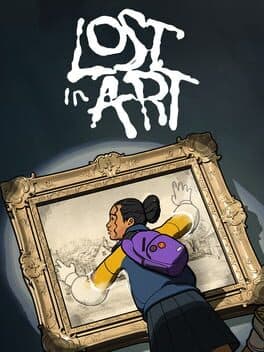
Lost in Art game cover art

Lost in Art

Time
LOW
Focus
MODERATE
Challenge
MODERATE
Intensity
MODERATE
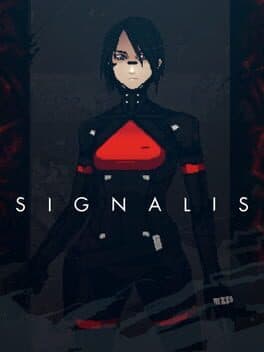
Signalis game cover art

Signalis

Time
MODERATE
Focus
HIGH
Challenge
MODERATE
Intensity
HIGH
XenoFeels game cover art

XenoFeels

Time
LOW
Focus
MODERATE
Challenge
MODERATE
Intensity
MODERATE
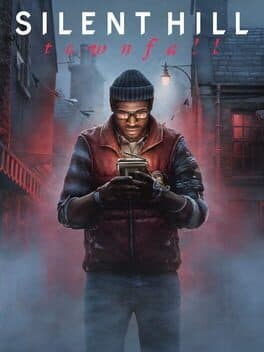
Silent Hill: Townfall game cover art
Story-driven

Silent Hill: Townfall

Time
LOW
Focus
HIGH
Challenge
MODERATE
Intensity
HIGH
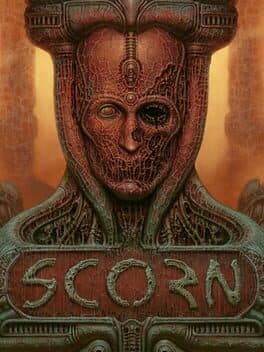
Scorn game cover art

Scorn

Time
LOW
Focus
MODERATE
Challenge
MODERATE
Intensity
MODERATE
← Back to Home