Powered by IGDB•Privacy•Terms

© 2026 Slated.gg

Slated.gg
Popular GamesAbout

Pokémon Pokopia

Nintendo • 2026 • Nintendo Switch 2
Satisfying to completeRelaxing & low-pressureGreat for winding down

Is Pokémon Pokopia Worth It?

Yes, Pokémon Pokopia is worth it if building a cozy Pokémon community sounds better to you than battling. Its big hook is watching a lonely, damaged world slowly come back to life because of your choices. Using familiar Pokémon moves to grow plants, open routes, and shape habitats gives the game a fresh identity, and the path to credits gives it a stronger sense of payoff than many open-ended comfort games. Buy at full price if you love decorating, gentle exploration, and the fantasy of living alongside Pokémon. It is especially easy to recommend if you enjoy games like Animal Crossing or Disney Dreamlight Valley but want a clearer ending. Wait for a sale if you are unsure about slower pacing, mildly cluttered management, or mostly play in handheld mode, where early players report softer image quality. Skip it if you want fast action, tough challenge, or constant step-by-step guidance. For the right player, it is warm, creative, and unusually easy to keep thinking about between sessions.

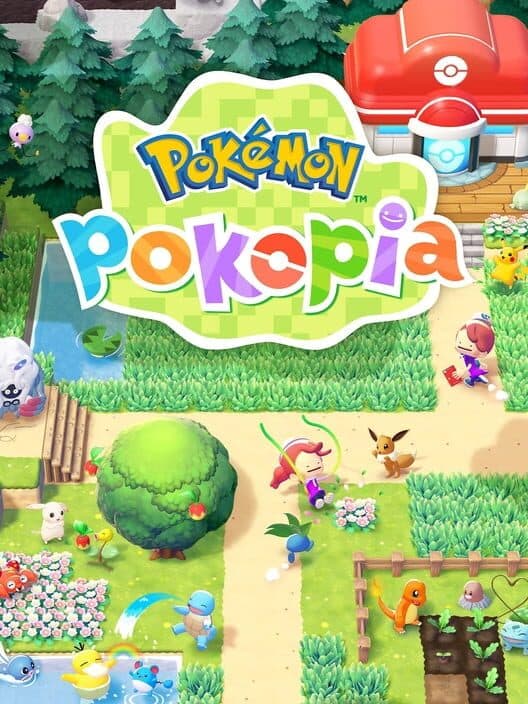
Pokémon Pokopia cover art

Pokémon Pokopia

Nintendo • 2026 • Nintendo Switch 2

Satisfying to completeRelaxing & low-pressureGreat for winding down

Is Pokémon Pokopia Worth It?

Yes, Pokémon Pokopia is worth it if building a cozy Pokémon community sounds better to you than battling. Its big hook is watching a lonely, damaged world slowly come back to life because of your choices. Using familiar Pokémon moves to grow plants, open routes, and shape habitats gives the game a fresh identity, and the path to credits gives it a stronger sense of payoff than many open-ended comfort games. Buy at full price if you love decorating, gentle exploration, and the fantasy of living alongside Pokémon. It is especially easy to recommend if you enjoy games like Animal Crossing or Disney Dreamlight Valley but want a clearer ending. Wait for a sale if you are unsure about slower pacing, mildly cluttered management, or mostly play in handheld mode, where early players report softer image quality. Skip it if you want fast action, tough challenge, or constant step-by-step guidance. For the right player, it is warm, creative, and unusually easy to keep thinking about between sessions.

What is Pokémon Pokopia like?

Opinions of Pokémon Pokopia

What Players Love

Common Concerns

Divisive Aspects

Players Love

Restoring a cozy Pokémon world feels fresh and deeply satisfying

Players love turning barren spaces into lively habitats, then seeing new Pokémon move in. That visible before-and-after payoff makes even short sessions feel rewarding.

Common Concern

Slow menus and build timers can interrupt the cozy flow

The calm pace works for many people, but waiting on some story buildings, clicking through dialogue, and wrestling with storage or maps can make sessions feel sluggish.

Divisive

Light guidance feels freeing or frustrating depending on your taste

Some players enjoy figuring out habitats and town systems on their own. Others want clearer tracking, stronger hints, and fewer overlapping requests early on.

Players Love

There is far more to build and discover than expected

Many came expecting a small side project and found a much bigger one, with a solid path to credits plus lots of decorating, requests, and post-credit goals.

Common Concern

Handheld visuals look soft enough to bother some players

Early owners repeatedly mention blur and softer image quality in handheld play. It is not a deal breaker for most, but it comes up often enough to note.

Players Love

Restoring a cozy Pokémon world feels fresh and deeply satisfying

Players love turning barren spaces into lively habitats, then seeing new Pokémon move in. That visible before-and-after payoff makes even short sessions feel rewarding.

Players Love

There is far more to build and discover than expected

Many came expecting a small side project and found a much bigger one, with a solid path to credits plus lots of decorating, requests, and post-credit goals.

Common Concern

Slow menus and build timers can interrupt the cozy flow

The calm pace works for many people, but waiting on some story buildings, clicking through dialogue, and wrestling with storage or maps can make sessions feel sluggish.

Common Concern

Handheld visuals look soft enough to bother some players

Early owners repeatedly mention blur and softer image quality in handheld play. It is not a deal breaker for most, but it comes up often enough to note.

Divisive

Light guidance feels freeing or frustrating depending on your taste

Some players enjoy figuring out habitats and town systems on their own. Others want clearer tracking, stronger hints, and fewer overlapping requests early on.

What does Pokémon Pokopia demand from you?

Time

MODERATE

Time

Works well in 30-90 minute sessions, with a real ending around 25-40 hours and plenty of optional decorating if you want longer.

MODERATE

Pokémon Pokopia respects short sessions better than many long-building games. In solo play, you can pause, rely on autosaves, and save-and-quit cleanly, so it is easy to stop after 20 or 30 minutes if life gets in the way. That said, it feels best in 60 to 90 minute chunks, because gathering the right materials, finishing a habitat, and seeing a new Pokémon move in works best when you have time to close a small loop. For the main experience, most people will feel satisfied around 25 to 40 hours. That covers the restoration arc, a real credits roll, and enough personal building to feel like you made the world your own. After that, the game can stretch much longer through post-credit goals, Dream Islands, shared Cloud Islands, and pure decorating. It never forces that extra time on you, which is the key. The game asks for weeks rather than months if you want the core experience, and it lets you decide whether the sandbox becomes a brief comfort game or a long-running hobby.

Tips

  • Treat 20-minute sessions as cleanup nights and 60-minute sessions as progress nights. The game feels better when your goal matches your window.
  • Save solo progress before joining shared islands, since host and visitor rules can make quick drop-in sessions less tidy.
  • Aim to end on a request turn-in, placed structure, or material milestone. That keeps the one-more-task pull from stretching bedtime.

Focus

LOW

Focus

Easy on reflexes, moderate on planning. You can relax, but building well still asks you to track requests, materials, and space.

LOW

Pokémon Pokopia asks for steady attention, not laser-beam concentration. A normal session has you checking requests, remembering which materials you need, deciding which biome to fix next, and figuring out where a new path, habitat, or home will fit best. That means your brain stays engaged even when the mood is relaxed. The game is much more about planning than reacting. You are rarely tested on speed, but you are often making small judgment calls about priorities, layout, and efficient use of moves. The good news is that it is forgiving with real life. In solo play, you can pause cleanly, step away, and come back without disaster. It also tolerates lower-energy evenings because gathering and tidying are simple. Where it starts asking more of you is in town design. Good placement, habitat logic, and remembering your half-finished goals reward focus, especially after a few days away. So the trade is simple: it asks for calm project thinking and a little memory, then pays you back with satisfying progress and that one-more-improvement feeling.

Tips

  • Start each session by checking requests and Environment Level, then pick one clear target so gathering does not sprawl into aimless busywork.
  • Use landmarks, signs, or a quick screenshot before quitting; it makes remembering half-finished layouts much easier after a busy week.
  • Separate gathering runs from decorating runs. Swapping mindsets mid-session is where the game starts to feel mentally cluttered.

Challenge

MODERATE

Challenge

Easy to start, mildly tricky to fully understand. You are learning linked town systems, not surviving harsh punishment or mastering demanding timing.

MODERATE

Getting started is easy. Staying comfortable with all the linked systems takes a little longer. The basic actions are simple: gather materials, use moves, place objects, help restore areas, and respond to requests. Nothing about that feels mechanically hard. The real learning comes from understanding how habitat needs, Pokémon specialties, town growth, and material priorities all connect. That can make the opening hours feel busier than the game’s cozy tone suggests. The nice part is that the game teaches through safe experimentation. A messy layout, wasted resource trip, or poorly planned build almost never creates a serious setback. You are learning by trying ideas, noticing patterns, and slowly understanding what the world responds to. That makes it much closer to Animal Crossing or Disney Dreamlight Valley than to anything punishing. The trade is this: it asks for patience with lightly explained systems, then rewards you with a stronger sense of ownership once the pieces click. If you enjoy figuring out a place rather than being told every answer, the learning curve feels pleasant. If you want perfect clarity right away, the first several sessions may feel a bit crowded.

Tips

  • Learn one system at a time: first resource routes, then habitat rules, then specialty matching. The game feels clearer when you layer knowledge slowly.
  • Keep a short note of missing materials or wanted Pokémon specialties so you do not spend your first 15 minutes reorienting.
  • Experiment freely with layouts early. The game is forgiving, and hands-on testing teaches more than waiting for perfect plans.

Intensity

VERY LOW

Intensity

Calm, cozy, and rarely stressful. The only real pressure comes from stacked tasks, light system confusion, and wanting to finish one more project.

VERY LOW

Pokémon Pokopia is gentle almost all the time. It is built around warmth, visible improvement, and the comfort of making a broken place feel livable again. You are not dealing with enemies, scary surprises, or harsh punishment. Most sessions feel like tending a project at your own pace, which makes it a strong fit for winding down at night. The pressure it does create is mild and very human. You might feel a little tug when requests stack up, when a needed building is still on a timer, or when you are short one material and want to finish before bed. Some players will also feel brief frustration from slow menus, dialogue pace, or not fully understanding what a habitat wants. That is more administrative friction than nerves. In other words, the game asks for patience, not courage. In return, it gives a cozy sense of ownership and recovery. If you like calm progress with small, rewarding payoffs, it lands beautifully. If even light waiting or cluttered task lists stress you out, its soft pace may still occasionally grate.

Tips

  • When the request list gets noisy, ignore the pile and finish one visible habitat or structure first. A clean win usually resets the mood.
  • Play docked if handheld blur bothers you. The calmer visuals make longer evening sessions feel smoother and less fatiguing.
  • Stop after a completed build or new resident arrives. Those moments are natural emotional high points and great places to log off.

Frequently Asked Questions

You Might Also Like

Games with a similar rhythm and feel, even if they look different

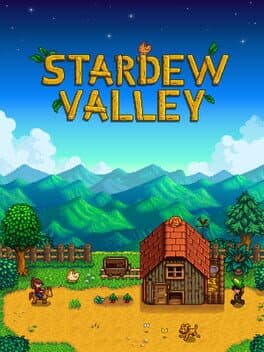
Stardew Valley game cover art
Satisfying to completeRelaxing & low-pressure

Stardew Valley

Time
MODERATE
Focus
LOW
Challenge
LOW
Intensity
VERY LOW
No Man's Sky game cover art
Relaxing & low-pressureGreat for winding down

No Man's Sky

Time
MODERATE
Focus
MODERATE
Challenge
MODERATE
Intensity
LOW
Sid Meier's Civilization VII game cover art
Satisfying to complete

Sid Meier's Civilization VII

Time
MODERATE
Focus
MODERATE
Challenge
HIGH
Intensity
LOW
Hogwarts Legacy game cover art

Hogwarts Legacy

Time
MODERATE
Focus
MODERATE
Challenge
MODERATE
Intensity
MODERATE
← Back to Home