hello@slated.gg
Powered by IGDB•Privacy•Terms

© 2026 Slated.gg

Slated.gg
Popular GamesAboutDiscover Games
Yoshi and the Mysterious Book

Nintendo • 2026 • Nintendo Switch 2
Satisfying to completeRelaxing & low-pressureGreat for winding down
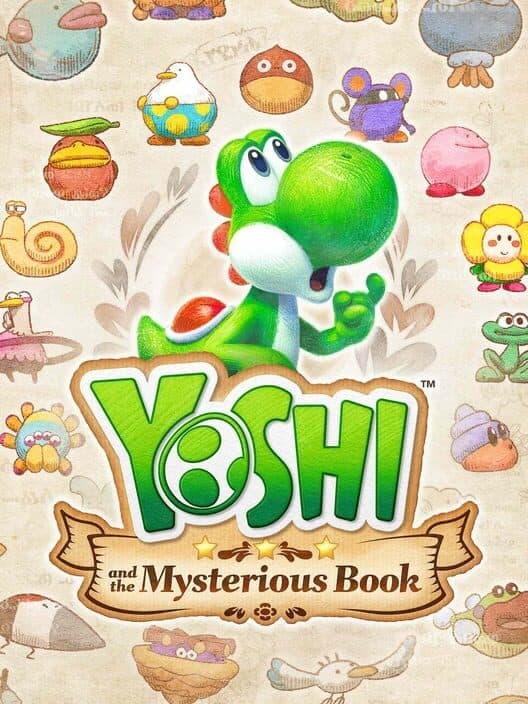
Yoshi and the Mysterious Book cover art

Yoshi and the Mysterious Book

Nintendo • 2026 • Nintendo Switch 2

Satisfying to completeRelaxing & low-pressureGreat for winding down

Is Yoshi and the Mysterious Book Worth It?

Yes, for the right player, Yoshi and the Mysterious Book is worth it. Its best trick is turning a familiar mascot platformer into a cozy little curiosity box where the fun comes from poking at creatures, noticing odd behavior, and filling out Mr. E's pages. If you love Nintendo charm, gentle exploration, and games that feel good in 30- to 90-minute chunks, this is an easy full-price pick. If that sounds nice but you usually want more challenge or longer campaigns, it makes more sense as a sale game. The main story is compact, the story itself is light, and the lack of danger is exactly why some people bounce off. Skip it if you want tough platforming, co-op play, or a big emotional adventure. What it asks from you is simple: a little patience, some light reading, and a willingness to experiment instead of brute-forcing forward. What it gives back is warmth, charm, and a surprisingly satisfying loop of tiny discoveries.

What is Yoshi and the Mysterious Book like?

Opinions of Yoshi and the Mysterious Book

What Players Love

  • Players Love

    Experimenting with creatures makes each page feel rewarding

    Players love that progress comes from trying silly interactions, spotting behavior clues, and slowly filling Mr. E's pages rather than simply running to the end.

  • Players Love

    Watercolor visuals and playful animation carry the whole adventure

    The watercolor look, expressive animation, and oddball creature designs get praise even from mixed reviews, giving the whole adventure a warm storybook feel.

Common Concerns

  • Common Concern

    Very low danger can leave some adults wanting more

    A common complaint is that missed jumps, enemy hits, and boss fights carry so little punishment that players wanting bite or skill checks can feel unsatisfied.

  • Common Concern

    Load times and text-heavy hints can slow the flow

    A smaller but real group points to longish load times, occasional unclear pages, and hint text that feels heavier than the game's otherwise breezy tone.

Divisive Aspects

  • Divisive

    Discovery sandbox design is not classic Yoshi platforming

    People who embrace it as a cozy discovery game tend to click with it, while those expecting a more classic run-to-the-goal Yoshi often come away mixed.

What does Yoshi and the Mysterious Book demand from you?

Time

LOW

Time

About ten hours gets you the main arc, and the chapter-by-chapter layout makes it easy to play in neat chunks without social obligations or marathon sessions.

LOW

This is a compact, schedule-friendly adventure. Most people will see credits in about ten hours, and the chapter setup makes that time easy to break into neat pieces. A single habitat can fill a short weeknight session, while an hour or so lets you make clear progress and stop at a natural boundary. Full pause support and low-stakes design also make real-life interruptions far less painful than they are in most platformers. The one small catch is saving. Day-to-day play seems convenient, but it looks more like automatic progress tracking than a fully open manual-save system, so it is smartest to finish a page or clear objective before quitting. Coming back after a few days is also pretty painless. The story is light, goals are clear, and the book structure helps you remember where to go next. In return for a modest time investment and a little reorientation after breaks, you get a full, satisfying arc without needing multiplayer coordination, long grinds, or marathon weekends.

Tips
  • A single habitat makes a good weeknight session; a full chapter works well when you have an hour or more.
  • Because saving seems mostly automatic, finish a clear objective before quitting if you want extra peace of mind.
  • After a break, start with an earlier easy page for five minutes to remember creature behaviors before pushing ahead.

Focus

LOW

Focus

Mostly calm, observant play with light platforming; you're watching creature behavior, trying ideas, and making small choices instead of fighting the camera or sweating every jump.

LOW

This is a gentle attention game, not a demanding one. Most of the time, it asks you to notice small things, test a few ideas, and stay curious about how a creature or object might react. That means you're engaged in a steady, pleasant way, but rarely overwhelmed. The platforming itself is light, so the real work is mental: spotting clues in an animation, remembering that a creature can be carried or bounced on, and deciding whether to keep searching or use a hint. Because there is little danger and no timer breathing down your neck, the game tolerates a tired brain better than most platformers. You can pause, think, and poke around. The trade is that divided attention still costs you. If you're half-watching TV, you'll miss subtle reactions and hidden interactions that make a page click. In return for that moderate attention, the game delivers a satisfying drip of tiny discoveries. It feels less like performing under pressure and more like paging through a pop-up book that rewards observation.

Tips
  • When a page feels unclear, stop chasing the exit and test one creature with each of Yoshi's core actions.
  • Use Mr. E's hint only after a few tries; it preserves the fun while preventing fifteen-minute dead ends.
  • Play with fewer distractions if you want to catch small animation tells and hidden side interactions.

Challenge

LOW

Challenge

You can learn the basics fast, but the game still rewards curiosity, patience, and a willingness to test odd ideas when a page's trick isn't obvious.

LOW

You can get comfortable with this game quickly. Yoshi's core actions are familiar, movement is forgiving, and the penalty for mistakes is tiny, so the first hour or two teach most of what you need to finish the main story. The bigger adjustment is not hand skill but mindset. The game asks you to stop treating levels like simple left-to-right courses and start treating them like little experiment spaces. That means learning to test one idea at a time, read hints when needed, and notice how creatures behave in different situations. In return, the game delivers a very welcoming learning curve. It rarely slaps your hand for being wrong, which makes experimentation feel playful instead of frustrating. There is still some room to deepen your understanding, especially if you chase hidden discoveries or revisit older habitats with new knowledge, but this is not a prestige challenge game. People who love being gently taught will likely enjoy that. People who want steep growth, repeated failure, and big skill checks probably will not.

Tips
  • Think like a naturalist, not a speedrunner: lick, carry, throw, bounce, then watch what each creature actually does.
  • Revisit earlier habitats once new behaviors click; the game often rewards knowledge reuse more than tighter platforming.
  • If a page feels obtuse, read the text carefully; this game hides more of its help in words than older Yoshi games.

Intensity

VERY LOW

Intensity

This is a true wind-down game: soft stakes, tiny penalties, and only brief boss spikes, so most sessions end with a smile instead of leftover stress.

VERY LOW

The emotional load is very light. Yoshi and the Mysterious Book is built to soothe more than to spike your pulse, so most sessions feel warm, playful, and safe. Even when Bowser Jr., Kamek, or a boss page shows up, the energy only rises a little. You are not hanging onto life, losing major progress, or bracing for punishing retries. That low pressure is the point. The game asks you to accept a softer rhythm and trade adrenaline for comfort. In return, it gives you a rare kind of platformer that works beautifully as an evening unwind. The only moments that may grate are mild confusion when a page's solution is not obvious, or disappointment if you wanted sharper challenge. Those are real friction points, but they usually feel like small speed bumps rather than stress spirals. If you want something to settle into after a long day, this tone is a strength. If you play games mainly for intensity, it may feel almost too polite.

Tips
  • Treat boss pages as short palate cleansers, not difficulty spikes; a patient read of their tells is usually enough.
  • If you want pure relaxation, spend extra time on cleanup pages and save the boss chapter for another night.
  • Turn rumble or louder audio down if you want the calm watercolor vibe to stay front and center.

Frequently Asked Questions

Yoshi and the Mysterious Book is easy by platformer standards. It's much closer to a cozy Nintendo side adventure than something like Donkey Kong Country or even the trickier stretches of Super Mario Wonder. The main reason is not that the controls play themselves, but that the game barely punishes mistakes. Missed jumps, bad throws, and wrong guesses usually cost only a few seconds, and hints help when a page's trick isn't clicking. Hard to learn? Not really. Most players will understand the basic move set within the first hour or two. The only adjustment is mental: you need to stop treating each stage like a race to the end and start treating it like a playground full of clues. Hard to master? Only a little, and mostly if you want every hidden discovery or collectible. If you want pressure, you'll probably find it too gentle. If you want a game that welcomes you in, this one absolutely does.

Most players will reach credits in about 8 to 12 hours, with 15 to 20 hours covering extra cleanup and around 20 to 25+ if you chase nearly everything. That's a very friendly size: you can see the main adventure over a couple of weeks without turning it into your whole gaming life. The game is broken into clear chapters and habitats, so 20- to 40-minute sessions work fine, while an hour lets you finish a couple of pages and some collectible cleanup. It fully pauses, and progress seems to save automatically rather than through lots of manual slots. That makes it convenient, even if it isn't as flexible as a true save-anywhere system. If you come back after a few days, you may need a minute to remember which creature behavior you were testing, but the story is light enough that re-entry is easy.

Yoshi and the Mysterious Book is very low-stress. The usual feeling is gentle curiosity, not pounding-heart pressure. Most of the time you're wandering around a compact page, trying silly interactions, and seeing what happens, with almost no fear of losing progress or getting punished for mistakes. The little bursts of action around bosses or Bowser Jr. moments do raise the energy a bit, but they feel more like playful punctuation than real danger. This is the good kind of tension for most people: just enough to keep things lively, not enough to leave you wound up. The bad kind of stress mostly comes when a page's solution feels slightly unclear or the text-heavy hints slow the flow. Even then, the stakes stay tiny. It's a great pick after work, before bed, or anytime you want something warm and safe. If you only enjoy games when they push back hard, though, its calm mood may read as flat rather than relaxing.

Yes, and it's especially good as a solo, low-commitment game. Yoshi and the Mysterious Book is built entirely around single-player play, so there are no party requirements, matchmaking waits, or social obligations hanging over your schedule. That helps a lot if your gaming time comes in short, unpredictable windows. The chapter-and-habitat structure creates natural stopping points, full pause lets you handle interruptions, and a 30- to 60-minute session still feels productive because you can usually complete a discovery or two. The only real casual-play caveat is that saving appears to be mostly automatic rather than manual, so it's smart to finish a clear objective before quitting. Coming back after a week is also pretty painless. You might need a few minutes to remember which creature did what, but the light story and tidy page structure make re-entry easy. If you want something you can enjoy alone without planning your life around it, this fits very well.

No, Yoshi and the Mysterious Book is not pay-to-win in any meaningful sense. It is a standard one-time purchase with no sign of battle passes, gacha pulls, power boosts, or cash-shop shortcuts. There is also no competitive mode where spending money could give someone an edge, so the whole question barely applies here. You buy the game, play through its chapters, and unlock progress by experimenting, exploring, and finishing discoveries. Nintendo materials and ratings information do not point to any in-game purchases tied to power or progression. The only extra note is amiibo support, but that appears to be a small bonus feature, not a system that gates core content or makes the game easier in a way that matters. For anyone worried about hidden monetization, this is one of the cleaner premium releases around. Your progress depends on curiosity and time, not on opening your wallet after you already bought the game.

You Might Also Like

Games with a similar rhythm and feel, even if they look different
Explore more→
Donkey Kong Bananza game cover art
Satisfying to completeRelaxing & low-pressure

Donkey Kong Bananza

Time
LOW
Focus
MODERATE
Challenge
LOW
Intensity
LOW
Dave the Diver game cover art
Satisfying to completeRelaxing & low-pressure

Dave the Diver

Time
MODERATE
Focus
MODERATE
Challenge
MODERATE
Intensity
LOW
Rune Factory: Guardians of Azuma game cover art
Satisfying to completeRelaxing & low-pressure

Rune Factory: Guardians of Azuma

Time
MODERATE
Focus
MODERATE
Challenge
MODERATE
Intensity
LOW
Stardew Valley game cover art
Satisfying to completeRelaxing & low-pressure

Stardew Valley

Time
MODERATE
Focus
LOW
Challenge
LOW
Intensity
VERY LOW
Hogwarts Legacy game cover art

Hogwarts Legacy

Time
MODERATE
Focus
MODERATE
Challenge
MODERATE
Intensity
MODERATE
The Adventures of Elliot: The Millennium Tales game cover art

The Adventures of Elliot: The Millennium Tales

Time
MODERATE
Focus
MODERATE
Challenge
MODERATE
Intensity
LOW
← Back to Home