Xbox Game Studios • 2026 • Xbox Series X|S, PC (Microsoft Windows), PlayStation 5
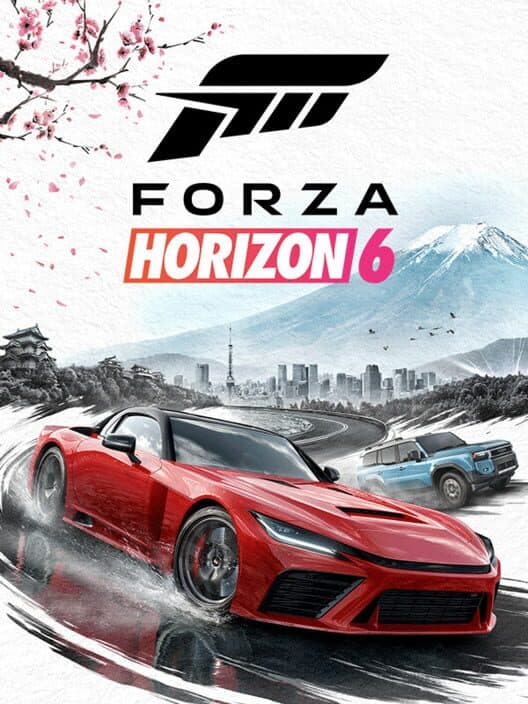
Forza Horizon 6
Xbox Game Studios • 2026 • Xbox Series X|S, PC (Microsoft Windows), PlayStation 5
Is Forza Horizon 6 Worth It?
Yes. Forza Horizon 6 is worth it if you want a beautiful driving game that feels great in short sessions and doesn't ask for hardcore sim-racing commitment. Its biggest strength is how easily it turns 45 minutes into a satisfying little road trip through Japan, with great handling, clear goals, and enough variety to keep the campaign fresh. You can race, drift, chase stunts, explore scenic roads, and dabble in customization without ever feeling lost. That makes it especially strong for players who like open-world freedom but still want structure. The main caution is technical, not creative. Save and sync issues are a real problem right now, and they matter more in a game built around quick nightly progress. There is also some paid advantage content, though it matters far less in solo play than in competitive spaces. Buy at full price if the idea of a polished driving vacation instantly clicks for you. Wait for a sale or a bigger patch if you are cautious about save stability. Skip it if you want a strict simulator, a gritty street-racing tone, or zero live-service baggage.
What is Forza Horizon 6 like?
Opinions of Forza Horizon 6
What Players Love
- Players Love
Japan's roads and handling make simple drives feel special
Players almost universally praise the road design, scenery, and handling. Even routine drives between events feel satisfying because the map is beautiful and the cars feel great.
- Players Love
Progression feels more purposeful than recent Horizon openings
Many players like the Wristband structure because it gives races, showcases, and side goals a clearer sense of momentum than the looser openings of recent entries.
- Players Love
Huge car list and creator tools support hobby play
The large launch car list, EventLab tools, garages, estates, and shared activities give the game real hobby value long after the main campaign is finished.
Common Concerns
- Common Concern
Save and sync issues overshadow early momentum for many players
Save resets and sync problems are the biggest current warning sign. Losing progress cuts directly against the game's short-session appeal and is the top complaint.
- Common Concern
Japan setting feels polished but restrained for enthusiasts
Some enthusiasts love the setting but wish it pushed harder on tuning culture, body kits, and wilder street-racing flavor instead of a safer festival version of Japan.
Divisive Aspects
- Divisive
Constant rewards and guidance feel motivating or too pushy
The steady stream of rewards, prompts, and map nudges keeps many players moving, but others find the late campaign a little too guided or checklist-driven.
What does Forza Horizon 6 demand from you?
Time
LOWTime
It works beautifully in hour-long chunks, offers clear stopping points, and lets you feel done in 20 to 30 hours without touching everything.
Focus
MODERATEFocus
You need eyes on the road during races, but the game keeps goals simple enough that most sessions feel sharp and satisfying, not mentally draining.
Challenge
LOWChallenge
Easy to start, satisfying to improve at, and deep only if you want to chase cleaner laps, lower assists, or better tunes.
Intensity
LOWIntensity
Fast and lively rather than punishing, with short bursts of adrenaline that stay fun because mistakes are cheap and the festival mood stays upbeat.
Frequently Asked Questions
You Might Also Like
Games with a similar rhythm and feel, even if they look different