hello@slated.gg
Powered by IGDB•Privacy•Terms

© 2026 Slated.gg

Slated.gg
Popular GamesAboutDiscover Games
My Cannibal Family

Unknown Developer • 2027 • Xbox Series X|S, PC (Microsoft Windows), PlayStation 5
Creative expression
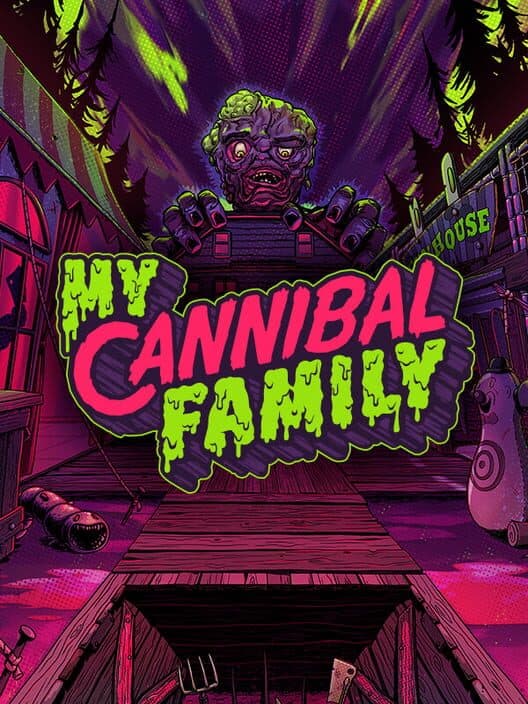
My Cannibal Family cover art

My Cannibal Family

Unknown Developer • 2027 • Xbox Series X|S, PC (Microsoft Windows), PlayStation 5

Creative expression

Is My Cannibal Family Worth It?

Right now, My Cannibal Family looks promising rather than proven, so it is more of a wishlist-and-watch game than a confident day-one buy. If the pitch alone makes you grin, there is a lot to like here: building your own horror attraction, shaping guest routes, and then sneaking through the park to make your design actually work is a genuinely fresh hook. It also seems well suited to people who enjoy short sessions that still leave a visible mark on the world. A good night should end with a smarter layout, a new trap, or a cleaner system than you had before. The catch is simple: this is still an unreleased, low-certainty profile, so the real test will be whether the stealth, AI, and building tools feel good for more than a few hours. Pay full price only if you already love weird dark-comedy sandboxes and are happy taking a chance on the concept. Wait for reviews or a sale if you need proof of polish. Skip it if gore, cannibal themes, or screen-unsafe chaos are deal-breakers.

What is My Cannibal Family like?

Opinions of My Cannibal Family

What Players Love

  • Players Love

    The theme park monster fantasy is instantly memorable

    Even before release, most attention centers on the pitch itself: design a twisted attraction, lure in guests, and turn the whole park into your family's feeding ground.

  • Players Love

    Co-op chaos looks like a big part of the appeal

    Up to four players online, split-screen support, revives, shared building, and trap experiments make the social sandbox one of the easiest parts to imagine enjoying.

Divisive Aspects

  • Divisive

    The colorful body-horror tone will strongly split players apart

    The bright art style softens the surface, but cannibalism, blood, and stalking park guests remain a hard sell for anyone who wants lighter or safer screen time.

What does My Cannibal Family demand from you?

Time

MODERATE

Time

It seems workable in weeknight chunks thanks to the day-night rhythm, but remembering your park logic after a break may take a reset.

MODERATE

For a busy schedule, this looks more promising than intimidating. The day-night split should create natural points to stop, and even a shorter session could still feel productive if you improve one route, unlock one new trap, or push one piece of the campaign forward. That is a nice fit for regular 60 to 90 minute play. It also appears to support full solo play, which matters because you should not need to coordinate with friends just to make progress. The bigger time ask is mental continuity. This is the kind of game where your save file contains a living plan: park layout, helper roles, trap logic, and your next upgrades. After a week away, you may need a few minutes just to remember what your park is trying to do. So the schedule fit looks good, but the re-entry may be a little sticky. Based on current store info, the full satisfying arc also seems likely to take several weeks rather than one weekend, which feels reasonable if the sandbox systems stay rewarding over time.

Tips
  • End each session after a completed day-night cycle and leave one obvious next goal, like fixing a choke point or buying a specific trap.
  • Rename or mentally label key areas of your park so returning after a break feels more like revisiting a plan than re-learning a maze.
  • If you play co-op, keep one solo-friendly save moving too. That way your progress never depends on everyone being free together.

Focus

MODERATE

Focus

You bounce between calm park planning and tense stalking, so the game rewards active attention and map awareness more than fast hands alone.

MODERATE

This looks like a game of switching gears. One part of a session is slower and more thoughtful as you assign family jobs, adjust guest routes, place traps, and decide how you want the park to function. Then the night side asks you to move through that space, watch for witnesses, pick targets, and react when a clean plan starts getting messy. That mix means you are not under nonstop action pressure, but you also cannot really coast. The brainwork comes from reading space, predicting guest movement, and keeping several moving parts in your head at once. The hands-on part seems important, just not dominant. If you like the feeling of setting a plan and then testing it in real time, this should feel satisfying. If you want something you can play while checking your phone or half-watching TV, it probably will not be a great fit. The reward for staying dialed in should be that wonderful sandbox moment where a layout, lure, and ambush all click together and the park starts feeling like your own machine.

Tips
  • Walk your main guest route at the start of each session so blind corners, escape lanes, and trap coverage are fresh again.
  • Build simpler kill zones before clever sprawling layouts. Cleaner sight lines will likely make witness cleanup and stealth recovery much easier.
  • Use the day phase to reduce chaos on purpose by routing guests into fewer, more readable spaces instead of covering every corner at once.

Challenge

MODERATE

Challenge

The hard part seems to be learning how routes, traps, helpers, and unlocks feed each other, not mastering brutal reflex tests.

MODERATE

This should land in the middle range for most people. The likely barrier is not finger skill so much as understanding the whole machine. Early on, you will probably spend a few sessions learning how signage affects movement, where traps are most useful, how helpers support your plan, and which upgrades actually make your park smoother rather than just flashier. That is a real learning curve, but it sounds like the kind that gets easier once the pieces connect. In other words, the game seems broad before it becomes hard. It also helps that the structure appears persistent, so mistakes should teach more than punish. A bad night might cost momentum, not erase your entire save. People who enjoy Hitman-style setup or builder tinkering will likely feel that the game gets more satisfying as their layouts get cleaner and their reactions get more deliberate. People who want instant clarity or very guided play may find the opening hours awkward while the systems are still settling in.

Tips
  • Treat your first few sessions like experiments. Test one new trap or route idea at a time so you can tell what actually helped.
  • Spend upgrades on tools that simplify your routine first, then branch into flashy options once your park flow feels reliable.
  • When something goes wrong, ask whether the issue was timing, visibility, or routing. That kind of review should teach faster than brute repetition.

Intensity

MODERATE

Intensity

This feels more like playful predator tension than pure panic, with witness chases and gore spikes balanced by slower management stretches.

MODERATE

The emotional pull here should come from pressure spikes, not constant dread. The big difference is perspective: you are not trapped in a horror game trying to survive. You are the one setting up the danger, which changes the feeling from helpless fear to nervous control. The likely stress points are getting spotted, having a witness run, or watching a neat ambush turn into a messy scramble. Those moments can still be sharp, especially because the tone is built around blood, body horror, and dark comedy. At the same time, the daytime building and planning side gives you room to breathe between the hotter moments. That makes this less exhausting than a pure survival horror or nonstop action game. It still does not look remotely cozy. The payoff is that the pressure seems tied to stories you create yourself. When a plan almost falls apart and you barely clean it up, that kind of tension tends to be memorable in a fun way, assuming the final stealth and AI feel fair at launch.

Tips
  • Play this when you want mischievous tension, not when you want a comfort game or something calm before bed.
  • If a hunt gets sloppy, reset your routes and traps next cycle instead of forcing the same bad setup again.
  • Keep one easy fallback area in your park for witness cleanup so detection turns into a recoverable problem, not instant chaos.

Frequently Asked Questions

My Cannibal Family looks medium rather than brutally hard, but the likely challenge comes from understanding the systems, not surviving impossible fights. Based on current store material, you will probably spend your first few sessions learning how guest flow, traps, helpers, upgrades, and stealth all connect. That can feel awkward before it feels smart. Once the basics click, the game seems less like a reflex exam and more like a planning game where bad setups create messy nights. That is an important difference. It looks closer to learning a light sandbox stealth game than mastering something like a Soulslike. If you enjoy experimenting, adjusting a layout, and improving through trial and error, the learning curve may feel fun. If you want instant clarity and very directed play, the early hours could feel clumsy. Nothing announced so far suggests harsh punishment on the default experience, but this is still a pre-release estimate. So the safest read is this: easy to understand at a high level, moderately tricky to play well, and unlikely to demand elite action skills.

Best guess from current pre-release info is around 20 to 35 hours to feel like you fully got what My Cannibal Family offers. That estimate assumes you finish the main revenge campaign once and build one park that feels mature, functional, and personal rather than stopping at a starter layout. If you chase more themes, weapons, traps, side content, or spend extra time experimenting in co-op, 35 to 50 hours seems very possible. The game also looks naturally suited to 60 to 90 minute sessions because the day-night rhythm should give you clean stopping points. Even on a shorter night, you could still improve a guest route, unlock one new tool, or push one campaign goal forward. Save support appears flexible, but that part is not fully confirmed yet, so treat it as a hopeful sign rather than a guarantee. Overall, this seems like a several-week game for someone playing a few nights a week, not a one-weekend sprint and not an endless lifestyle commitment either.

Expect moderate stress with sharp spikes, not nonstop dread. The main source of pressure seems to be stealth going wrong: a witness spots you, someone runs, a clean plan turns sloppy, and suddenly you are scrambling to recover before the whole park reacts. That can create real tension, especially because the theme leans hard into blood, horror, and dark humor. Still, this probably will not feel like pure survival horror because you are the predator, not the victim. You get quieter planning stretches during the build phase, which should break up the higher-pressure moments and keep the overall mood from becoming exhausting. So the stress here looks more like mischievous chaos than helpless panic. The bigger risk is not emotional overload but frustration if the final AI or stealth rules feel inconsistent. Based on what is shown now, this seems best when you want something intense and a little nasty in a playful way. It does not look like a good pick for winding down, playing around children, or squeezing in while distracted.

Yes. Everything announced so far says My Cannibal Family is fully built to work solo, with co-op acting as an optional extra rather than the main way to play. That matters because it means you should be able to make steady progress on your own schedule instead of waiting on a group. It also looks reasonably friendly to weeknight play. The day-night cycle should create natural stopping points, and even a modest session could still feel worthwhile if you improve one route, place one trap, or unlock one useful upgrade. The main caveat is mental re-entry. This seems like the kind of game where your save file holds a lot of context: layout logic, family roles, active goals, and your own plan for the park. If you step away for a week, you may need a few minutes to remember what everything is doing. Active hunt sequences may also be poor interruption points if pause support ends up limited. So yes, it looks very soloable and fairly casual-friendly, just not brain-off easy to dip in and out of during the messiest moments.

No, there is no sign that My Cannibal Family is pay-to-win. Current storefronts present it as a standard premium purchase, and nothing in the available material points to battle passes, paid power boosts, premium currencies, or any system where spending extra money gives you a gameplay edge. That matters even more here because the game is framed around a solo campaign and optional co-op chaos, not ranked competition. In a setup like this, the bigger monetization concern would be post-launch cosmetic packs or future expansions, not paying for an advantage over other players. The one honest caveat is that the game is still unreleased, so storefront plans can change before launch. As of the current public information, though, there is simply no evidence of pay-to-win design. If you are cautious about premium games quietly layering in extra purchases later, this is one to re-check near release. For now, it looks clean on this front.

You Might Also Like

Games with a similar rhythm and feel, even if they look different

Explore more→
StarRupture game cover art

StarRupture

Time
MODERATE
Focus
HIGH
Challenge
MODERATE
Intensity
MODERATE
Abiotic Factor game cover art

Abiotic Factor

Time
MODERATE
Focus
MODERATE
Challenge
MODERATE
Intensity
MODERATE
Graveyard Keeper II game cover art

Graveyard Keeper II

Time
MODERATE
Focus
MODERATE
Challenge
MODERATE
Intensity
LOW
Forever Skies game cover art

Forever Skies

Time
MODERATE
Focus
MODERATE
Challenge
MODERATE
Intensity
MODERATE
RimWorld game cover art

RimWorld

Time
HIGH
Focus
VERY HIGH
Challenge
HIGH
Intensity
MODERATE
The Last Caretaker game cover art

The Last Caretaker

Time
MODERATE
Focus
MODERATE
Challenge
MODERATE
Intensity
LOW
← Back to Home