hello@slated.gg
Powered by IGDB•Privacy•Terms

© 2026 Slated.gg

Slated.gg
Popular GamesAboutDiscover Games
Mistfall Hunter

Skystone Games • 2026 • Xbox Series X|S, PC (Microsoft Windows), PlayStation 5
Rewarding skill growthTense
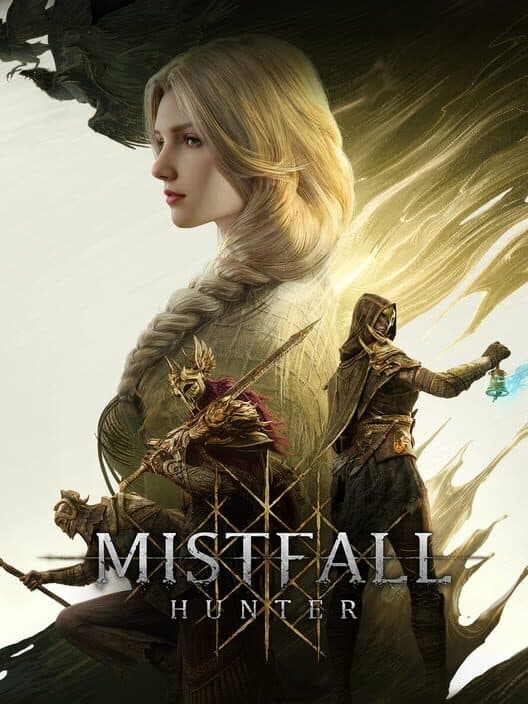
Mistfall Hunter cover art

Mistfall Hunter

Skystone Games • 2026 • Xbox Series X|S, PC (Microsoft Windows), PlayStation 5

Rewarding skill growthTense

Is Mistfall Hunter Worth It?

Mistfall Hunter is worth it if you love tense risk-and-reward runs and do not mind a rough launch. Its best trick is combining weighty third-person combat with extraction stakes, so every good escape feels earned instead of routine. If you have a regular group, or you enjoy learning one class and slowly getting smarter about when to fight and when to leave, there is real magic here. A strong 60- to 90-minute session can deliver the whole arc: prep, danger, loot, panic, escape. The catch is that it asks a lot back. Raids are online-only and unpausable, solo support is thinner than squad play right now, and current performance complaints are serious enough to matter. Buy at full price if the core loop sounds made for you and you can tolerate technical bumps. Wait for a sale or a few more patches if you are solo-first, sensitive to stutter, or unsure about extraction games. Skip it if you want a calm night, story payoff, or frequent pause breaks.

What is Mistfall Hunter like?

Opinions of Mistfall Hunter

What Players Love

  • Players Love

    Combat and extraction make every escape feel earned

    Players keep returning to the mix of measured melee combat, risky looting, and vulnerable extraction. A clean run feels tense, personal, and genuinely earned.

Common Concerns

  • Common Concern

    Stuttering and control issues still disrupt too many fights

    Stutter, lag spikes, desync, crashes, and controller or input problems are common complaints across platforms, and they hurt most when timing matters.

  • Common Concern

    Solo players feel boxed in by trio-leaning content

    Many players say the current structure gives solo runs a thinner slice of the game, while stronger rewards and later pressure feel built with trios in mind.

  • Common Concern

    Menus and currencies make the early grind feel cluttered

    The camp layer asks you to juggle menus, currencies, quests, and upgrades before the next raid, and many players feel that clutter slows the fun.

Divisive Aspects

  • Divisive

    Movement pace and class balance still split players

    Some players love the heavier pace and class asymmetry, while others find movement sluggish or certain builds oppressive. The meta still feels unsettled.

What does Mistfall Hunter demand from you?

Time

MODERATE

Time

Raids give clean stopping points, but each one asks for a protected block of time because there is no safe pause once you deploy.

MODERATE

Mistfall Hunter fits best into planned gaming blocks rather than stolen five-minute gaps. The good news is that its structure is clean: prepare in camp, enter a raid, extract or die, then handle your loot and decide whether to go again. That gives you natural stopping points after each run, which is better than many giant open-ended games. The catch is that each run needs protected time. Raids are online-only, unpausable, and meaningful enough that a phone call, a child waking up, or a spotty connection can ruin the whole trip. A typical satisfying night is usually one or two raids plus camp cleanup, roughly 60 to 90 minutes. To feel like you really got what the game offers, expect around 25 to 40 hours centered on learning one class and becoming consistently competent. It is also a little sticky to return to after time away because you need to remember your build, gear stash, currencies, and current risk tolerance. Solo works, but the current base game clearly feels better supported when you have two reliable partners.

Tips
  • Budget forty-five to ninety minutes, not twenty. One raid is manageable, but prep, matchmaking, and cleanup eat short sessions.
  • If real-life interruptions are likely, do camp management only and save actual raids for a calmer block of time.
  • After a week away, start with a low-risk run to relearn your build, stash habits, and map flow.

Focus

HIGH

Focus

Every raid demands full attention, mixing deliberate melee timing with constant route, loot, and threat judgment. This is not a second-screen game.

HIGH

Mistfall Hunter asks for the kind of attention you usually save for competitive games, then rewards it with runs that feel sharp and memorable. Once a raid starts, there is almost no safe autopilot. You are reading enemy wind-ups, managing stamina or energy, checking lines of sight, listening for other players, and deciding whether loot is worth the noise you made getting it. The thinking is split fairly evenly between hands and head. You need clean dodges and spacing in the moment, but you also need route judgment, risk control, and enough map sense to know when a fight is bad business. That mix is what makes the game exciting. A good run feels like a string of smart calls, not just fast reflexes. The tradeoff is simple: it asks for full attention and punishes distraction, especially because raids are online and unpausable. If you like settling in for a focused hour and feeling switched on the whole time, it delivers. If you want background gaming while multitasking, it really does not.

Tips
  • Bank loot after a strong run instead of chasing one more room. Most ugly losses come from greed, not weak combat.
  • Stick with one class for your first ten hours so route learning, stamina timing, and escape habits settle in together.
  • Use headphones if you can. Footsteps, nearby fights, and extraction noise matter almost as much as what you see.

Challenge

HIGH

Challenge

You can grasp the basics in several evenings, but surviving consistently means learning one class, the economy, and when not to fight.

HIGH

Mistfall Hunter is not impossible to learn, but it is a bigger early hump than a normal action game. You are not just learning one combat system. You are learning a class, its weapon rhythm, how much noise different fights create, what loot is actually worth carrying, when to leave, and how aggressive other players tend to be. That means the first several evenings can feel messy even if you are already comfortable with dodge-based combat. The good news is that basic competence arrives well before mastery. You do not need perfect duels or deep meta knowledge to start having good runs. You mostly need one class you understand, a route you trust, and the discipline to avoid bad fights. The game also softens failure a bit through persistent progression, so each lost raid still teaches you something and usually moves some long-term needle. In return for that learning effort, it gives you a satisfying sense that your improvement is real. Deaths become readable. Escapes become repeatable. If you enjoy losses feeling like lessons, the curve is rewarding. If you want instant comfort, the onboarding clutter may frustrate you.

Tips
  • Pick one class and one safe route first. Learning everything at once makes the game feel harder than it really is.
  • Use cheaper loadouts to practice extraction timing, not just combat. Surviving modest runs teaches more than dying rich.
  • Before requeueing, ask why you died. Noise, stamina, positioning, greed, or panic usually explains more than bad luck.

Intensity

HIGH

Intensity

This feels tense more often than hard for hard's sake, with loot loss and surprise player fights turning even solid runs into sweaty finishes.

HIGH

This is a high-stress game in the fun, sweaty-palms sense. The monsters matter, other players matter more, and the escape itself is often the most nerve-racking part of the whole run. That is because your reward is not locked in until you get out. Even a strong raid can flip in seconds if another group hears you, cuts off your path, or arrives at extraction first. The dark fantasy look and heavy combat animations add weight, so the pressure feels physical rather than abstract. The good version of that stress is easy to understand: successful escapes feel earned, and small victories can leave you buzzing. The bad version is that losses sting, especially when you were carrying rare loot or when launch-period stutter and latency muddy what should have been a fair fight. This is not the sort of game most people use to unwind before bed. It is better when you want tension on purpose and have enough energy to enjoy the risk instead of resent it.

Tips
  • Treat every raid like a risk budget. Bring gear you can afford to lose, especially while you are still learning maps.
  • Stop after a rough loss streak. Frustration leads to greedy routing, louder fights, and much worse extraction decisions.
  • Play when you have energy to spare. This works far better as a chosen adrenaline session than a sleepy nighttime cooldown.

Frequently Asked Questions

Mistfall Hunter is hard, but it is more layered than brutally pure. The combat itself sits below something like Sekiro for raw execution, yet above a typical action RPG because timing, spacing, stamina use, and reading enemy tells all matter. The bigger challenge is that the game stacks several kinds of pressure at once. You are learning melee combos, map routes, loot value, extraction timing, and how aggressive other players are likely to be. That makes the first 5 to 10 hours feel rougher than the long-term difficulty probably is. Hard to learn and hard to master are different here. You can become basically competent after several evenings with one class and a safe route. True consistency takes much longer, especially if you play solo. It also feels harder right now when lag, stutter, or input issues get involved, because a fair fight can turn messy. Players comfortable with Souls-like timing or extraction games will adjust faster. Players who dislike losing gear after one bad run may find it punishing even if they can handle the combat.

Expect about 25 to 40 hours to feel like you really got Mistfall Hunter, with no clean story ending to aim for. This is not a game you beat and shelve after credits. The real milestone is learning one class, understanding the economy, surviving the main raid loop, and extracting with some consistency. A single raid usually runs about 25 to 35 minutes, but that is only part of the session. Camp prep, inventory sorting, crafting, and post-raid cleanup often add another 10 to 15 minutes between runs. That makes 60 to 90 minutes the sweet spot for a satisfying night. You can stop after each raid, which helps, but there is no mid-raid save and no pause once you deploy. Completionist timing is slippery because this is a live game with seasonal updates, so there is always more gear, builds, and risk to chase. If the loop clicks, the hours can stretch well past 40. If it does not, you will know within the first several evenings.

Yes, Mistfall Hunter is stressful, and that is very much the point. Most of the stress is the good kind: you found valuable loot, you hear another team nearby, and suddenly the run matters in a way ordinary action games rarely manage. The walk to extraction is often the most intense part because nothing is truly yours until you get out. That creates real adrenaline, not just mental effort. The less fun version of the stress comes from two places. First, failure stings because a bad decision or lost duel can wipe out a strong run. Second, current stutter, lag, and control problems can turn clean tension into irritation if the game misbehaves at the wrong moment. This is a better fit for nights when you want to feel alert and locked in, not when you want gentle comfort before bed. If you like sweaty-palms risk and can laugh off losses, it can be thrilling. If you want reliable calm or easy recovery from interruptions, it will feel draining.

Yes, you can play Mistfall Hunter solo, but it is not the best-supported way to play right now. The game gives solo players a real lane on its more accessible content, and plenty of the basic loop still works alone: pick a class, route carefully, avoid bad fights, grab loot, and try to leave clean. In fact, some players will enjoy the stealthier, more cautious solo rhythm. The problem is that the current base game leans toward squads once you push deeper. A lot of feedback says later pressure and better rewards feel tuned with trios in mind, and the developer has already responded to those complaints publicly. So solo is viable, but not equally comfortable. It is also not very forgiving of real-life interruptions because raids are online-only and unpausable. If you usually play alone and enjoy tense self-reliant runs, there is still something here. If you want a fully balanced solo journey or dislike being at a structural disadvantage against coordinated groups, you should probably wait for more solo-focused updates or a good sale.

No, Mistfall Hunter does not appear pay-to-win in its current form. It is sold as a standard one-time purchase, with a deluxe edition and optional paid extras built around cosmetics and premium currency. The important part is that official messaging explicitly says there are no paid stat boosts, no gear advantages, and no shortcuts that let spenders win fights they did not earn. That matters a lot in a loot-risk game, because even small paid power boosts would poison the whole extraction loop. Right now, the business model looks closer to buy-in plus optional style items than anything exploitative. The usual live-service caution still applies: games can change over time, and it is smart to watch patch notes and community reports after launch. But based on the current base game and official store language, there is no meaningful sign of pay-to-win. If your main worry is being outclassed by someone who opened their wallet, that does not seem to be the problem here. Technical issues and solo balance are much bigger concerns today.

You Might Also Like

Games with a similar rhythm and feel, even if they look different
Explore more→
Dead by Daylight game cover art
Tense

Dead by Daylight

Time
MODERATE
Focus
HIGH
Challenge
HIGH
Intensity
HIGH
League of Legends game cover art
Rewarding skill growthTense

League of Legends

Time
MODERATE
Focus
VERY HIGH
Challenge
HIGH
Intensity
HIGH
Elden Ring Nightreign game cover art
Rewarding skill growth

Elden Ring Nightreign

Time
MODERATE
Focus
HIGH
Challenge
HIGH
Intensity
HIGH
Enginefall game cover art
Rewarding skill growthTense

Enginefall

Time
MODERATE
Focus
HIGH
Challenge
HIGH
Intensity
VERY HIGH
Dark Souls III game cover art
Rewarding skill growth

Dark Souls III

Time
MODERATE
Focus
HIGH
Challenge
HIGH
Intensity
HIGH
Sand: Raiders Of Sophie game cover art

Sand: Raiders Of Sophie

Time
MODERATE
Focus
HIGH
Challenge
HIGH
Intensity
HIGH
← Back to Home