hello@slated.gg
Powered by IGDB•Privacy•Terms

© 2026 Slated.gg

Slated.gg
Popular GamesAboutDiscover Games
Sand: Raiders Of Sophie

tinyBuild • 2026 • Xbox Series X|S, PC (Microsoft Windows), PlayStation 5
Satisfying to completeAdrenaline rushEmergent gameplay
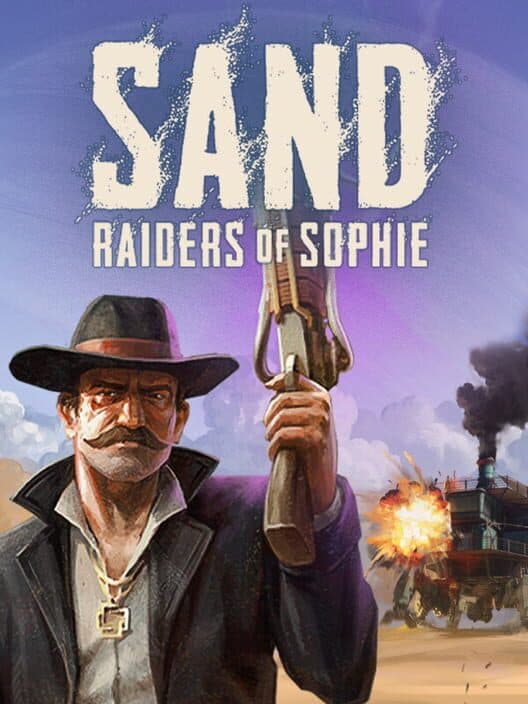
Sand: Raiders Of Sophie cover art

Sand: Raiders Of Sophie

tinyBuild • 2026 • Xbox Series X|S, PC (Microsoft Windows), PlayStation 5

Satisfying to completeAdrenaline rushEmergent gameplay

Is Sand: Raiders Of Sophie Worth It?

Sand: Raiders of Sophie is worth it right now if the idea of building a walking fortress and taking it into tense loot runs sounds exciting. Its best moments are genuinely distinct: you tune your Trampler, roll across the desert, get greedy at one more ruin, then barely escape with your haul. That mix of machine-building, scavenging, and player-made drama gives it a flavor few games have. The catch is polish and lifestyle fit. This is an early access, online-only game with rough servers, harsh loss, and no real pause. Solo play works, but it is busier and more punishing than crew play. If you have friends who like high-stakes sessions and can tolerate some launch-week roughness, paying full price makes sense. If the concept grabs you but you mostly play alone, hate losing progress, or need a smoother after-work game, wait for updates or a sale. Skip it if you want a finished story campaign, reliable drop-in play, or something calm.

What is Sand: Raiders Of Sophie like?

Opinions of Sand: Raiders Of Sophie

What Players Love

  • Players Love

    Building and piloting a Trampler feels genuinely fresh

    The walking fortress is the clear hook. Players love shaping rooms, guns, and storage around a plan, then seeing that design matter during a live run.

  • Players Love

    Small crews create the game’s best teamwork chaos

    Many of the happiest impressions come from friends splitting jobs like driving, gunning, looting, and repairs, turning stressful runs into memorable teamwork stories.

Common Concerns

  • Common Concern

    Server problems and disconnects can spoil whole runs

    Connection drops, queue issues, and extraction interruptions are the biggest complaint because a technical problem can waste time and sometimes cost hard-earned loot.

  • Common Concern

    Solo play works, but it is much rougher

    Players say solo is possible, but one person must steer, repair, loot, and fight at once. That makes runs busier, riskier, and less efficient than crew play.

Divisive Aspects

  • Divisive

    Early Access rough edges demand more patience than some have

    Some players happily forgive bugs because the core idea is so strong. Others bounce off broken props, false kicks, or rough sessions before the promise shines.

What does Sand: Raiders Of Sophie demand from you?

Time

MODERATE

Time

Runs start and end cleanly, but they are hard to squeeze around interruptions. Sand works best when you can protect an hour or two of real attention.

MODERATE

Sand is easier to schedule than a giant story game, but harder to fit into a messy evening. Each run has a clear loop with a natural ending, which is great if you can protect 60 to 120 minutes. You prep at the station, head out, decide how greedy to get, then try to extract and bank your winnings. That structure gives you clean stopping points. The problem is flexibility inside a run. This is online-only, there is no true pause, and leaving at the wrong moment can burn the whole trip. It also asks for some memory between sessions. If you come back after a week, you may need a little time to remember your build, your stash, and what materials you were chasing. The good news is you do not need months to feel satisfied. Once you have tried both modes, built a Trampler that feels like yours, and survived a handful of solid extractions, you have basically seen the core appeal. Playing with friends lowers workload, but it also adds schedule coordination. Solo play is easier to schedule, just tougher to manage.

Tips
  • Do not start a run unless you likely have 60 to 90 uninterrupted minutes; there is no true pause once things get moving.
  • End nights after a clean extract when possible. That gives you a natural stopping point and saves you from one more risky decision.
  • If you return after a break, do a low-stakes Voyage run first to relearn your layout, stash, and extraction rhythm.

Focus

HIGH

Focus

Sand wants your full attention for most of a run, mixing route planning, vehicle upkeep, quick looting, and sudden firefights in the same stretch.

HIGH

Sand wants near-full attention during active runs. The game asks you to juggle prep, route planning, vehicle steering, horizon scanning, loot sorting, repairs, and sudden fights, sometimes within the same five minutes. That sounds exhausting on paper, but it is also what makes the walking-fortress fantasy work. When the loop clicks, you feel less like a lone action hero and more like the captain of a shaky machine trying to survive one more trip. The thinking leans practical more than abstract. You are not solving long math problems. You are making fast, grounded calls like whether a ruin is worth parking at, whether your Trampler is exposed, or whether that smoke on the horizon means easy loot or trouble. There are quieter travel stretches, especially in Voyage, but they never feel fully safe. This is not a great choice for multitasking, folding laundry, or checking messages every few minutes. In return for that attention, it delivers tense, memorable runs where good judgment matters almost as much as aim.

Tips
  • Start with Voyage and shorter routes so you can learn steering, looting, and extraction without stacking every source of pressure at once.
  • Keep your Trampler compact at first; shorter paths between driver seat, storage, repairs, and guns reduce panic when things go sideways.
  • Set a leave point before deploying, like two good stops or half cargo, so greed does not overload your decision-making late in runs.

Challenge

HIGH

Challenge

The basics click after several expeditions, but real confidence comes from building smart habits, not raw aim, and the game punishes sloppy lessons.

HIGH

The basics are learnable, but Sand does not teach confidence quickly. It asks you to absorb several systems at once: how extraction works, what loot is actually worth carrying, how much risk your build can handle, and how to arrange a Trampler so it helps instead of hinders you. None of that is impossible, yet the game can feel messy until you have a few full runs behind you. The shooting is only one piece. A lot of skill comes from knowing when to disengage, how to park safely, and what jobs need to happen first when things go bad. That makes the game less about perfect reflexes and more about building good habits. In return, improvement feels very real. Your first successful extractions teach more than a long tutorial ever could. The harsh part is that the game does not cushion failure much. Bad calls cost gear and time, so the learning process can sting. Starting small, running cheaper builds, and treating early trips as lessons helps a lot.

Tips
  • Spend a few runs testing cheap layouts and weapon placements before investing heavily; a bad blueprint teaches lessons, but an expensive one hurts more.
  • Learn extraction first, then optimize combat. Many rough nights come from staying too long, not from losing fair fights.
  • Solo players should favor simple machines with clear repair access and short walking paths instead of ambitious multi-floor designs.

Intensity

HIGH

Intensity

The pressure comes from what you might lose. Quiet travel can turn into a scramble the moment another crew appears or extraction starts counting down.

HIGH

Sand is stressful in a very specific way: the pressure comes from what you might lose. The shooting itself is only part of it. The real pulse spike is hearing trouble nearby when your hold is full, or waiting for extraction while knowing another crew can still ruin everything. That makes the game feel closer to a risk-management thriller than a straight action game. It asks you to stay calm when greed kicks in, because the hardest call is often choosing to leave with enough rather than pushing for one more stop. Voyage lets you set a gentler pace and is the better mode for lower-stress evenings. Storm Dive turns the screws much harder with a closing storm and sharper time pressure. The upside is that successful escapes feel fantastic. Limping out with a damaged Trampler and a full stash creates the kind of relief-and-pride high that scripted games rarely match. The downside is obvious: if you want a mellow after-work game, this can feel like too much, especially while the early access build is still rough.

Tips
  • Treat full bags as a warning, not an invitation; the safest extractions often feel early, not heroic.
  • If you want lower-pressure nights, stick to Voyage and avoid oversized solo builds that create too many jobs at once.
  • Bank small wins often during your first week; steady extractions build confidence faster than one giant run followed by a wipe.

Frequently Asked Questions

Sand is medium-hard to learn and hard when things go wrong. The controls and shooting are not brutally technical on their own, so it is not the kind of game that demands elite aim from minute one. What makes it tough is the full package: you are managing cargo, vehicle health, route choice, extraction timing, and other players all at once. That makes it feel closer to learning Escape from Tarkov’s risk mindset than just learning another action game, though it is less mechanically punishing than Tarkov. Most people should expect the first 5 to 10 hours to feel rough. You can understand the basics quickly, but consistent success takes several expeditions and a Trampler setup that fits how you play. The game is also harsher solo, because one person has to do every job. If you like Sea of Thieves-style chaos and can laugh off some losses, the difficulty feels exciting. If you want clear tutorials, low punishment, and steady wins, this may feel exhausting.

Expect around 15 to 25 hours to feel like you truly got what Sand offers. That is enough time for most people to learn the loop, try both Voyage and Storm Dive, build a Trampler that feels personal, and pull off several solid extractions. There is no main story to finish, so there is no clean roll-credits length. If the game clicks, it can easily stretch past 50 hours through better builds, tech tree progress, and repeat runs with friends. A normal session is usually 60 to 120 minutes. You spend some time at the station preparing gear and your machine, then most of the night in one or two expeditions. Progress is safely banked between runs, not during them. That means it is easy to stop after a successful extract, but awkward to quit halfway through danger. In short: getting the core experience is reasonable, but each play session asks for a real block of uninterrupted time.

Yes, Sand is pretty stressful during active runs. The good kind of stress is the rush of hauling valuable loot back to your walking base, hearing combat in the distance, and deciding whether to leave rich or risk one more stop. The bad kind comes from knowing a mistake, ambush, disconnect, or badly timed interruption can wipe out the payoff. It is more tense than most co-op loot games, though usually less relentless than pure horror or the harshest extraction games. Voyage is the better choice when you want a lower-pressure night. Storm Dive pushes much harder, especially once the sandstorm starts closing space and time. Either way, this is not a great game for tired evenings, background TV, or nights when you expect family interruptions. It shines when you can give it your full attention and enjoy that pressure-release cycle of surviving by a hair. If you mainly want to relax after work, this can feel more draining than fun.

Yes, you can play Sand solo, but it is clearly tougher and less forgiving that way. The game supports solo queues and you can absolutely learn the loop alone. The problem is workload. When you play by yourself, you are the driver, repair crew, lookout, looter, and last line of defense all at once. In a group, those jobs split naturally and the game feels more like teamwork. Alone, it feels more like high-speed juggling. That does not make solo play bad. It can actually be very satisfying if you like self-sufficient planning and careful risk management. The best way to approach it is with smaller goals: shorter Voyage runs, simpler Trampler layouts, and earlier extractions. Just do not buy it expecting the smoothest or most relaxed solo experience. If you mostly play alone and dislike harsh setbacks, waiting for more updates is smart. If you enjoy learning demanding online sandboxes at your own pace, solo is viable, just not the easiest way to see the game at its best.

No, Sand is not pay-to-win in its current form. Right now it is a one-time purchase, and the available research points to a standard early access buy-in rather than paid power, paid gear advantages, or a battle pass that changes match outcomes. The things that decide success are knowledge, build choices, teamwork, timing, and whether you can extract alive. That said, it is still an online early access game, so long-term monetization can always change later. Based on the live version available now, there is no sign that spending more money gives you stronger weapons, faster power growth, or protection from loss. If you are worried about fairness, the bigger issue is not monetization. It is server stability and early access roughness. You are far more likely to lose a run to bad luck, a smarter crew, or a launch-week issue than to someone opening their wallet.

You Might Also Like

Games with a similar rhythm and feel, even if they look different
Explore more→
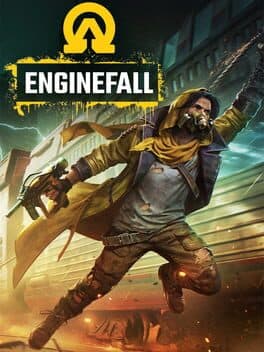
Enginefall game cover art
Emergent gameplayAdrenaline rush

Enginefall

Time
MODERATE
Focus
HIGH
Challenge
HIGH
Intensity
VERY HIGH
Mistfall Hunter game cover art
Satisfying to completeCompetitive

Mistfall Hunter

Time
MODERATE
Focus
HIGH
Challenge
HIGH
Intensity
HIGH
Dune: Awakening game cover art

Dune: Awakening

Time
HIGH
Focus
HIGH
Challenge
MODERATE
Intensity
MODERATE
V Rising game cover art

V Rising

Time
MODERATE
Focus
HIGH
Challenge
MODERATE
Intensity
MODERATE
Barotrauma game cover art
Emergent gameplay

Barotrauma

Time
HIGH
Focus
HIGH
Challenge
HIGH
Intensity
HIGH
Fortnite game cover art
Satisfying to completeCompetitive

Fortnite

Time
LOW
Focus
HIGH
Challenge
MODERATE
Intensity
MODERATE
← Back to Home