Bungie • 2026 • Xbox Series X|S, PC (Microsoft Windows), PlayStation 5
Marathon is worth it right now if you want tense weeknight loot runs built on excellent shooting. Its best trick is how quickly it creates stories: a cautious entry, one surprising firefight, a bag full of valuables, then that awful question of whether to leave or get greedier. The gun feel and art direction give those runs real personality, and the lower price helps compared with bigger live-service launches. The catch is that it asks for real attention. There is no pause, the menus are rougher than they should be, and the game feels better with friends even though solo works. Buy at full price if that extraction loop already sounds like your kind of stress and you can give it uninterrupted 60 to 90 minute sessions. Wait for a sale if you like shooters but are unsure about launch-week service friction or mostly play alone. Skip it if you want a strong story, relaxed evenings, or something you can safely drop the moment real life interrupts.

Bungie • 2026 • Xbox Series X|S, PC (Microsoft Windows), PlayStation 5
Marathon is worth it right now if you want tense weeknight loot runs built on excellent shooting. Its best trick is how quickly it creates stories: a cautious entry, one surprising firefight, a bag full of valuables, then that awful question of whether to leave or get greedier. The gun feel and art direction give those runs real personality, and the lower price helps compared with bigger live-service launches. The catch is that it asks for real attention. There is no pause, the menus are rougher than they should be, and the game feels better with friends even though solo works. Buy at full price if that extraction loop already sounds like your kind of stress and you can give it uninterrupted 60 to 90 minute sessions. Wait for a sale if you like shooters but are unsure about launch-week service friction or mostly play alone. Skip it if you want a strong story, relaxed evenings, or something you can safely drop the moment real life interrupts.
Players repeatedly say the weapons, movement, and hit feedback carry the whole package. Even skeptics tend to agree the moment-to-moment fights feel polished.
New players often struggle with cluttered menus, small icons, and weak information hierarchy. That friction shows up in loadouts, selling loot, and learning early systems.
You can queue alone, but many players say the game opens up in coordinated crews. Revives, shared scouting, and split attention make trios feel more natural.
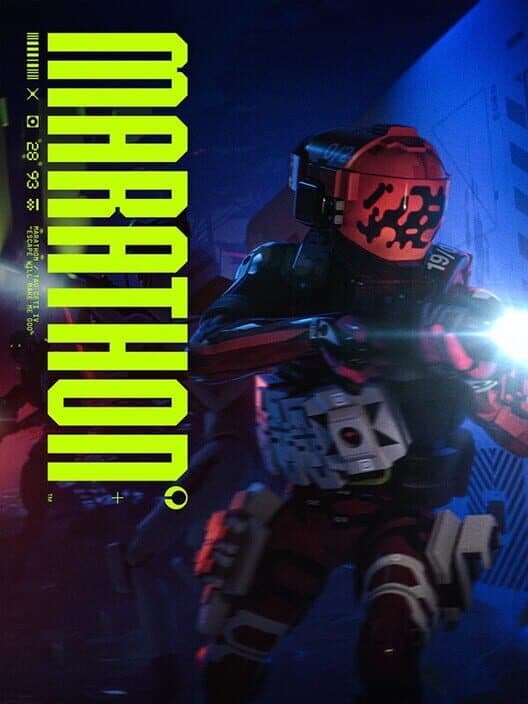
The bright neon surfaces, eerie sci-fi ruins, and clean sound design help Marathon stand out. Many players say the world feels distinct even before lore fully lands.
Reports of bugs, disconnect edge cases, and settings issues do not define the game, but they interrupt momentum enough to show up in launch-week impressions.
Players repeatedly say the weapons, movement, and hit feedback carry the whole package. Even skeptics tend to agree the moment-to-moment fights feel polished.
The bright neon surfaces, eerie sci-fi ruins, and clean sound design help Marathon stand out. Many players say the world feels distinct even before lore fully lands.
New players often struggle with cluttered menus, small icons, and weak information hierarchy. That friction shows up in loadouts, selling loot, and learning early systems.
Reports of bugs, disconnect edge cases, and settings issues do not define the game, but they interrupt momentum enough to show up in launch-week impressions.
You can queue alone, but many players say the game opens up in coordinated crews. Revives, shared scouting, and split attention make trios feel more natural.
Runs fit a weeknight better than many live games, but the online-only, no-pause structure means your real-life schedule must cooperate.
Marathon fits weeknights better than many live online games, but only if your time is predictable. A single run can wrap in about 15 to 25 minutes, yet the real session usually includes loadout prep, selling loot, reorganizing your stash, and talking yourself into one more drop. That makes 60 to 90 minutes the sweet spot. The good news is that runs have clean stopping points after an extract or death, so it is easier to end a session here than in a giant open-world game. The bad news is everything inside a run is fragile: there is no pause, you cannot save mid-match, and stepping away can cost your gear. Returning after a week or two also takes a little rebuilding because you must remember your preferred shell, inventory state, and current goals. Socially, solo is possible, but friends reduce stress and make the game feel more complete. Most players will feel they have truly gotten it after roughly 20 to 30 hours, not months.
Quiet looting never really means downtime. You're always listening, scanning angles, judging loot value, and getting ready for a fight that can start instantly.
Marathon asks for full-body attention. Even the quiet parts are active: you're listening for footsteps, checking sightlines, weighing loot value, watching AI patrols, and deciding whether a nearby gunfight is an opportunity or a trap. When combat starts, the game shifts fast from cautious planning to sharp aim, movement, healing, and target priority. That mix makes it more mentally busy than a standard arena shooter, and far less forgiving of distraction than a story game you can half-watch while tired. In return, it delivers tense, satisfying reads on the battlefield. Good runs feel smart, not lucky, because you noticed the sound cue, read the route correctly, or left thirty seconds before another crew arrived. If you enjoy games that reward constant awareness and quick judgment, Marathon is gripping. If you want something you can play while chatting, watching TV, or tending to real-life interruptions, this is one of the worst fits in the current multiplayer space.
Shooting basics click fast, but real comfort takes time because menus, route knowledge, loot judgment, and leaving at the right moment all matter.
Marathon is easier to pick up than its harsher competitors, but harder to truly settle into than a normal online shooter. The basic layer is familiar: move, aim, shoot, loot, heal. The harder layer is knowing what matters. You need to learn routes, shell strengths, useful attachments, contract flow, what loot is worth carrying, and when a good player should simply leave. The current menus make that learning slower than it should be, especially in the first several hours. Compared with something like Destiny's campaign, the onboarding is rougher. Compared with Escape from Tarkov, it is cleaner and less punishing. Mistakes hurt, but short runs and rebuild options mean every failure can still teach you something useful. Most people will understand the basics quickly, then spend another 10 to 20 hours building real comfort. If you like learning through repeated runs and small improvements, that curve feels rewarding. If you want clean tutorials and instant confidence, the early friction may test your patience.
The pressure comes from what you might lose, not just who might shoot you. Every good run makes the escape feel more dangerous.
Marathon feels stressful on purpose. The heat does not come from impossible mechanics so much as rising stakes: every gun, mod, and valuable item in your bag makes the next minute feel riskier. That creates the good kind of stress for the right player, where extracting with a half-empty health bar feels incredible and a smart retreat can be as exciting as winning a duel. The bad side is that loss lands hard. A sloppy peek, a third-party ambush, or a disconnect can turn twenty good minutes into nothing, and that can sour a tired evening fast. It is still gentler than the harshest extraction games because runs are shorter, recovery is possible, and the overall presentation is stylish rather than oppressive. But make no mistake, this is a keyed-up experience. Play it when you want alert, high-stakes energy. Save it for another night if you are already drained, short-tempered, or likely to resent losing progress to one rough fight.
Games with a similar rhythm and feel, even if they look different