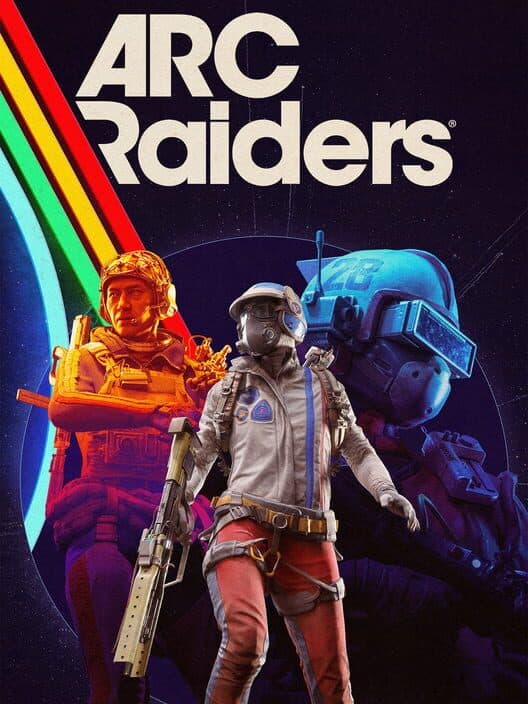
ARC Raiders

Embark Studios2025Xbox Series X|S, PC (Microsoft Windows), PlayStation 5
Tense PvPvE robot-filled raids

30-minute runs, strong stopping points

Best with friends, solo workable

Is ARC Raiders Worth It?

ARC Raiders is worth it if you like high-tension co-op shooters and can handle the sting of losing gear when things go wrong. It delivers gripping stories, great atmosphere, and strong progression, but it asks for focus and a decent tolerance for stress. With 30-minute raids and a flexible hub, it fits nicely into 60–90 minute sessions for working adults. You’ll need to accept that raids can’t be paused and that some evenings will end in frustrating wipes instead of big wins. In return, you get memorable “remember when…” moments, a satisfying sense of growth, and a unique retro-futurist world to inhabit with friends. Buy at full price if you enjoy extraction-style games, thrive on risk–reward decisions, and have a regular group or are comfortable with matchmaking. Consider waiting for a sale if you mostly play to relax. Skip it if you hate losing progress, dislike online-only games, or rarely have uninterrupted half-hour blocks.

When is ARC Raiders at its best?

When you have a focused 60–90 minute evening slot and want one or two intense raids with clear start and stop points, plus a bit of satisfying base tinkering afterward.

On a weekend night when two friends can jump on voice, you’re all in the mood for tension and stories, and you want shared close calls more than structured competitive matches.

On a quiet afternoon where you can commit to uninterrupted 30-minute chunks and feel like learning a new map or enemy type, building your confidence without pressure to grind all day.

What is ARC Raiders like?

ARC Raiders fits surprisingly well into an adult schedule if you can carve out solid hour-long blocks. The structure is simple: gear up in a safe hub, run a raid that lasts up to 30 minutes, then decompress while you sell loot, craft, and plan. That loop makes it easy to say “just one or two raids” on a weeknight. The catch is that raids can’t be paused, so real-life interruptions during a deployment are costly. This is not ideal if you’re frequently pulled away on short notice. Long-term, you’re looking at roughly 30–50 hours before you’ll probably feel you’ve seen the main maps, enemy types, and progression layers. Coming back after a long break takes some re-learning, since there are multiple systems and status bars to remember. Socially, the game leans toward squads but doesn’t force them, which makes scheduling easier—you can play solo on quiet nights and with friends when schedules line up.

Tips

  • Aim for sessions where you can fit at least one full raid plus hub time, roughly an hour door-to-door.
  • On busier nights, limit yourself to “edge runs” with safer routes so you can extract earlier if something comes up.
  • If you expect interruptions, stick to hub management and planning instead of deploying into a full surface raid.

This is not a background-noise game. Once you deploy topside, the experience pulls a lot of focus: you’re listening for ARC patrols and other squads, checking the map, planning routes, and watching ammo and shields. It feels similar to a lighter extraction shooter or a tense stealth mission rather than a casual looter where you can half-watch a show. Gunfights still require you to aim and react, but the real mental load comes from constant risk calculations: push for one more container, or head to extraction now? Engage that squad, or stay hidden? This makes raids engaging but mentally tiring if you’ve had a long day. The good news is that the hub is much more relaxed; between raids you can catch your breath, manage inventory, and plan at your own pace. If you can give the game your full attention for 30-minute bursts, it rewards you with strong immersion and satisfying decision-making.

Tips

  • Treat each raid like a focused task: silence notifications and accept that 30 minutes is for the game, not multitasking.
  • Plan a rough route in the hub so you’re making tweaks, not big decisions, once the raid clock is running.
  • If playing with strangers distracts you, mute voice chat and rely on pings and sound cues to stay mentally clear.

Learning the basics of ARC Raiders is straightforward: move, shoot, loot, extract. Within a single session you’ll understand what the game expects. The real learning curve is about surviving consistently. You’ll need time to recognize enemy types, understand which fights you can win, and read the terrain so you don’t blunder into crossfire. The systems layer on gradually—crafting, skill trees, Expeditions—but never reach hardcore simulation levels. For a busy adult, it feels comparable to a modern action RPG: a few evenings to stop feeling lost, a few dozen hours to feel genuinely skilled. The payoff for improvement is strong. As you learn, successful extractions become more common, your income stabilizes, and you can bring better gear without constant fear. Map knowledge and calm decision-making turn early chaos into satisfying control. If you enjoy feeling yourself get better at a game over time, this one makes that growth very visible and rewarding.

Tips

  • Focus early on learning one map well instead of hopping between them; familiarity sharply increases your survival chances.
  • Set small skill goals per week, like “win more long-range fights” or “practice quiet flanks,” to feel steady improvement.
  • Don’t hoard resources forever; using good gear teaches you faster than endlessly hiding it in storage.

Emotionally, ARC Raiders runs hot. The mix of limited-time raids, gear loss on death, and unpredictable human opponents creates a level of tension that many story shooters never reach. You’ll feel your stomach tighten when you start an extraction elevator or when footsteps echo nearby. That said, the game isn’t punishing for punishment’s sake. It’s more forgiving than ultra-hardcore extraction titles: starter kits, safe storage, and steady account progression cushion bad runs so a single death rarely wipes out days of effort. Still, getting ambushed and losing a carefully crafted loadout can sting, especially if you’re already stressed from work or life. The emotional ride is primarily “good stress” – excitement, dread, relief – not horror-style panic or despair, but it’s definitely stimulating rather than soothing. If you’re looking to unwind peacefully, this probably isn’t the right game. If you want something that makes you lean forward in your chair, it delivers in spades.

Tips

  • Avoid playing when you’re already frazzled; pick nights when you can enjoy tension rather than resent it.
  • Start with cheaper kits until you’re comfortable, so losing a run feels like a lesson, not a disaster.
  • Stop after a big win or a rough loss; forcing “one more run” usually increases frustration.

Frequently Asked Questions