WB Games • 2022 • Xbox Series X|S, PlayStation 4, PC (Microsoft Windows), PlayStation 5, Xbox One, Nintendo Switch
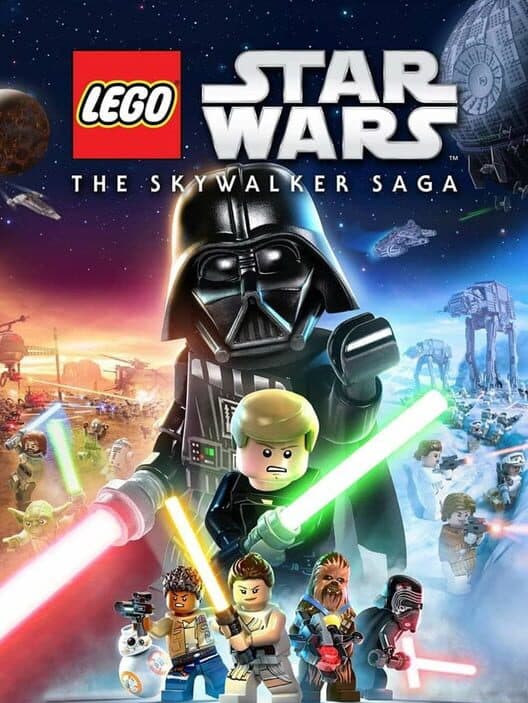
LEGO Star Wars: The Skywalker Saga
WB Games • 2022 • Xbox Series X|S, PlayStation 4, PC (Microsoft Windows), PlayStation 5, Xbox One, Nintendo Switch
Is LEGO Star Wars: The Skywalker Saga Worth It?
Yes, LEGO Star Wars: The Skywalker Saga is worth it if you want a cheerful, low-stress Star Wars game that lets you tour all nine films at your own pace. Its best feature is simple: it turns Star Wars into comfort food. The movie scenes are funny, the planets are fun to poke around in, and every session hands you something tangible, whether that is a finished mission, a new character, or a few upgrades. Buy at full price if you love Star Wars, want an easy couch co-op game, or just want something relaxing to chip away at after work. Wait for a sale if you like the setting but are not excited by collectibles, because the optional cleanup gets repetitive and the combat stays pretty light. Skip it if you want deep combat systems, tough puzzles, or a game that keeps surprising you mechanically for dozens of hours. For most players, the sweet spot is the main saga plus some free-roam planet exploring.
What is LEGO Star Wars: The Skywalker Saga like?
Opinions of LEGO Star Wars: The Skywalker Saga
What Players Love
- Players Love
A joyful tour through iconic Star Wars moments
Players love hopping across famous planets, replaying all nine films, and unlocking a huge character roster. The scale and affection for the license are a major draw.
- Players Love
Easy couch co-op welcomes partners, kids, and newcomers
Many players praise how readable and forgiving it feels in local co-op. It is easy to share with less-experienced players without constant failure or rules overload.
- Players Love
LEGO humor and polished scenes keep things charming
Even players with complaints often praise the playful cutscenes, sharp visual detail, and warm slapstick tone. The presentation helps the whole package stay easygoing.
Common Concerns
- Common Concern
Optional cleanup turns repetitive before full completion for many
A common complaint is that side content becomes checklist-heavy, with many similar errands and collectibles across hubs. The main story lands better than 100% cleanup for many.
- Common Concern
Bugs and camera issues can disrupt smooth sessions
Players regularly mention quest bugs, soft locks, split-screen awkwardness, and camera frustration. These problems do not hit everyone, but they come up too often to ignore.
Divisive Aspects
- Divisive
New combat and larger hubs feel fresh or shallow
Some players enjoy the added aiming, combos, and broader planet hubs. Others feel the extra busywork does not add enough depth to the basic action.
What does LEGO Star Wars: The Skywalker Saga demand from you?
Time
LOWTime
The campaign is a medium-size project with clean mission endpoints, frequent autosaves, and easy weeknight progress, though collectible cleanup can sprawl.
Focus
LOWFocus
Most sessions feel easy to read and low strain, with simple fights, obvious puzzle prompts, and enough freedom to wander without needing razor-sharp concentration.
Challenge
LOWChallenge
You can learn the basics quickly, get comfortable in a night or two, and enjoy the full ride without chasing deep combat mastery.
Intensity
VERY LOWIntensity
This is breezy Star Wars comfort play: a little action spark, almost no real pressure, and setbacks so light that the mood rarely turns stressful.
Frequently Asked Questions
You Might Also Like
Games with a similar rhythm and feel, even if they look different