hello@slated.gg
Powered by IGDB•Privacy•Terms

© 2026 Slated.gg

Slated.gg
Popular GamesAboutDiscover Games
Doomsday Diner

Space Rock Games • 2026 • PC (Microsoft Windows)
Satisfying to completePerfect for a weekendLighthearted & fun
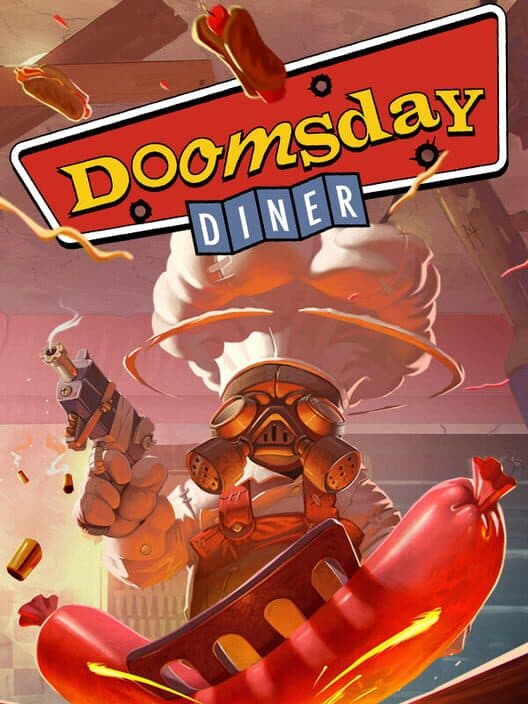
Doomsday Diner cover art

Doomsday Diner

Space Rock Games • 2026 • PC (Microsoft Windows)

Satisfying to completePerfect for a weekendLighthearted & fun

Is Doomsday Diner Worth It?

Doomsday Diner looks worth it if you want a short, funny chaos game and can live with some rough edges. Its best trick is how quickly the whole idea lands: you are cooking hot dogs, pouring coffee, cleaning up messes, and stepping outside to shoot raiders before they smash your earnings. That mash-up feels fresh, and the day-based structure should make it easy to sample in tidy evening chunks. The catch is control feel. A lot of the challenge seems to come from awkward object handling and physics wobble, so this is a much easier full-price buy for people who already enjoy messy slapstick games than for anyone craving clean restaurant management. Because public impressions are still fairly thin, it is also a safer full-price bet for people already sold on the premise. Wait for a sale if you are curious but sensitive to jank, motion sickness, or early balance issues. Skip it if you want calm play, precise controls, or a story-heavy experience.

What is Doomsday Diner like?

Opinions of Doomsday Diner

What Players Love

  • Players Love

    The wasteland hot dog premise is instantly memorable

    Players say the setup sells itself fast: the last hot dog stand in a ruined world is weird, funny, and memorable enough to create instant interest.

  • Players Love

    Cooking, cleanup, upgrades, and gunfights make a fresh mix

    Fans like that it is not just cooking or just shooting. The fun comes from juggling food, cleanup, upgrades, and raider defense in one messy shift.

Common Concerns

  • Common Concern

    Object handling can feel clunky instead of chaotic fun

    The biggest complaint is that grabbing, placing, and moving items can feel awkward. For some players that adds slapstick charm, but for others it creates friction.

  • Common Concern

    Some upgrades and balance still feel rough in the demo

    A smaller but real concern is tuning. Some players say a few upgrades feel underpowered or less useful than the basic tools, making progress feel uneven.

Divisive Aspects

  • Divisive

    The trailer's hot-dog humor charms and confuses people

    The strange marketing style stands out, but not everyone reads it the same way. Some love the hot-dog viewpoint and jokes, while others find it unclear.

What does Doomsday Diner demand from you?

Time

LOW

Time

This fits best in one-day chunks, with clean stopping points between shifts but less flexibility once a busy service rush is underway.

LOW

This looks friendly to scheduled play, with one important catch. The day-based structure gives you natural stopping points, so it should fit nicely into 30 to 60 minute chunks or a longer evening where you play a couple of days back to back. That is great for people who like ending on a clean checkpoint rather than wandering around looking for a place to quit. The catch is that once a day starts, it demands your full attention until you pause or reach the end. It is single-player, so stepping away should be possible, but the checkpoint-style saving and real-time rushes make it less flexible than a relaxed builder or turn-based game. Coming back after a break also looks manageable. The loop is easy to remember, and you probably will not need a wiki or long reorientation session. You will mostly need a warm-up round to remember your layout and how the controls feel. So this asks for short, intentional sessions rather than endless commitment. It seems built for regular bites across a week, not for becoming your only game for months.

Tips
  • Plan to stop after a day, not in the middle of one; the structure supports clean exits far better than emergency mid-rush breaks.
  • After time away, do one warm-up shift to relearn your layout and upgrade flow before expecting a clean high-earning run.
  • Because saving looks checkpoint-based, finish a full day whenever possible before quitting so you do not waste momentum.

Focus

HIGH

Focus

Most shifts feel like frantic plate spinning, with short bursts of aiming, grabbing, and triage where looking away for even a few seconds can snowball the mess.

HIGH

Doomsday Diner asks for steady, active attention and pays it back with funny, satisfying near-disasters. A normal day is not about long-term planning. It is about keeping a lot of small problems from piling up at once. You are watching order timers, remembering where tools sit, moving around a cramped space, and deciding whether the next few seconds belong to customers, cleanup, or raiders. That makes it a poor fit for half-watching TV or checking your phone during play. The thinking itself is practical rather than cerebral. You are making fast triage calls and reacting with your hands more than solving deep systems or puzzles. Where this gets interesting is the physical layout. Once you know your station setup, runs start feeling smoother and more readable. Until then, the game's wobblier item handling can make even simple actions take more attention than they should. In return, when a shift clicks, you get that great kitchen-panic rhythm where every quick choice matters and barely holding the whole mess together feels exciting.

Tips
  • Before starting a day, place coffee gear, cleaning tools, and ammo in fixed spots so you spend less brainpower searching during rushes.
  • Treat raiders like timed interruptions: clear them quickly, then return to food prep before dirty tables and expired orders stack up.
  • If physics keeps causing drops, simplify your flow and prep one thing at a time instead of chasing perfect multitasking.

Challenge

MODERATE

Challenge

The tough part is not a huge ruleset. It is getting comfortable with awkward, physics-heavy handling so your hands can keep up.

MODERATE

The big hurdle here is not understanding what to do. You will grasp the job quickly: cook, serve, clean, defend, upgrade. What it really asks for is comfort with messy first-person handling and a willingness to build your own routine through repetition. Early on, the hardest part will probably be making your hands do what your brain already wants. Picking things up, placing them cleanly, and moving through clutter may feel awkward before they feel funny. That is why this will likely land closer to Overcooked mixed with Surgeon Simulator than a deeply technical management game. Once the layout and motions become familiar, improvement should come fast. You start seeing cleaner prep lines, better timing, and smarter moments to break off and fight raiders. It also seems reasonably kind about long-term failure. A bad day looks more like lost money and a rough shift than a full restart. So the game asks you to push through some early clumsiness, then pays you back with a clear sense of getting sharper, faster, and less overwhelmed from one night to the next.

Tips
  • Spend your first few runs learning where everything lives rather than maximizing earnings; layout memory matters more than fancy optimization early.
  • Repeat the same prep motions for buns, sausages, and coffee until they feel automatic, then layer in cleaning and defense.
  • If a tool or upgrade feels worse than the default, switch back and relearn the basics instead of assuming you must use it.

Intensity

MODERATE

Intensity

It is more hectic than punishing, raising your pulse with timers and raiders while the dark jokes turn many disasters into laughter instead of dread.

MODERATE

This is a lively, pressure-heavy game, but not a grim one. It asks you to live in small bursts of panic with burning food, expiring orders, dirty tables, and cash under threat, then rewards you with laughter when the whole thing turns into slapstick nonsense. The pressure comes less from fear and more from snowballing mess. If you miss one task, two more start stacking behind it. Raiders raise the stakes, yet the goofy tone keeps the mood from turning mean or exhausting in the same way a horror game can. That said, the chaos is real. If you dislike timers, multitasking, or being rushed, even the jokes may not fully soften it. For the right person, though, that edge is the point. The game turns everyday diner chores into a frantic little survival comedy, and each close-call finish can feel surprisingly heroic. Think energized and flustered, not emotionally heavy. It is best when you want a short burst of rising pressure and a story you will laugh about afterward, not when you want a peaceful wind-down.

Tips
  • End sessions at day boundaries when you feel tilted; this game works better in fresh bursts than after you start forcing one more shift.
  • Buy upgrades that reduce chaos first, like easier prep or smoother handling, before chasing pure profit or stronger firepower.
  • Lower room clutter whenever you can, because messy floors and misplaced tools make stressful moments feel harsher than they need to.

Frequently Asked Questions

Doomsday Diner looks medium-hard, but mostly in a messy execution way rather than a brutal skill-check way. The rules seem easy to grasp. You cook, serve, clean, defend, and buy upgrades. The hard part is doing all of that quickly in first person while the physics make grabbing and placing items a little awkward. Think more Overcooked pressure mixed with some Surgeon Simulator clumsiness than Dark Souls punishment. A busy adult should probably expect the first few hours to feel rougher than the later ones, because layout memory and hand feel matter a lot here. Once your station setup clicks, the game should become more about staying calm under pressure than learning totally new systems. It does not look like the kind of game that demands perfect aim or elite reflexes, but it also does not seem especially gentle if you hate timers. If you enjoy frantic multitasking, it may feel challenging in a fun way. If you want smooth controls and low stress, it may feel harder than its systems actually are.

Doomsday Diner looks like a fairly compact game. Based on the demo structure and store framing, most people will probably feel they have seen the full idea in about 6 to 10 hours, with closer to 10 to 15 hours if you want a heavily upgraded diner and cleaner late-game shifts. It does not read like a huge months-long commitment. The game seems built around self-contained days, so a typical session will likely be one or two shifts in 30 to 60 minutes, or a longer 60 to 90 minute night if you want time for upgrades and another run. That structure is a real plus because it gives you natural stopping points instead of asking you to wander around looking for a save spot. The downside is that saving appears to be checkpoint-based rather than totally free, so it may be best when you can finish a full day before quitting. If you love shaving time off your routine, replaying for cleaner runs could stretch it further.

Doomsday Diner looks pretty stressful in a fun, hectic way, not in a bleak or terrifying way. The pressure comes from timers, messy workstations, sudden raider attacks, and that awful feeling of three small problems turning into ten at once. If you enjoy games where you barely keep the wheels from coming off, this will probably create the good kind of stress. You finish a rough day flustered, then laugh about the sausage that flew across the room or the fight you had to clean up between customers. The bad stress risk comes from the controls. If the object handling feels clunky to you, the game may stop feeling playfully chaotic and start feeling irritating. That is the main line it has to walk. It also does not look like a great bedtime wind-down game unless frantic multitasking helps you relax. Best time to play is when you want energy and a short burst of pressure. Worst time is when you are already tired, distracted, or easily annoyed by small control mistakes.

Yes, it is fully built for solo play, and that is clearly the intended way to experience it. There is no sign of co-op, competitive play, or social obligations, so you never need friends online or a fixed group schedule. That makes it easy to own as a personal weeknight game. It is also fairly friendly to short sessions, but not to divided attention. The day-based format should let you play in tidy chunks and stop at clear boundaries, which is great if you have 30 to 60 minutes. The catch is that an active day still demands focus. Once the orders start piling up, this is not the kind of game you casually half-play while answering messages or walking away for long stretches unless you pause first. Coming back after time away should be simple, because the loop is easy to remember. You will mostly need a warm-up shift to remember where your tools are and how the controls feel.

No, there is no sign that Doomsday Diner is pay-to-win. Everything publicly listed points to a normal one-time purchase on PC, with a separate free demo and no battle pass, premium currency, paid boosts, or power packs. The upgrades you use in the diner appear to be earned through play by surviving days, serving customers, and managing the chaos well enough to improve your tools, diner, or weapons. That matters, because the whole appeal here is learning the routine and getting sharper over time. Selling faster progress would undercut the point of the game. The only reason to leave a tiny bit of caution is that public information is still thinner than it would be for a long-established release, and most current evidence comes from store pages and demo materials. Even with that caveat, nothing in the available details suggests any monetization beyond buying the game once. If you avoid games with paid advantages or endless store pressure, this looks safe.

You Might Also Like

Games with a similar rhythm and feel, even if they look different
Explore more→
Cult of the Lamb game cover art
Satisfying to completePerfect for a weekend

Cult of the Lamb

Time
MODERATE
Focus
MODERATE
Challenge
MODERATE
Intensity
MODERATE
Moonlighter game cover art
Satisfying to completePerfect for a weekend

Moonlighter

Time
LOW
Focus
MODERATE
Challenge
MODERATE
Intensity
MODERATE
Dave the Diver game cover art
Satisfying to completeLighthearted & fun

Dave the Diver

Time
MODERATE
Focus
MODERATE
Challenge
MODERATE
Intensity
LOW
Be My Horde game cover art
Satisfying to completePerfect for a weekend

Be My Horde

Time
LOW
Focus
MODERATE
Challenge
LOW
Intensity
MODERATE
Thick as Thieves game cover art
Satisfying to completePerfect for a weekend

Thick as Thieves

Time
LOW
Focus
MODERATE
Challenge
MODERATE
Intensity
MODERATE
Grand Theft Auto III game cover art
Satisfying to completePerfect for a weekend

Grand Theft Auto III

Time
LOW
Focus
MODERATE
Challenge
LOW
Intensity
MODERATE
← Back to Home