hello@slated.gg
Powered by IGDB•Privacy•Terms

© 2026 Slated.gg

Slated.gg
Popular GamesAboutDiscover Games
Curio Shop

Unknown Developer • 2026 • PC (Microsoft Windows)

Satisfying to completeRelaxing & low-pressureGreat for winding down
Curio Shop cover art

Curio Shop

Unknown Developer • 2026 • PC (Microsoft Windows)

Satisfying to completeRelaxing & low-pressureGreat for winding down

Is Curio Shop Worth It?

Yes, Curio Shop is worth it at full price if its pitch makes you smile. This is a tiny, darkly cute game about buying suspicious relics, selling them anyway, and living with the weird fallout. What makes it special is the tone. It mixes cozy shopkeeping, black comedy, and low-stakes risk in a way that feels distinct instead of edgy for its own sake. It does ask for a certain kind of patience. Much of the fun comes from reading listings, testing cursed items, and repeating short day loops until you learn what is safe, profitable, or delightfully terrible. If you want deep story scenes, intense action, or a rich tycoon game with lots of moving parts, this will probably feel too small. But if you like compact management games, playful experimentation, and a clear finish line, it delivers a lot for a cheap asking price. Buy now if you enjoy weird indie concepts and short sessions. Wait for a sale if you are picky about polish. Skip it if repetition and light interface roughness wear you down fast.

Opinions of Curio Shop

What Players Love

  • Players Love

    The cozy spooky tone works almost immediately for players

    Players quickly connect with the mix of cute pixel art, pettable cats, and dark humor. It feels warm and weird at the same time instead of mean-spirited.

  • Players Love

    Experimenting with cursed items is the main draw

    A big part of the fun is stocking risky objects just to see what chaos they cause. That surprise factor gives ordinary shopkeeping its personality.

  • Players Love

    There is lots of variety for such a small game

    Players like how much is packed into the price, from item variety to shop decor and character options. It feels more generous than its tiny scope suggests.

Common Concerns

  • Common Concern

    Later days can feel slow without faster time controls

    The core loop stays appealing, but some players say late runs become passive when earning gold or chasing perfect days. A speed-up option is a common request.

  • Common Concern

    Shop feedback and interface clarity still need polish

    Requests focus on clearer price reactions, stock warnings, and better tracking for safe or already tested items. Most criticism is about readability, not the premise.

What does Curio Shop demand from you?

Time

LOW

Time

Short day loops, full pause, and a clear ending make this easy to fit into weeknights, even if auto-saving limits exact quit timing.

LOW

Curio Shop is friendly to a busy schedule. Its day-night loop creates natural stopping points, so you can play for one in-game day or string several together depending on your energy. That structure makes the game easy to fit into 30 to 90 minute sessions, and the clear long-term goal gives you a sense of progress even when you only play a little. It also helps that the game is solo only. There are no group commitments, no timed events, and no pressure to log in at specific hours. Full pause makes real-life interruptions easy to handle in the moment. The one caveat is saving. Because progress appears to rely on auto-saving rather than full manual control, it is smartest to quit around clean day boundaries when possible. The value exchange is strong for short-session players: it asks for a handful of compact sessions, then gives you a complete arc instead of a forever obligation. Expect a weekend-sized journey to the main goal, with optional extra time if you fall in love with collecting, decorating, or testing every curse.

Tips
  • Aim to stop at the end of a day whenever possible. That keeps progress tidy and reduces the chance of losing small bits of momentum.
  • Use short sessions for one or two focused goals, like testing new stock or saving for one upgrade, instead of trying to overhaul everything.
  • Because it is solo and self-paced, this works well as a weeknight game. You can step away without letting anyone else down.

Focus

LOW

Focus

Most of your time goes to reading strange listings, weighing risk, and making small shop calls, with only light real-time watching once customers arrive.

LOW

Curio Shop asks for steady attention, but not the kind that pins you to the screen in a death grip. Most of the mental work happens in short bursts while you browse dark-web listings, judge which items seem safe, decide what belongs on your shelves, and choose whether to chase profit or play it safe. That means the game rewards curiosity and light planning more than fast hands. Once the shop opens, the pace loosens. You still want to watch customers, notice what sells, and react to cursed fallout, but it is closer to gentle supervision than to constant emergency management. The value exchange is simple: it asks for small, thoughtful choices and a bit of memory for risky items, then pays you back with satisfying little experiments and funny consequences. You can play it while a podcast is on, especially during setup, but it is not ideal as pure background noise. If you enjoy reading details and making tidy little business calls, the loop feels pleasantly engaging without becoming mentally exhausting.

Tips
  • Use early days to learn item behavior instead of maximizing every dollar. The knowledge you gain matters more than squeezing out tiny short-term profits.
  • Treat the night phase like your planning window. Read slowly, buy with intention, and set shelves before the daytime rush starts.
  • If you return after a break, do one cautious day first. It is the easiest way to remember risky stock and your current upgrade plan.

Challenge

LOW

Challenge

You can understand the loop quickly, but getting clever about curses, profits, and shop ratings takes a few relaxed sessions of trial and error.

LOW

This is easy to start and pleasantly tricky to optimize. The basic loop should click within an hour or two: buy suspicious goods at night, put them on shelves, watch the day unfold, and spend your earnings on upgrades or decor. Nothing about that sounds mechanically intimidating, and the mouse-first setup helps keep the barrier low. The deeper layer comes from learning which listings are bluffing, which risks are manageable, and how to balance steady money against the temptation to poke dangerous systems just to see what happens. That means the game asks for curiosity more than mastery in the traditional sense. You do not need perfect execution or a huge rules spreadsheet to enjoy it. What it gives back is the pleasure of slowly becoming a smarter shopkeeper through experimentation. If you like discovering a game's logic by playing with it, Curio Shop should feel welcoming. If you want every system explained up front and every result forecast clearly, the rougher edges may frustrate you more than they delight you.

Tips
  • Keep mental or written notes on item outcomes for your first few sessions. That removes repeat guesswork and makes later shopping choices much easier.
  • Do not obsess over perfect days right away. First learn what kinds of stock create trouble, profit, or both.
  • Use upgrades to smooth your routine, not just to chase flashy growth. A more manageable shop usually beats a bigger messier one.

Intensity

VERY LOW

Intensity

This is spooky-chaotic rather than nerve-shredding, with mild stakes and funny disasters that sting your plans more than your pulse.

VERY LOW

Curio Shop is much more mischievous than stressful. The dark-web premise, cursed objects, and occasional customer deaths give it a spooky edge, but the cute pixel art and goofy tone keep that edge from turning into dread. You are not dealing with long stretches of fear, heavy punishment, or the feeling that one mistake ruins everything. Instead, the game creates a lighter kind of pressure. You put a suspicious item on display, watch someone pick it up, and wait to see whether you made a smart gamble or a terrible one. That little moment of uncertainty is where most of the energy lives. The value exchange works well if you like low-stakes tension: it asks you to accept some risk and mild disorder, then rewards you with dark humor, surprise, and the fun of stories that go sideways. This is a good fit for evenings when you want something lively but not draining. It is less ideal if any amount of death, occult flavor, or messy surprise undercuts your idea of a relaxing game.

Tips
  • If you want a calmer session, stock more familiar items and treat cursed experiments as side tests instead of your whole business model.
  • When a day starts going badly, stop chasing perfection. Salvage the run, learn from it, and spend the next night rebuilding with safer choices.
  • Play this when you want playful tension, not deep comfort. The tone is cozy, but the chaos is still part of the appeal.

Frequently Asked Questions

Curio Shop is not a hard game for most players. It is much easier to learn than demanding management games or anything built around fast reactions. The basic loop is simple: read listings, buy stock, open the shop, watch what happens, and use your earnings to improve the store. The challenge comes from judgment, not execution. You are learning which items feel safe, which are risky, and when it is worth gambling for profit or curiosity. That makes it closer to a light shop sim with a dark joke running through it than to something punishing like Papers, Please. Hard to learn? No. Most people should understand the basics within the first session. Hard to master? A little more, especially if you want perfect days, high ratings, or efficient late-game money. That part asks for cleaner planning and better memory, but it still does not become brutally demanding. If you enjoy experimenting and can laugh off a few messy outcomes, the game should feel welcoming. If you hate learning by trial and error, it may feel trickier than its cute look suggests.

Most players will probably reach the main endpoint in about 4 to 8 hours, with 8 to 12 hours if you slow down to test more cursed items, decorate more heavily, or chase cleaner shop ratings. That makes Curio Shop feel like a weekend-sized game rather than a long-term hobby. It is also easy to break into chunks. One in-game day can be a quick check-in, while a 60 to 90 minute session lets you clear several days, buy upgrades, and make visible progress toward the artifact goal. The structure is great for weeknights because each loop ends cleanly. Full pause helps if life interrupts you mid-session, but the save system appears to rely on auto-saving rather than full manual control, so stopping at day boundaries is the safest habit. Completionists can stay longer by aiming for all curses, more achievements, or a fuller collection, but those are extra layers, not the core finish line. If you only want the main arc and a good taste of the systems, the time ask is refreshingly modest.

Curio Shop is lightly stressful in a fun, mischievous way, not in a sweaty-palms way. The main feeling is curiosity mixed with a little dread when you stock something sketchy and wait to see whether it earns money, causes trouble, or does both at once. That is the good kind of stress. It adds energy and humor without turning the game into a punishment machine. The bad kind of stress is pretty limited here. You are not under intense reflex pressure, you can pause, and mistakes usually cost you efficiency or shop rating rather than hours of progress. The darker themes do matter, though. Customer deaths, occult jokes, and the whole dark-web setup mean this is not as soothing as a pure cozy shop game. If your ideal wind-down game is gentle and wholesome from start to finish, this may feel a little too morbid. If you like spooky flavor without true horror intensity, it lands nicely. Best time to play is when you want something playful and odd after work, not when you want maximum comfort or complete mental autopilot.

Yes. Curio Shop is built for solo play, and that also makes it easy to play casually. There are no co-op systems, no competitive pressure, and no social obligations pulling you back at specific times. You can sit down, run a few in-game days, and stop without worrying about other people's schedules. That is a big plus if your playtime comes in short, uneven windows. It is also very friendly to interruptions in the moment because full pause lets you step away when real life shows up. The main caveat is save control. Since progress appears to be handled through auto-saving, it is smartest to stop at natural day boundaries when you can. Even with that limitation, this is still much easier to fit around a busy week than most long-form management games. Re-entry is simple too. If you take a few days off, you will usually remember the core loop right away. So yes, it is fully soloable, and just as important, it is one of those games you can enjoy casually without feeling like you are falling behind.

No, Curio Shop is not pay-to-win in any meaningful sense. It is a small premium purchase on Steam, and the available information points to a straightforward one-time price with no microtransactions, boosters, premium currencies, or paid shortcuts. There is also no competitive mode, ranked ladder, or multiplayer economy where spending money could give someone an advantage over other players. Everything that matters appears to come from playing the game itself: learning item behavior, making smarter stocking choices, upgrading your shop, and deciding how risky you want to be. That matters for trust. A game built around cursed-item experimentation could easily have gone down a manipulative path with extra packs or convenience purchases, but this one seems to avoid that completely. For a busy player, that means the value question is simple. You are judging whether the base game loop sounds fun, not whether you will need to spend more later to make progress feel reasonable. As of this analysis, there is no sign of pay-to-win design.

You Might Also Like

Games with a similar rhythm and feel, even if they look different

Explore more→
Travellers Rest game cover art
Satisfying to completeRelaxing & low-pressure

Travellers Rest

Time
MODERATE
Focus
LOW
Challenge
MODERATE
Intensity
VERY LOW
Story of Seasons: Grand Bazaar game cover art
Relaxing & low-pressureGreat for winding down

Story of Seasons: Grand Bazaar

Time
MODERATE
Focus
LOW
Challenge
LOW
Intensity
VERY LOW
Stardew Valley game cover art
Satisfying to completeRelaxing & low-pressure

Stardew Valley

Time
MODERATE
Focus
LOW
Challenge
LOW
Intensity
VERY LOW
Discounty game cover art
Satisfying to completeRelaxing & low-pressure

Discounty

Time
MODERATE
Focus
MODERATE
Challenge
LOW
Intensity
LOW
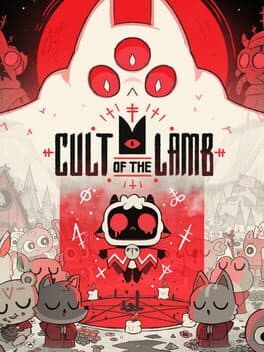
Cult of the Lamb game cover art
Satisfying to completePerfect for a weekend

Cult of the Lamb

Time
MODERATE
Focus
MODERATE
Challenge
MODERATE
Intensity
MODERATE
Coffee Talk: Tokyo game cover art
Satisfying to completeRelaxing & low-pressure

Coffee Talk: Tokyo

Time
LOW
Focus
VERY LOW
Challenge
VERY LOW
Intensity
VERY LOW
← Back to Home