hello@slated.gg
Powered by IGDB•Privacy•Terms

© 2026 Slated.gg

Slated.gg
Popular GamesAboutDiscover Games
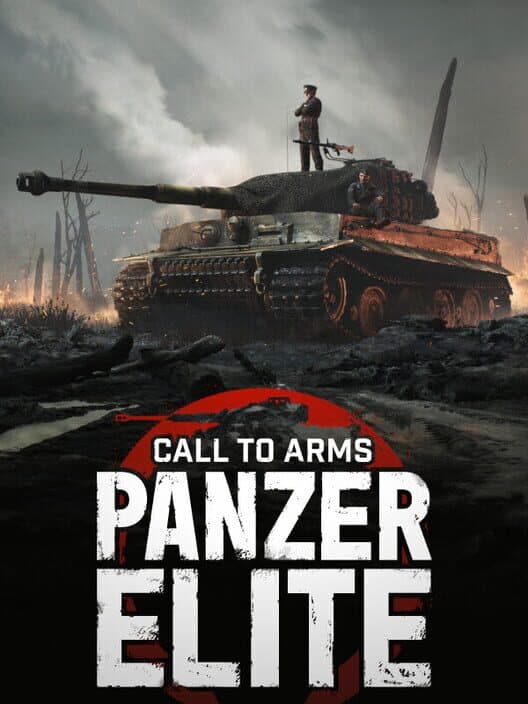
Call to Arms: Panzer Elite

Digitalmindsoft • 2025 • PC (Microsoft Windows)
Satisfying to completePerfect for a weekend
Call to Arms: Panzer Elite cover art

Call to Arms: Panzer Elite

Digitalmindsoft • 2025 • PC (Microsoft Windows)

Satisfying to completePerfect for a weekend

Is Call to Arms: Panzer Elite Worth It?

Yes, if you specifically want the rare fantasy of commanding a small WWII tank platoon and you can live with Early Access roughness. Call to Arms: Panzer Elite does something few games try: it lets you think like a commander, then jump into the driver or gun sight and personally carry out the plan. When it works, the mix of terrain reading, spotting, armor angles, and platoon orders feels great. You can finish the current core package in a reasonable span, and checkpoints make long missions far less punishing than they used to be. The catch is polish. AI behavior is still the biggest question mark, and the damage model does not always satisfy players who want strict realism. Buy at full price if that tank-command niche is exactly what you have been missing, especially if you want solo play or co-op with a friend. Wait for a sale if you like the idea but have little patience for rough edges. Skip it for now if you need slick, dependable systems or if repeated mission retries would sour the whole experience.

What is Call to Arms: Panzer Elite like?

Opinions of Call to Arms: Panzer Elite

What Players Love

  • Players Love

    Tank combat atmosphere sells the commander fantasy beautifully

    Even many mixed reviews praise the engine audio, battlefield look, and overall feel of commanding armor. The mood often lands even when systems still frustrate.

  • Players Love

    Co-op campaign feels rare and worth sharing with friends

    Players keep highlighting how unusual it is to run a full tank campaign together. That shared planning and spotting loop gives the game a clear niche.

Common Concerns

  • Common Concern

    Enemy and friendly AI still break player trust

    The biggest complaint is uneven AI behavior. Enemies can feel too sharp while allied tanks miss, stall, or route badly, which undercuts careful planning.

  • Common Concern

    Damage model still divides realism-focused players

    A sizable group feels armor penetration, survivability, and destruction results can seem inconsistent. That matters more here because realism is part of the promise.

  • Common Concern

    Early Access roughness still lingers despite clear improvements

    Checkpoints, controls, and stability have improved, but some players still report stutter, crashes, or placeholder-feeling elements that hurt confidence.

Divisive Aspects

  • Divisive

    Players disagree on how sim-like it should feel

    Some want a stricter simulation, while others prefer the current accessible approach. That debate shapes how people judge almost every balance change.

What does Call to Arms: Panzer Elite demand from you?

Time

MODERATE

Time

You can finish the core campaign in a reasonable span, but missions run long and returning after a break takes real reorientation.

MODERATE

This is not a forever game for most people, but it also is not a quick nightly snack. The current core package can feel complete after one campaign run and some skirmish sampling, which is good news if you want a finite experience. The catch is mission length. Even with checkpoints, battles are built as sizable operations that feel best when you can give them an hour or more. You can stop inside them now, but they are still mentally better in longer chunks than in tiny ten-minute slices. Solo play fits the schedule best because it removes coordination and host-setting friction. Co-op can be great, but it is extra planning on top of already long missions. Coming back after a week is doable, though not seamless. You may need a few minutes to remember your lanes, damaged vehicles, and why your platoon is positioned a certain way. The game asks for regular, deliberate sessions rather than constant daily play. In return, it gives meaningful progress most nights and a solid sense that you can finish what it offers without turning it into a second job.

Tips
  • Plan for 60 to 90 minute sessions even with checkpoints; missions feel better when you have time to scout and recover.
  • Before quitting, note your lanes, tank health, and next objective; that tiny recap makes next week's return much smoother.
  • If you want the smoothest schedule fit, play solo first; co-op adds fun but also adds coordination and setup friction.

Focus

HIGH

Focus

Slow tank movement buys thinking time, but hidden guns and platoon juggling mean you still need your full attention for most of every mission.

HIGH

This game asks for steady, active attention. Most of your time is spent scanning hedgerows, roads, and ridgelines before the enemy sees you first. Thinking matters more than fast fingers. You are reading armor angles, weighing lanes, deciding which tank should hold or follow, then switching from gun sight to wider command view to keep the platoon alive. The pace is slower than an action shooter, but it is not relaxed. The danger comes from missing one important detail, not from pressing buttons quickly. Because it runs in real time and hidden guns can punish a glance away, this works poorly as a second-screen game. You really do need to watch the battlefield. In return, it delivers a commander fantasy that feels rare and specific. When a cautious advance works because you picked the right ridge, covered the right road, and angled the right hull, the payoff feels earned. The game asks you to think carefully and stay present. It pays that back with the satisfaction of solving combat through judgment instead of raw speed.

Tips
  • Use binoculars before every crest or crossroads; spotting first matters more than firing first in a panic.
  • Keep one tank covering a lane while another moves; overlapping sightlines lower surprise deaths and reduce mental juggling.
  • Treat external view as command space and gunner view as execution space; switching with purpose keeps the battlefield readable.

Challenge

MODERATE

Challenge

Easy to understand on paper, harder to trust in practice; the first hours are about learning sightlines, armor behavior, and imperfect AI.

MODERATE

This is harder to settle into than to understand. The basic idea is simple enough: command a few tanks, scout carefully, and win by using terrain and armor well. The tricky part is learning why a plan failed. Did your shot bounce because of angle, distance, shell type, or game logic? Did an ally fail because of a bad order, weak pathing, or because you asked too much of it? The game does not always answer those questions clearly, especially in the early hours. That means learning comes through repetition, trial, and small personal discoveries rather than one perfect tutorial. The good news is that the challenge becomes more satisfying once the basics click. You stop feeling lost and start feeling deliberate. A map that first felt unfair begins to make sense because you now understand when to stop, scan, angle, and commit. The game asks for patience and a willingness to learn through messy outcomes. In return, it gives one of its best rewards: obvious, tangible improvement from session to session.

Tips
  • Replay early missions to test angles and ammo results; low-stakes practice teaches more than reading short tooltips.
  • Use simpler HUD settings until spotting and damage behavior make sense; immersion presets work better after the basics stick.
  • Treat allied AI as support, not autopilot; give short, clear jobs like holding one road or covering one approach.

Intensity

MODERATE

Intensity

Pressure comes in long, serious waves: cautious scanning, sudden deadly contact, then the sting or relief of seeing a hard-fought mission hold together.

MODERATE

The stress here is real, but it is not nonstop panic. Most of the pressure comes from knowing one bad peek can cripple your gun, kill your engine, or erase a strong position late in a mission. That makes every ridge line, road crossing, and suspected ambush angle feel important. The tone also stays serious from start to finish. There is no humor softening the mood, only the steady tension of historical armored warfare. What keeps it from becoming exhausting every second is the rhythm. Battles come in bursts. You scout, move, pause, and set up before the next violent exchange. Those quieter stretches give you room to breathe, even if your nerves never fully drop. Checkpoints and redeploy options also take the edge off the worst losses, so frustration is lower than it used to be. The game asks you to live with uncertainty and accept that mistakes hurt. In return, it delivers a strong sense of battlefield danger, plus the relief and pride that come from surviving a mission through careful choices.

Tips
  • Pause your advance after each contact and reset sightlines; rushing a small win usually causes the next ambush.
  • Spend redeploy points to save a mission, not your pride; recovering momentum is often better than restarting later.
  • End a session at a checkpoint after a major objective; late-mission fatigue causes more mistakes than enemy skill.

Frequently Asked Questions

Call to Arms: Panzer Elite is medium-hard overall, with a harder opening than its long-term difficulty might suggest. It is not hard in the fast, precision-heavy way of Sekiro or a twitch shooter. It is hard because information is limited, mistakes carry weight, and the game does not always clearly explain why a plan failed. The first several hours can feel rough while you learn spotting, armor angles, platoon commands, and how much trust to place in AI allies. Once those basics click, the game becomes more manageable, but it never turns breezy. A careful player on normal settings can absolutely get through it, especially now that checkpoints and redeploy options reduce full-mission restarts. So it is easier to learn than a deep grand strategy game, but harder to settle into than a polished action campaign. If you enjoy methodical trial and error, it will feel rewarding. If you hate unclear losses, uneven AI, or replaying a mission after a collapse, it may feel harsher than the raw difficulty label suggests.

Expect roughly 8 to 15 hours to finish the current German campaign if things click cleanly, and more like 12 to 20 hours if you are learning slowly, retrying tough missions, and sampling skirmish afterward. If you want to poke at more skirmish setups, co-op, or PvP, you can stretch well beyond that, but the core experience is not a 100-hour obligation. The bigger time ask is session length, not total length. Missions are self-contained and checkpoints now let you leave and come back, but battles still feel best in 60 to 90 minute chunks. You can stop earlier, yet the game is clearly designed around longer operations than quick ten-minute bursts. Completionists or players who want to test every vehicle and map can keep going for 20 to 35 hours or more, especially while Early Access updates continue. Most players will feel they got the main idea after one full campaign run and a few skirmishes, not after months of play.

Call to Arms: Panzer Elite is moderately stressful, with sharp spikes rather than constant panic. The main pressure comes from uncertainty. You spend long stretches scanning for threats, then one bad peek can cripple your tank or ruin a strong position late in a mission. That creates the good kind of stress if you enjoy careful planning under pressure. It creates the bad kind if you hate losing time to sudden reversals. The game is not as exhausting as a horror game or a nonstop competitive shooter because it has quieter movement and setup phases between fights. Those slower stretches let your nerves settle a bit. Checkpoints also help, since failure no longer always means starting from zero. Still, this is not cozy background play. It asks you to stay alert, and it can feel especially tense when AI behavior is unpredictable. It works best when you are in the mood for serious, focused play. It is a poor fit for nights when you want something light, sleepy, or easy to half-watch while doing something else.

Yes. It is fully soloable, and solo play is probably the cleanest way to experience it. The campaign and skirmish content are built to work without relying on other people, and a lot of the game's appeal comes from personally juggling command view, spotting, and tank control at your own pace. If you have limited gaming time, solo is also the easier fit because you do not need to coordinate schedules, settings, or mission restarts. That said, solo does ask more from you. You are handling both the tactical overview and the moment-to-moment fighting, while also working around friendly AI that players still criticize. Co-op can smooth some of that mental load by letting real people share spotting and vehicle control, and many players see that as one of the game's best selling points. But co-op is optional value, not a requirement. If you only care about single-player, the game still makes sense. Just go in knowing that solo is valid, rewarding, and sometimes more demanding because every battlefield decision ultimately lands on you.

No. Call to Arms: Panzer Elite is not pay-to-win. It is sold as a one-time purchase, and the available Deluxe or Supporter-style extras do not provide a gameplay advantage in the normal sense. Research also points to explicit messaging from the publisher that the project would not have microtransactions, which is a good sign for anyone tired of cash-shop pressure. That matters even more in a game like this, because so much of the experience depends on trust. You want losses to come from positioning, spotting, or judgment, not from someone having paid for stronger tools. Right now, there is no sign of that kind of monetization model. If you buy the game, your main concerns should be AI quality, Early Access roughness, and whether the tank-command loop sounds appealing to you. They should not be worries about hidden spending or competitive advantages locked behind extra payments. For value-minded players, this is a straightforward premium purchase rather than a long-tail spending trap.

You Might Also Like

Games with a similar rhythm and feel, even if they look different
Explore more→
Ace Combat 8: Wings of Theve game cover art
Satisfying to completePerfect for a weekend

Ace Combat 8: Wings of Theve

Time
LOW
Focus
HIGH
Challenge
MODERATE
Intensity
HIGH
Titan Quest II game cover art

Titan Quest II

Time
MODERATE
Focus
HIGH
Challenge
MODERATE
Intensity
MODERATE
Iron Nest: Heavy Turret Simulator game cover art
Satisfying to completePerfect for a weekend

Iron Nest: Heavy Turret Simulator

Time
MODERATE
Focus
HIGH
Challenge
MODERATE
Intensity
MODERATE
Where Winds Meet game cover art

Where Winds Meet

Time
MODERATE
Focus
MODERATE
Challenge
MODERATE
Intensity
MODERATE
← Back to Home