The Arcade Crew • 2027 • PC (Microsoft Windows)
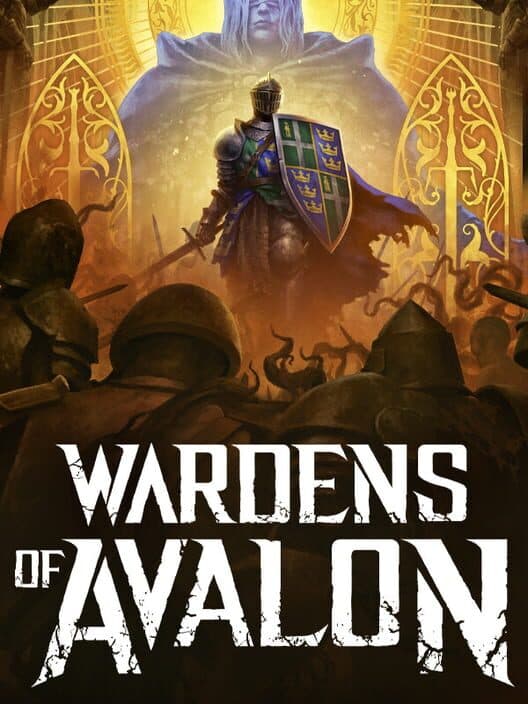
Wardens of Avalon
The Arcade Crew • 2027 • PC (Microsoft Windows)
Is Wardens of Avalon Worth It?
Wardens of Avalon looks worth watching, not blindly buying yet. The pitch is strong: dangerous expeditions into a ruined Arthurian world, then a satisfying trip home where your loot visibly rebuilds Camelot. If you like action combat with a bit of town planning and build tinkering, this could be a great fit. If you want smooth drop-in play, instant clarity, and zero friction, the current signs are shakier. The playtest feedback is promising but rough. People like the dark atmosphere, vertical maps, and the simple joy of turning hard-won resources into new workshops and districts. The main caution is usability: camera issues, clunky storage and crafting steps, and some unclear guidance showed up often in early impressions. My advice is simple. If launch reviews say the controls, camera, and workflow got cleaned up, this could be a strong full-price pick for co-op or solo action fans. If those issues remain, wait for a sale. Skip it if you need polished stop-anytime sessions.
What is Wardens of Avalon like?
Opinions of Wardens of Avalon
What Players Love
- Players Love
Rebuilding Camelot gives the combat loop real purpose
Players like that victories do more than drop better gear. Resources and boss progress feed new districts, workshops, and visible recovery back at home.
- Players Love
Dark Arthurian atmosphere and vertical spaces leave an impression
Early feedback often calls out the ruined Camelot mood, elevated paths, and strong vistas. The setting helps the game feel distinct even before polish is final.
Common Concerns
- Common Concern
Camera and lock-on still get in the way
This is the most repeated usability complaint so far. Players mention awkward follow behavior, camera control limits, and lock-on issues during hectic fights.
- Common Concern
Crafting, storage, and town workflow feel too fiddly
Several players say routine upkeep takes too many steps. Moving items, managing workshops, and remembering building locations can slow the fun between expeditions.
- Common Concern
Bugs and unclear guidance are hurting first impressions
Playtest reports mention quest confusion, odd respawns, missing loot, and shaky early direction. The hotfix helped, but rough edges still shape early trust.
Divisive Aspects
- Divisive
Early boss difficulty excites some players and frustrates others
Some players enjoy the sharper edge and want real pressure. Others say solo fights feel overtuned early, especially before the game has fully taught its systems.
What does Wardens of Avalon demand from you?
Time
MODERATETime
This seems built for 60 to 90 minute loops, but unclear pause and save rules make it less carefree than its hub structure suggests.
Focus
MODERATEFocus
Most sessions juggle active dodging with light base planning, so you need steady attention, but not the all-consuming tunnel vision of a competitive action game.
Challenge
MODERATEChallenge
The hard part seems to be learning the systems and reading bosses, not mastering a hundred-button control scheme or endless hidden rules.
Intensity
MODERATEIntensity
Fights look sharp enough to raise your pulse, especially solo, yet the trip back to Camelot gives regular breathers between the stressful parts.
Frequently Asked Questions
You Might Also Like
Games with a similar rhythm and feel, even if they look different