Unknown Developer • 2026 • PC (Microsoft Windows)
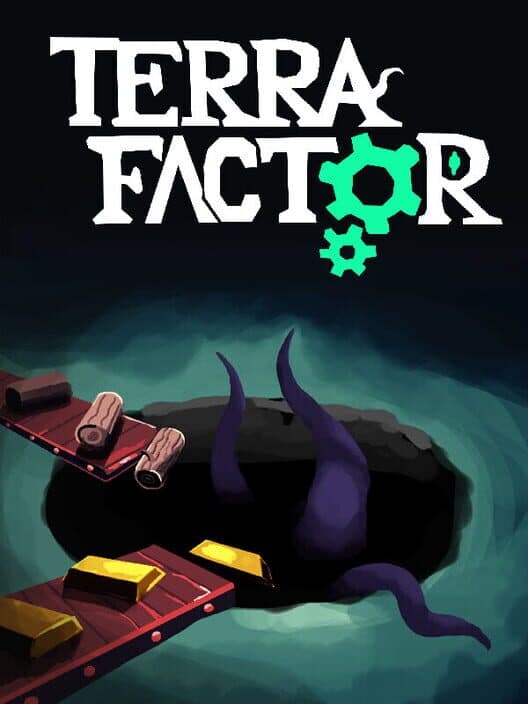
Terrafactor
Unknown Developer • 2026 • PC (Microsoft Windows)
Is Terrafactor Worth It?
Terrafactor is worth it if you want a compact automation game with a real endpoint. It shines when you enjoy spotting a bottleneck, building a cleaner production line, and watching manual chores disappear into self-running machines. The tesseract rooms are a smart hook too, because they keep factory organization cleaner than a lot of small builders. The tradeoff is Early Access roughness. Later progression gets grindier, combat can feel like an interruption instead of a thrill, and inventory or onboarding problems still show through. Buy at full price if that core factory loop already sounds like your kind of evening and you can tolerate some jank. Wait for a sale if you like the idea but want more polish, better quality-of-life tools, or a bigger content pool. Skip it if you want a pure cozy builder with no pressure, or if you mainly love giant factory games for their extreme depth.
Opinions of Terrafactor
What Players Love
- Players Love
The automation loop feels satisfying almost immediately to players
Many reviews say the hook lands fast as hand gathering turns into tidy machine chains. Each unlock removes busywork, so progress feels visible and rewarding early on.
- Players Love
Tesseract rooms help keep factory layouts cleaner and easier
Players often praise the tesseract system for giving production its own rooms. It makes factories easier to read and reduces the usual conveyor-spaghetti frustration.
Common Concerns
- Common Concern
Late progression gets grindier and combat scales awkwardly
A common complaint is that the back half asks for more grinding while enemies feel tougher than the weapons do. That can turn progress from satisfying into stop-start.
- Common Concern
Inventory and onboarding still feel rough in places
Small inventory limits, missing quick-stack convenience, and unclear progression steps show up often in feedback. Several patches already target this rough edge, but it still matters.
Divisive Aspects
- Divisive
Base defense pressure clashes with the cozy planning mood
Some players enjoy the light defense pressure because it gives the base purpose. Others feel the attacks break the calm planning rhythm they wanted from a builder.
What does Terrafactor demand from you?
Time
MODERATETime
A good fit for several evenings rather than several months: it has a real endpoint, no group obligations, but your factory still needs a little memory when you return.
Focus
HIGHFocus
Mostly a thinky builder: you spend your attention spotting bottlenecks, planning layouts, and checking power, with short combat bursts that stop it from being fully chill.
Challenge
MODERATEChallenge
The main hurdle is learning rough, underexplained systems, not performing expert maneuvers; once the basics click, the challenge shifts toward cleaner planning and efficiency.
Intensity
LOWIntensity
Usually calm with periodic spikes: tidy planning and optimization do most of the work, but enemy pressure can suddenly turn a peaceful session into a mild scramble.
Frequently Asked Questions
You Might Also Like
Games with a similar rhythm and feel, even if they look different