hello@slated.gg
Powered by IGDB•Privacy•Terms

© 2026 Slated.gg

Slated.gg
Popular GamesAboutDiscover Games
RuneScape: Dragonwilds

Jagex • 2025 • Xbox Series X|S, Nintendo Switch 2, PC (Microsoft Windows), PlayStation 5
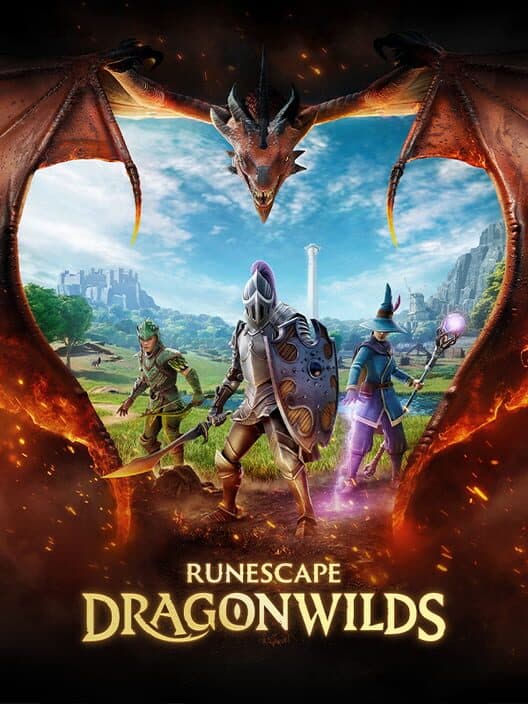
RuneScape: Dragonwilds cover art

RuneScape: Dragonwilds

Jagex • 2025 • Xbox Series X|S, Nintendo Switch 2, PC (Microsoft Windows), PlayStation 5

Is RuneScape: Dragonwilds Worth It?

RuneScape: Dragonwilds looks worth it if you want survival crafting with a clear finish line, especially if you like building a shared home and working toward one big dragon payoff. The likely sweet spot is people who enjoy Valheim-style evenings of gathering, upgrading, and slowly making a hostile world feel manageable. What helps it stand out is the RuneScape flavor layered onto that loop: skills, familiar fantasy identity, and a stronger sense of what you're working toward than many endless sandboxes. The catch is that it probably asks for regular attention, decent-sized sessions, and some tolerance for launch-era rough edges. Solo players may feel more friction, and anyone tired of the survival-crafting formula should be cautious. Buy at full price if shared progression, base building, and gradual gear improvement already sound like your thing. Wait for a sale if you're curious but unsure whether the world does enough to feel distinct. Skip it if you want a short, guided, fully pausable adventure or you mostly play in tiny, interruption-heavy bursts.

What is RuneScape: Dragonwilds like?

Opinions of RuneScape: Dragonwilds

What Players Love

  • Players Love

    Shared base-building and team progression look like the biggest draw

    Early reactions point to the shared camp as the heart of the experience. Dividing jobs, upgrading together, and prepping for tougher runs seem to create the strongest payoff.

  • Players Love

    RuneScape-style gathering gives the survival loop a familiar identity

    What stands out most is the blend of familiar skill-based gathering and modern survival structure. For many players, that mix is the main reason to pay attention.

Common Concerns

  • Common Concern

    Could feel too familiar beside other modern survival games

    The biggest question mark is whether the game does enough beyond its setting. If the systems feel standard, players may enjoy it less than stronger genre standouts.

  • Common Concern

    Solo balance, pacing, and launch polish need close watching

    Limited early discussion suggests the usual launch worries: rough onboarding, uneven progression speed, and uncertainty around whether solo play feels as good as co-op.

Divisive Aspects

  • Divisive

    The RuneScape flavor may land much harder for fans

    Some players will love the familiar world and skill identity on sight. Others may judge it almost entirely on how fresh its survival systems feel without that attachment.

What does RuneScape: Dragonwilds demand from you?

Time

MODERATE

Time

This works best in 60 to 120 minute blocks, with one world carrying your progress forward until you're ready for the dragon finale.

MODERATE

This seems best suited to regular evening play, not tiny stolen minutes. You can absolutely log in for a short maintenance session to sort storage, repair tools, or start some crafting, but the game probably shines in 60 to 120 minute blocks where you can leave camp, gather with purpose, and turn the trip into an upgrade before bed. The larger arc also looks reasonable. One satisfying world, one functioning base, and one Dragon Queen win should give most people the full point of the game without demanding months of devotion. The bigger caveat is flexibility. Progress likely autosaves often, which helps, but auto-only saving and limited pause make sudden interruptions less graceful than in a fully offline, fully pausable adventure. Returning after a week may also take a few minutes of mental cleanup as you remember your current bottleneck and next target. Solo play seems viable, but shared worlds are probably where the game feels most alive, which can add light scheduling friction if your group isn't consistent.

Tips
  • Use short sessions for maintenance only: repair, sort, smelt, and set tomorrow's target. Save the bigger pushes for longer evenings.
  • Before taking a break for a week, leave a sign or stash note near camp. External reminders cut the usual return confusion.
  • If friends are involved, agree on a shared objective before loading in. Co-op feels much smoother when the night has one clear plan.

Focus

MODERATE

Focus

You can relax at camp, but every trip into the wild asks for steady attention, route planning, and inventory awareness more than fast hands.

MODERATE

RuneScape: Dragonwilds asks for steady, practical attention rather than nonstop strain. A normal night starts with sorting camp, checking supplies, and choosing one useful goal, then shifts into travel, gathering, and deciding how far to push before risk outweighs reward. That means you're often thinking a step ahead: Do I have room for this? Is my gear good enough? Should I take the fight or head home? The good news is that it doesn't seem built around constant twitch play. Fast reactions help, but smart prep, route choice, and inventory discipline matter more. The tradeoff is that it isn't great background gaming. Base moments are relaxed enough to breathe, but once you leave camp you need to watch the screen and stay mentally present. In return, the game delivers a satisfying feeling of competence. A focused hour usually turns into something concrete: better gear, safer routes, a new station, or clearer plans for the next session.

Tips
  • Start each session by choosing one goal: gear upgrade, resource run, or base work. The game feels much lighter when you avoid multitasking everything.
  • Leave base with empty inventory slots and freshly repaired tools. That cuts decision clutter once danger and gathering start competing for attention.
  • End runs a little early and sort camp before quitting. Tomorrow-you will re-enter faster when storage, gear, and next steps are already clean.

Challenge

MODERATE

Challenge

You'll likely feel capable after a few evenings, but the game keeps teaching better routes, safer habits, and smarter build order.

MODERATE

You probably won't feel fully comfortable in the first hour, but this does not look like the kind of game that needs fifty hours before it makes sense. The early learning is practical: what materials matter first, how crafting chains connect, how much food and repair prep you need, and when a new area is asking for better gear rather than better reflexes. That's a friendly kind of challenge for many adults because improvement is visible. Each session teaches a small lesson you can use next time. The trickier part is that survival-crafting games often explain the basics while leaving the smartest routes and priorities for you to discover. So the curve is less about memorizing difficult button inputs and more about building judgment. Mistakes seem costly enough to sting, but not so brutal that one bad night kills the whole run. If you like learning through doing, this should feel rewarding. If you want a tightly guided, fully explained experience, the first several evenings may feel messy.

Tips
  • Don't chase perfect efficiency early. Learn one crafting chain at a time and let your base grow around the upgrades you actually need.
  • When a new area feels brutal, assume it's a gear or prep problem first. Better tools often matter more than sharper reflexes.
  • Play solo for system learning, then co-op for speed. Understanding the loop first makes shared worlds less chaotic and more fun.

Intensity

MODERATE

Intensity

Most of the game sits in a useful middle ground: calm at home, tense outside, with boss prep creating the sharpest spikes.

MODERATE

This looks like a middle-weight survival game emotionally. Most sessions should bounce between cozy and cautious instead of living at full panic. Back at camp, the mood is constructive and almost domestic: sort materials, refine ore, place structures, and feel your little corner of Ashenfall become safer. The pressure rises when you head out. Distance from home, limited inventory, hostile creatures, and the fear of wasting a run all add real edge, especially if you push for rare materials or test a new area before you're fully ready. The sharpest spikes will likely come from boss prep and greedy decisions, not from every random encounter. That's an important distinction. The game seems more about sustained tension and consequence than pure adrenaline. If you enjoy feeling a bit exposed, then returning with loot and turning it into progress, that rhythm should land well. If you want either pure cozy comfort or relentless action, this sits somewhere in between.

Tips
  • Treat deep expeditions like errands with an escape plan. Knowing why you're out there lowers frustration when things suddenly go sideways.
  • Bank rare materials before taking extra risks. Protecting half a good run feels better than losing all of a great one.
  • If you want a cozy night, stay near camp and build. If you want excitement, push a new zone or prep for a boss.

Frequently Asked Questions

RuneScape: Dragonwilds looks medium-hard, closer to Valheim or Grounded than to a brutal action game. The challenge seems to come from preparation, travel risk, and resource loss more than pure reflex tests. If you enter a new area undergeared, overpacked, or without a clear goal, the game will probably push back fast. If you plan well, repair often, and know when to turn around, it should feel demanding but fair. Learning it may be harder than mastering the actual combat. The first few sessions will likely ask you to understand crafting chains, base priorities, food or repair upkeep, and which fights are worth taking. Once that loop clicks, the game should become much more manageable. That makes it easier than a Souls-like, but less breezy than a story-first action adventure. Players who enjoy survival friction and steady improvement will likely find it rewarding. Players who hate inventory management, corpse runs, or trial-and-error progression may find it more annoying than difficult.

Expect roughly 25 to 40 hours for a satisfying main arc, with 50 to 80 or more if you get pulled into bigger builds, extra exploration, or repeat co-op worlds. That estimate is still low-confidence, but it fits the game's likely shape: one persistent world, one working base, strong gear progression, and a Dragon Queen finish line. Night to night, this seems best in 60 to 120 minute sessions. You can squeeze value from a 20 to 30 minute login by repairing tools, sorting storage, or starting crafting jobs, but the most satisfying nights will usually include one full outing and a return to camp. Autosave should help preserve progress, though auto-only saving may make quits feel less tidy than in a traditional single-player adventure. So the time ask is moderate rather than huge: big enough to become your main game for a few weeks, but not so giant that you need a season-long commitment to feel finished.

Mostly medium stress. RuneScape: Dragonwilds looks less like a horror game and more like a steady cycle of comfort and caution. Back at camp, the mood should be calm and productive as you sort loot, craft upgrades, and make your base safer. The stress shows up when you leave that safety behind. Long trips, limited inventory, dangerous creatures, and the fear of wasting time or materials can make expeditions feel tense, especially if you push one step too far. That is mostly good stress when the game is working. You take a risk, survive the run, and come home with the exact material you needed. It turns anxiety into payoff. The bad version is when you play tired, distracted, or without a plan, because survival games can make small mistakes snowball into frustration. This seems like a better fit for evenings when you want light pressure and visible progress, not nights when you want to fully switch off.

Yes, RuneScape: Dragonwilds appears soloable, but it also looks clearly better with company. The core loop makes sense alone: gather, build, craft, improve your camp, and prepare for larger threats at your own pace. In solo play, you get full control over priorities and can move more deliberately, which many people actually prefer in survival games. The downside is that every job falls on you. Gathering, hauling, building, and fighting can all take longer, and difficulty spikes may feel harsher when there is no one to revive you or split roles with. Co-op should smooth out a lot of that friction. One person can gather, another can build, and the whole group feels shared progress faster. That said, solo does not look like a fake option tacked onto a multiplayer-only design. It looks more like the slower, more methodical version of the same game. If you mainly play alone, this is still one to watch.

There is no sign that RuneScape: Dragonwilds is pay-to-win. Current research points to a one-time purchase base game, and nothing reliable suggests paid power, paid progression boosts, or other launch-day advantages that would change moment-to-moment play. For a survival game, that matters because gear progress, base growth, and preparation only feel satisfying if they come from your own time in the world rather than from your wallet. The one caveat is confidence. Because the game released after the model's knowledge cutoff, post-launch store details could not be fully verified from direct live sources. So the safest answer is no evidence of pay-to-win, but this should be rechecked against the live store page if monetization changes later. Based on everything available here, you should treat it like a regular premium release, not a game built around selling shortcuts. If that changes, it would meaningfully hurt the core appeal of building up from vulnerability through play.

You Might Also Like

Games with a similar rhythm and feel, even if they look different

Explore more→
Abiotic Factor game cover art

Abiotic Factor

Time
MODERATE
Focus
MODERATE
Challenge
MODERATE
Intensity
MODERATE
Valheim game cover art

Valheim

Time
HIGH
Focus
MODERATE
Challenge
MODERATE
Intensity
MODERATE
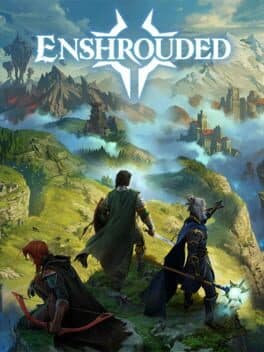
Enshrouded game cover art

Enshrouded

Time
MODERATE
Focus
MODERATE
Challenge
MODERATE
Intensity
MODERATE
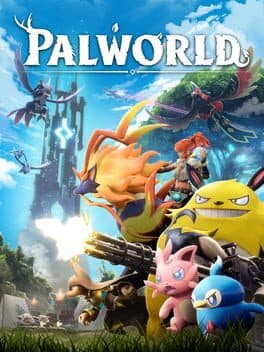
Palworld game cover art

Palworld

Time
MODERATE
Focus
HIGH
Challenge
MODERATE
Intensity
MODERATE
Dune: Awakening game cover art

Dune: Awakening

Time
HIGH
Focus
HIGH
Challenge
MODERATE
Intensity
MODERATE
Forever Skies game cover art

Forever Skies

Time
MODERATE
Focus
MODERATE
Challenge
MODERATE
Intensity
MODERATE
← Back to Home