hello@slated.gg
Powered by IGDB•Privacy•Terms

© 2026 Slated.gg

Slated.gg
Popular GamesAboutDiscover Games
Order of the Sinking Star

Arc Games • 2026 • Nintendo Switch 2, PC (Microsoft Windows)
Quick sessionsRewarding skill growth
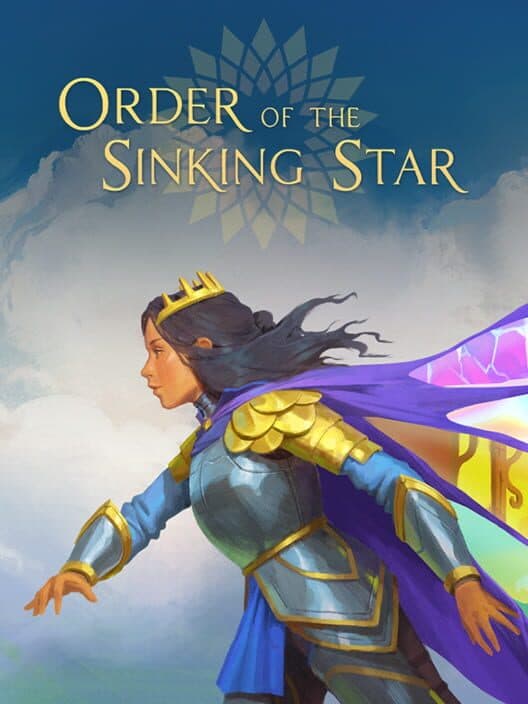
Order of the Sinking Star cover art

Order of the Sinking Star

Arc Games • 2026 • Nintendo Switch 2, PC (Microsoft Windows)

Quick sessionsRewarding skill growth

Is Order of the Sinking Star Worth It?

Yes, if you want a big, thoughtful game that pays you back with real aha moments. Order of the Sinking Star looks most worth it for people who enjoy sitting with hard problems, wandering away from one wall to solve another, and feeling the world open as rules start overlapping. The big draw is the density of its puzzle design. Early demo feedback is especially strong on how many rooms feel hand-built and how fair the challenge stays thanks to generous undo and restart tools. The tradeoff is easy to see too. This is not breezy background entertainment, and it does not look like the writing is the main reason to show up. If story chatter annoys you or you want quick, low-focus fun, wait for a sale or skip. If you also worry about performance, waiting for fuller launch impressions is smart. But if brainy puzzle journeys are your thing, this looks like a strong full-price buy.

What is Order of the Sinking Star like?

Opinions of Order of the Sinking Star

What Players Love

  • Players Love

    Puzzle rooms feel clever, varied, and rarely like filler

    Players consistently praise the steady stream of fresh ideas, hero ability combinations, and hand-built rooms that avoid the copy-paste feeling common in huge puzzle games.

  • Players Love

    Undo and restart tools keep hard rooms fair

    Deep rewind and quick resets let you test wild ideas without losing much progress, so difficulty feels more like problem solving than punishment, even in longer rooms.

Common Concerns

  • Common Concern

    Writing and dialogue distract from the stronger ideas

    A recurring complaint is that character chatter and story beats do not match the quality of the puzzles, making some players wish the game trusted its design more.

  • Common Concern

    Performance feels rough in the current build for some players

    Reports mention crashes, startup issues, and frame drops, especially around the overworld or on less optimized hardware. Many players are hopeful, but caution is reasonable.

Divisive Aspects

  • Divisive

    The huge scale is thrilling or simply overwhelming

    Some players love how much the game throws at you once worlds, story, and hero rules begin overlapping. Others find that same density exhausting in shorter sessions.

What does Order of the Sinking Star demand from you?

Time

MODERATE

Time

Built for flexible sessions but a long overall journey. Rooms make good stopping points, yet the bigger map and rule web stick around between sessions.

MODERATE

This fits real life better than its huge size first suggests. Individual rooms and short runs through the overworld create natural stopping points, and full pause should make sudden interruptions easy to handle. That asks for less schedule control than a raid, a live match, or a long story chapter. The bigger ask is over weeks, not minutes. To feel like you truly got what the game offers, you will probably need many sessions spread across a longer stretch of time, especially if the best payoff comes when multiple world rules start colliding. Re-entry can also be sticky. After a few days away, you may remember the controls instantly but forget why a certain room mattered or which hero was relevant there. The solo-only structure helps, since no one is waiting on you and there is no social homework. For a busy player, the sweet spot is treating it like a long book of hard riddles: easy to open for an hour, harder to finish quickly, and much easier to enjoy if you leave yourself little breadcrumbs before signing off.

Tips
  • Try to stop between rooms or after marking a stubborn puzzle, not halfway through a long line of thought.
  • Leave yourself a short note about the current world, hero, and blocked room before quitting for the night.
  • Aim for the main late-game payoff first; completionist cleanup can balloon the total time commitment fast.

Focus

MODERATE

Focus

Mostly calm hands, very busy brain. You'll spend long stretches tracing positions, testing ideas, and holding several room rules in memory at once.

MODERATE

This is a game for clear-headed evenings. In a typical session, you are not reacting quickly or juggling chaos. You are staring at a room, tracing possibilities, remembering what a hero can do, and asking yourself what has to happen two or three moves earlier for the end state to work. That asks for real concentration and decent working memory, but it delivers some of the cleanest "aha, of course" moments in puzzle games. The nice tradeoff is that it is physically gentle. You can pause at any time, step away, and come back without being attacked. The bigger issue is mental drift. If you play tired, distracted, or while half-watching something else, your progress can stall fast because the game is built around thought, not motion. The overworld also adds light route planning, since leaving a hard room and finding a better one elsewhere is part of playing well.

Tips
  • If a room stops moving after ten minutes, leave it and clear a few easier ones elsewhere before returning.
  • Keep a quick note on which hero ability or world rule a blocked room seems built around.
  • Play when you can give it real brainpower; tired late-night sessions turn fair puzzles into fog.

Challenge

HIGH

Challenge

Easy to control, hard to truly read. It teaches through clever rooms, then slowly mixes rules until simple tools start behaving in surprising ways.

HIGH

The hard part here is not learning which button moves your character. The hard part is learning how the game thinks. Early on, the rooms seem built from readable ideas, so you can get your footing quickly. Over time, though, the game appears to stack hero abilities, spatial rules, and world-specific twists until familiar tools start interacting in less obvious ways. That asks for observation, experimentation, and the willingness to revisit a room later instead of demanding an answer right now. In return, it delivers the pleasure of growing smarter in a very specific language. The generous rewind system matters a lot because it lets you test an idea, see why it fails, and back out without a major penalty. That keeps the game challenging without turning it mean. If you enjoy being taught through level design instead of long tutorials, this should feel rewarding. If you want quick mastery or constant forward motion, it may feel dense and slow to fully grasp.

Tips
  • Treat failed attempts as information gathering; one clean rewind can teach more than ten random retries.
  • Look for how a new room twists an older idea instead of assuming every puzzle wants a totally new trick.
  • Do not chase full completion early; seeing more worlds often teaches tools that make earlier rooms easier later.

Intensity

LOW

Intensity

More head-scratching than heart-pounding. The pressure comes from stubborn rooms and mental fatigue, then pays off with sharp bursts of relief.

LOW

The emotional tone is much calmer than the size of the game makes it sound. This does not look like a fear game, a chase game, or a punishment-heavy grind. Most of the pressure comes from sitting with a problem that refuses to open, then deciding whether to push a little longer or walk away. That asks for patience and a healthy tolerance for unfinished business. In return, it delivers a strong release when a room finally clicks or when a new rule suddenly makes an old obstacle readable. The good kind of stress here is the satisfied brain burn that follows a breakthrough. The bad kind only appears if you keep brute-forcing while already tired or frustrated. Because undo and restarts are generous, failure rarely feels cruel. You are usually paying with time and attention, not with lost progress. For most players, the game will feel absorbing and occasionally draining, but not heart-racing.

Tips
  • When frustration starts replacing curiosity, switch worlds instead of forcing one room into a miserable twenty-minute stalemate.
  • Use the rewind tool aggressively; it is there to support bold testing, not just to fix obvious mistakes.
  • End sessions after a breakthrough when possible, so the game feels energizing instead of mentally sticky.

Frequently Asked Questions

Order of the Sinking Star looks hard, but not in a reflex-heavy way. It seems closer to The Witness or Baba Is You than to an action game. You probably will not struggle with controls, timing, or hand speed. The challenge comes from seeing the hidden logic in a room, recognizing how older ideas return in new forms, and keeping several rules in your head at once. Early sections seem approachable, while later areas likely get much tougher once hero abilities and world rules start mixing. That makes it easier to start than to truly get comfortable. The good news is that mistakes appear to be cheap. Undo and full restarts let you test ideas safely, so failure is more about lost time than punishment. If you like sitting with a puzzle for fifteen minutes and coming back later with a fresh thought, this could feel demanding but fair. If you want constant progress, fast wins, or a hint-forward experience, it may feel harder than its calm presentation suggests.

Best current estimate: around 25 to 40 hours to reach the main late-game payoff, and 70 to 120 or more if you want a deep clear. That estimate is less certain than usual because public information still leans heavily on demo and preview coverage, not long post-launch reporting. Even so, the shape is clear. This is a large, handcrafted journey built from many short rooms rather than a compact weekend game. A typical session can be quite manageable. Solving a few rooms or bouncing between worlds fits well into 45 to 90 minutes, and the room structure gives you frequent clean stopping points. The risk is not session length but overall spread. Because the game is huge and nonlinear, most people will chip away at it over many weeks. If you only want the main big idea, you likely do not need every room. If you love clearing maps and chasing leftovers, the hours could balloon fast.

Mostly thoughtful, occasionally frustrating, and rarely nerve-racking. Order of the Sinking Star seems to create brain strain more than adrenaline. The pressure comes from being stuck, from realizing your obvious solution fails ten moves later, or from ending a session with a room still unresolved. That can be intense in a quiet, internal way, but it is very different from horror, stealth, or fast combat stress. The good version of that feeling is excellent: a tough room finally opens, you use undo to test a new line, and the answer clicks with a strong sense of relief. The bad version shows up when you keep pushing after your concentration is gone. Because the game appears generous with rewinds and restarts, it usually does not punish you beyond lost time and mental energy. This looks best for nights when you want focused, satisfying problem solving. It looks worse as tired end-of-day comfort play or something to half-play while doing other things.

Yes, and it seems built almost entirely around solo play. There are no signs of co-op, matchmaking, or any social obligation that would force you to schedule sessions around other people. That makes it much easier to fit around work, family, or an unpredictable evening. It also looks reasonably friendly to casual play in the sense that you can pause, step away, and stop between rooms without wrecking a run. The caveat is mental, not structural. This is easy to play in short chunks, but not always easy to slide back into after several days away. You may need a few minutes to remember which world you were exploring, what a hero could do, and why a certain room was bothering you. So yes, you can absolutely play it casually if your idea of casual means flexible, solo, and interruption-friendly. If your idea of casual means low effort, breezy, or good for divided attention, the fit gets much weaker. It respects your schedule more than it respects a tired brain.

No. Everything public points to a straightforward one-time purchase with no pay-to-win systems. There is no sign of paid power, booster packs, paid hints, battle passes, energy timers, or premium currencies that let you skip difficulty or gain an advantage. That matters more here than in many games, because a puzzle game lives or dies on trust. If the design is asking you to think hard, it cannot also be nudging you toward spending money to smooth the rough spots. Right now, Order of the Sinking Star appears clean on that front. The only caution is the obvious one: always recheck the store page at launch in case post-release plans change. Based on the available information, though, this looks like the kind of purchase you make once and then simply play at your own pace, with no hidden pressure to spend more money to keep up or make progress.

You Might Also Like

Games with a similar rhythm and feel, even if they look different
Explore more→
Blue Prince game cover art
Rewarding skill growth

Blue Prince

Time
MODERATE
Focus
MODERATE
Challenge
HIGH
Intensity
LOW
Dimhaven: The Lost Source game cover art

Dimhaven: The Lost Source

Time
LOW
Focus
MODERATE
Challenge
MODERATE
Intensity
LOW
Rivage game cover art

Rivage

Time
LOW
Focus
MODERATE
Challenge
MODERATE
Intensity
LOW
Cocoon game cover art

Cocoon

Time
LOW
Focus
MODERATE
Challenge
MODERATE
Intensity
LOW
Outer Wilds game cover art

Outer Wilds

Time
LOW
Focus
HIGH
Challenge
MODERATE
Intensity
MODERATE
Return of the Obra Dinn game cover art
Quick sessions

Return of the Obra Dinn

Time
MODERATE
Focus
HIGH
Challenge
MODERATE
Intensity
LOW
← Back to Home