Nintendo • 2025 • Nintendo Switch 2
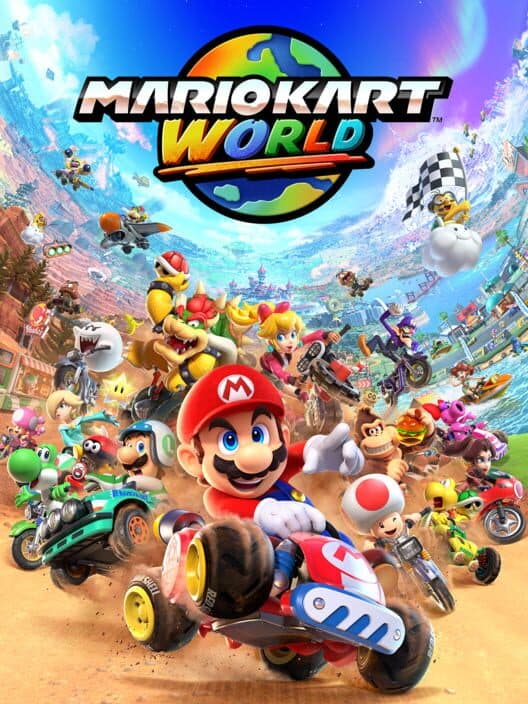
Mario Kart World
Nintendo • 2025 • Nintendo Switch 2
Is Mario Kart World Worth It?
Mario Kart World is worth it if you want a polished, low-friction game you can enjoy solo, with family, or online in short bursts. The big draw is how quickly it becomes fun: steering feels good right away, races are short, and Knockout Tour adds a great one-more-round pull. The connected world and free roam give it a fresh look and a calmer side, even if that part is lighter than some players hoped. Buy at full price if you know you will use it as a regular social game or a go-to weeknight reset. Wait for a sale if you mostly want a deep solo package, because you will see most of what it offers within the first several hours. Skip it if item randomness, crowded races, or repeating tracks for mastery sound annoying rather than exciting. For the right player, this is less about a giant campaign and more about having a joyful, reliable game that stays useful for months.
What is Mario Kart World like?
Opinions of Mario Kart World
What Players Love
- Players Love
Knockout Tour gives the game its freshest thrill
Players often call the elimination mode the big new hook. Stringing courses together keeps pressure rising and makes finishes more dramatic than a normal cup.
- Players Love
The driving still feels instantly readable and fun
Even players mixed on the new structure usually praise the basics. Steering, drifting, boosts, and item use are easy to read, so the moment-to-moment play clicks fast.
- Players Love
24 racers and connected courses create huge spectacle
Crowded starts, seamless course transitions, and constant on-screen chaos make matches lively to play and fun to watch, especially in group or online sessions.
Common Concerns
- Common Concern
Free roam feels pleasant but thinner than expected
Many players enjoy using it as downtime, practice, or sightseeing, but they do not see it as a deep second game. The idea lands better than the reward structure.
Divisive Aspects
- Divisive
The connected world changes the classic track feel
Some players love the world-like flow between areas, while others miss the tighter self-contained feel of older entries. This is more taste split than clear flaw.
- Divisive
The 24-player item chaos can delight or frustrate
Bigger fields create wild reversals and comedy, but they also make item hits feel harder to predict. For some, that boosts excitement; for others, it hurts fairness.
What does Mario Kart World demand from you?
Time
VERY LOWTime
It asks for very little calendar commitment, thanks to short races, clear stopping points, quick re-entry, and a core package you can understand quickly.
Focus
MODERATEFocus
During races you need eyes-on-screen attention and quick hands, but the thinking stays light, intuitive, and easy to re-enter after a break.
Challenge
LOWChallenge
You can feel comfortable fast, then spend weeks getting cleaner and smarter if you want, with growth coming through repetition more than heavy study.
Intensity
MODERATEIntensity
This is lively, swingy, and exciting rather than punishing, with quick spikes of stress that usually turn into laughs instead of lingering frustration.
Frequently Asked Questions
You Might Also Like
Games with a similar rhythm and feel, even if they look different