hello@slated.gg
Powered by IGDB•Privacy•Terms

© 2026 Slated.gg

Slated.gg
Popular GamesAboutDiscover Games
Corsair Cove

Hooded Horse • 2026 • PC (Microsoft Windows)
Strategic thinkingMentally absorbingLighthearted & fun
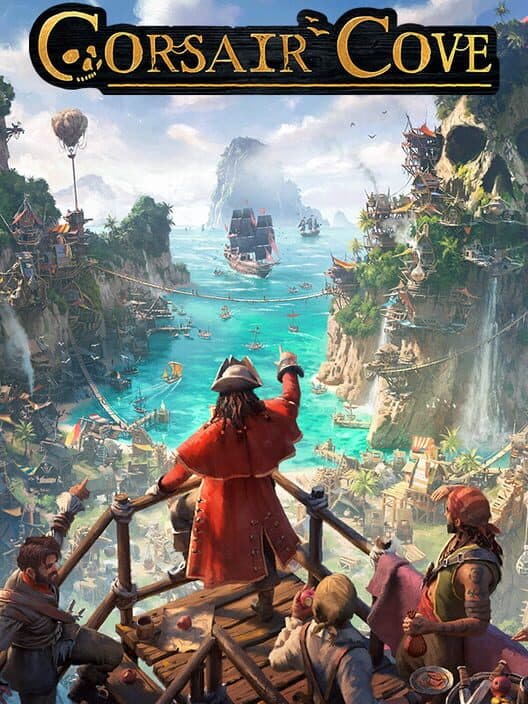
Corsair Cove cover art

Corsair Cove

Hooded Horse • 2026 • PC (Microsoft Windows)

Strategic thinkingMentally absorbingLighthearted & fun

Is Corsair Cove Worth It?

Yes, if fixing messy systems sounds fun, Corsair Cove is worth your time. Its best trick is turning a scrappy pirate refuge into a layered cliffside haven where bridges, ladders, supply chains, and ship expeditions all feed each other. That gives it a stronger identity than many builders, and the playful pirate tone keeps the optimization from feeling dry. What it asks from you is patience. The first hours can be confusing, the interface still has some rough launch-era edges, and the game is more about careful planning than instant thrills. If you want clean tutorials, perfect quality-of-life tools, or something you can half-ignore while doing other things, this may wear you down. Buy at full price if you already like management games and want a fresh theme with satisfying problem-solving. Wait for a sale if you are curious but sensitive to bugs, UI friction, or mixed feelings about the naval event system. Skip it if you dislike production chains or mostly want action on the open sea.

What is Corsair Cove like?

Opinions of Corsair Cove

What Players Love

  • Players Love

    Pirate theme and vertical building feel genuinely fresh

    Players love that the island layouts, bridges, ladders, and ziplines create a real pirate-haven identity instead of feeling like a standard builder with new art.

  • Players Love

    Logistics stay deep without usually feeling harsh or cruel

    Fans praise the supply-chain problems as busy and satisfying rather than punishing. Most mistakes slow growth and invite a clever fix instead of ruining a run.

Common Concerns

  • Common Concern

    Launch roughness and missing quality-of-life tools stand out early

    The most common complaints mention tutorial hiccups, crashes, audio bugs, and route or warehouse tools that feel clumsy, especially in the opening hours.

Divisive Aspects

  • Divisive

    Naval event battles add flavor but split players

    Some enjoy the short sea encounters and the ship specialization they encourage. Others see them as a pace break that feels restrictive with the wrong setup.

  • Divisive

    Replay value after one clear is still debated

    Multiple islands and endings give reasons to return, but some players feel the handcrafted structure loses momentum once the main colony-and-fleet arc is done.

What does Corsair Cove demand from you?

Time

MODERATE

Time

It fits weeknight sessions thanks to pause and manual saves, but one island is still a real project and returning after a break takes a warmup.

MODERATE

Corsair Cove fits real life better than many management games, but it is still a substantial project. A satisfying first run usually means finishing one story island, seeing one ending, and building a haven robust enough to support higher-tier ships. For most people, that lands around 20 to 40 hours, spread across many weeknights. You can play in 60 to 90 minute chunks, and the full pause plus manual saving make it easy to stop when needed. The time catch is not rigid scheduling. It is mental continuity. Because each island becomes a custom web of routes, warehouses, and priorities, coming back after several days takes a warmup while you remember what was feeding what and which upgrade path you were chasing. The game also has a strong 'one more fix' pull, so neat stopping plans can stretch. Still, it stays friendly to solo schedules because there are no co-op obligations, no live-service pressure, and no need to keep up with other players. It asks for consistency more than huge blocks of time.

Tips
  • End after one expedition
  • Leave one clear next step
  • Expect a return warmup

Focus

MODERATE

Focus

Your brain stays busy with routes, shortages, and island layout, but your hands stay relaxed; this is about reading systems, not quick reactions.

MODERATE

This game wants your eyes and brain more than your reflexes. In a normal session, you are scanning supply chains, spotting which camp ran out of stew or booze, and deciding whether a new rope bridge, warehouse route, or unlock solves the real problem. You can pause whenever life interrupts, but while you are actively playing, you get the best results by watching closely. Bottlenecks are often visual, and small placement choices have big ripple effects. The thinking is mostly analytical. You are comparing tradeoffs, planning routes across cliffs, matching ships to missions, and reading how one change affects several linked systems. That makes it feel closer to untangling a living traffic jam than reacting to danger. In return for that steady attention, the game gives you frequent little wins. A single ladder, zipline, or rerouted pickup can suddenly make the whole haven breathe again. If you enjoy diagnosing messy systems, the concentration it asks for turns directly into satisfaction.

Tips
  • Pause before major reroutes
  • Fix one bottleneck first
  • Check warehouses when loading

Challenge

HIGH

Challenge

The early hours can feel messy, then the rules start clicking. Patience with routing, warehouses, and ship prep pays off in big aha moments.

HIGH

The biggest hurdle is the early learning phase. Corsair Cove does not ask for fast hands, but it does ask for patience while you learn how routes, warehouses, crew needs, ship types, and unlock paths actually fit together. The first few hours can feel rougher than the rest of the game because some explanations and interface cues are not as clear as they could be. You will probably make messy layouts and inefficient chains before the logic really clicks. The good news is that the game is usually kind about those mistakes. You can tear things down, rebuild, pause to think, and treat a bad setup as a lesson instead of a ruined file. Competence comes from recognizing common bottlenecks and learning which small fixes create the biggest ripple effects. Once that understanding arrives, the challenge shifts from confusion to refinement. What the game asks for is patience and a willingness to experiment. What it gives back is strong improvement you can actually feel from session to session, with satisfying aha moments when a once-chaotic cove starts running smoothly.

Tips
  • Learn warehouse rules early
  • Test small layout changes
  • Match ships to recommendations

Intensity

LOW

Intensity

Pressure comes from supply slips and risky sea trips, not panic. Mistakes sting enough to matter, but the game usually gives you room to recover.

LOW

Corsair Cove is more absorbing than nerve-racking. The pressure comes from supply shortages, overexpansion, and risky sea trips that can damage or destroy a ship if you misread the situation. Those stakes matter, so decisions do not feel weightless, but the game usually gives you time to think and room to recover. You are solving problems under pressure, not fighting for survival second by second. That balance creates a very specific kind of stress. It is the good kind for people who enjoy seeing a wobbling system and trying to steady it before the whole island slips further behind. It is less about fear or adrenaline and more about tension from consequences. The playful pirate tone also helps. Even when the Crown pushes back, the mood stays colorful and lively rather than grim. What the game asks for is emotional steadiness and a willingness to absorb a setback. What it delivers is the relief and pride of turning near-chaos back into a working pirate haven.

Tips
  • Save before sea events
  • Expand after stabilizing basics
  • Treat losses as information

Frequently Asked Questions

Corsair Cove is medium-hard to learn and medium to play. The challenge comes from understanding how warehouses, routes, crew needs, and ship prep all feed each other. It is not hard in the fast-reaction sense. You can pause, think, and fix problems at your own speed, so it feels much calmer than an action game and less punishing than the toughest factory builders. The trickiest part is the opening stretch. Tutorials and interface explanations seem a little rough, so the first few hours can feel more confusing than dangerous. Once the logic clicks, most setbacks turn into repair jobs instead of total collapse. Think closer to Anno or Timberborn than to a punishing survival game, with a lighter version of the chain-fixing itch you get in Factorio. If you enjoy improving messy systems, you will probably find it satisfying. If you want instant readability or simple city building, it may feel harder than the score suggests.

Expect about 20 to 40 hours for a satisfying first clear of one story island. If you like trying different paths, endings, or cleaner layouts across the handcrafted islands, that can stretch closer to 50 to 80 hours. It works well in 60 to 90 minute sessions. A typical night is long enough to fix a couple of supply problems, send a ship out, resolve a sea event, and unlock something meaningful. The good news is that pause and manual saves make it easy to stop without wasting progress. The catch is the classic builder problem: there is almost always one more route to tweak before bed. It is not an endless forever game for most people, but it is definitely a multi-week project rather than a weekend snack. If you take a week off, expect a short warmup while you remember how your island is wired together.

Corsair Cove is usually mildly stressful in a good way, not an exhausting way. Most of the pressure comes from watching a supply chain wobble, risking a ship on a sea mission, or realizing a small layout mistake is starving half your island. That creates steady engagement, but rarely the kind of heart-racing panic you get from horror or action games. The key difference is mental strain versus emotional strain. This game can make you think hard, especially when warehouses are misbehaving or new crew needs stack up, but it does not often make you feel hunted or overwhelmed. Because you can pause, rethink, and usually recover from mistakes, the tension stays manageable. The roughest moments are more likely to come from early tutorial friction or interface roughness than from the core design. It is a good choice when you want to be absorbed and challenged after dinner. It is a poor choice when you are already drained and want something nearly effortless.

Absolutely. Corsair Cove is not just playable solo, it is built around solo play. There is no co-op base management, no shared progression, and no competitive ladder pushing you to keep up. Every decision, from how you lay out your cove to which ship you risk on an expedition, happens at your own pace. That makes it easy to treat the game like a personal project. You can pause to think, save before logging off, and experiment without worrying about another person waiting on you. The only real limit is that solo play does not remove the game's own complexity. You still need to understand production chains, pathing, and ship prep, and there is no teammate to explain a system in real time. Structurally, though, this is one of the cleanest solo-friendly setups you can ask for. If you like builders that let you tinker quietly and solve problems at your own speed, this is a strong fit.

No. Corsair Cove is a straight premium purchase, not a game built around selling power. You buy it once, and the challenge comes from learning its systems, not from paying to skip them. There is no sign here of booster packs, paid stat upgrades, energy timers, or premium currency nudging you toward faster progress. That matters because the core satisfaction is solving supply problems and building a better pirate haven. Selling power would undercut the whole point, and the current store listings do not suggest that kind of design at all. The only money question is value, not fairness. If you are deciding whether to buy now or wait, the debate is about launch polish and how much you enjoy management games, not about hidden monetization or balance issues. In simple terms, if you lose a ship or hit a rough patch, the answer is to rethink your layout or strategy, not to open your wallet.

You Might Also Like

Games with a similar rhythm and feel, even if they look different
Explore more→
Satisfactory game cover art
Strategic thinkingMentally absorbing

Satisfactory

Time
HIGH
Focus
MODERATE
Challenge
HIGH
Intensity
LOW
Two Point Hospital game cover art
Lighthearted & fun

Two Point Hospital

Time
MODERATE
Focus
MODERATE
Challenge
MODERATE
Intensity
LOW
Timberborn game cover art
Lighthearted & fun

Timberborn

Time
MODERATE
Focus
MODERATE
Challenge
MODERATE
Intensity
LOW
Planet Zoo 2 game cover art
Strategic thinking

Planet Zoo 2

Time
MODERATE
Focus
MODERATE
Challenge
HIGH
Intensity
VERY LOW
Anno 117: Pax Romana game cover art
Strategic thinkingMentally absorbing

Anno 117: Pax Romana

Time
MODERATE
Focus
MODERATE
Challenge
MODERATE
Intensity
LOW
Alchemy Factory game cover art

Alchemy Factory

Time
MODERATE
Focus
MODERATE
Challenge
MODERATE
Intensity
VERY LOW
← Back to Home