Milktooth • 2027 • Xbox Series X|S, PC (Microsoft Windows), Mac
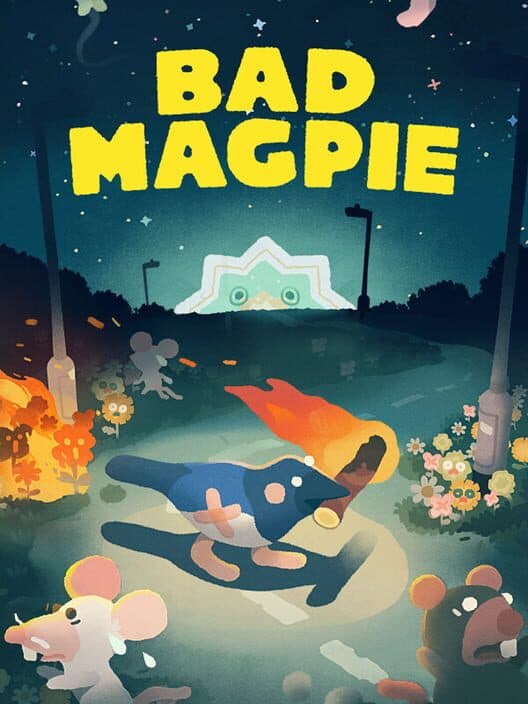
Bad Magpie
Milktooth • 2027 • Xbox Series X|S, PC (Microsoft Windows), Mac
Is Bad Magpie Worth It?
Based on current previews, Bad Magpie looks worth it if you want a short, charming game that mixes low-stress puzzle solving with funny bird chaos. Its biggest draw does not seem to be size. It is density. You appear to spend your time poking at a small world, stealing shiny junk, and discovering smart little interactions with fire, sound, weight, and props. The likely reward is a cozy evening game with real personality and a softer emotional core than the trailer first suggests. Buy at full price if you love compact adventures, environmental puzzles, and the idea of animal mischief with more structure and a touch of sadness. Wait for reviews or a sale if you need proof the full game stays fresh beyond the demo, or if you prefer clear dialogue and stronger objective tracking. Skip it if you want combat, big spectacle, or a long campaign you can live in for weeks. This looks best as a memorable palate cleanser, not a giant commitment.
What is Bad Magpie like?
Opinions of Bad Magpie
What Players Love
- Players Love
The chaotic bird fantasy is funny right away
Early reactions love the basic idea of stealing shiny junk, breaking things, and causing slapstick trouble. The premise seems to click fast even before the deeper systems open up.
- Players Love
Environmental puzzles feel clever without turning punishing for most players
Preview players praise puzzles built around fire, sound, weight, and found objects. They seem smart enough to satisfy without becoming overly fiddly or frustrating.
- Players Love
The mischief hides a surprisingly tender emotional thread
Writers keep pointing to the wounded magpie's loneliness as a real strength. It gives the chaos a softer center instead of making the whole game feel like a one-note joke.
Common Concerns
- Common Concern
Nobody knows yet if the full game stays fresh
Because nobody has reviewed the finished version yet, there is still no firm read on late-game variety, pacing, or whether the small world holds up to the ending.
Divisive Aspects
- Divisive
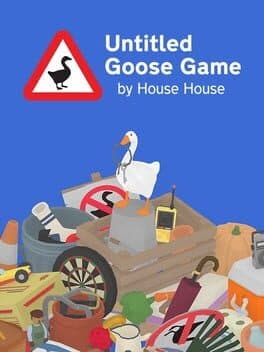
The Untitled Goose Game comparison helps and hurts expectations
The comparison makes the idea instantly easy to understand, but it may also mislead players who expect a bigger sandbox or a direct follow-up in everything but name.
What does Bad Magpie demand from you?
Time
LOWTime
It appears built for weeknight sessions: short overall length, solo play, full pause, and clear enough mini-goals to stop after a few solved problems.
Focus
LOWFocus
You'll spend most of your attention scanning small spaces for odd interactions, then testing simple ideas until the game's bird-brained logic suddenly clicks.
Challenge
LOWChallenge
The controls seem easy within minutes, but the real learning is understanding what this strange little world will let you burn, break, carry, or exploit.
Intensity
VERY LOWIntensity
This looks more soothing than stressful, with playful mess-making and a soft sad streak instead of punishing failure, timers, or heart-racing danger.
Frequently Asked Questions
You Might Also Like
Games with a similar rhythm and feel, even if they look different