Bonfire Studios • 2026 • Xbox Series X|S, PC (Microsoft Windows), PlayStation 5
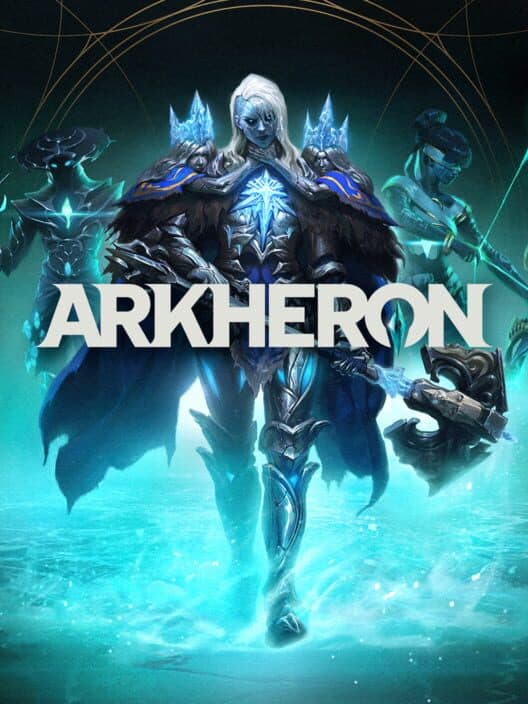
Arkheron
Bonfire Studios • 2026 • Xbox Series X|S, PC (Microsoft Windows), PlayStation 5
Is Arkheron Worth It?
Arkheron is worth it if you want tense trio PvP and love building on the fly, but only if you are okay with a game that still feels a bit prelaunch. Its hook is strong: short, skillful fights where item drops change who you are mid-match, so every run asks you to adapt instead of repeating one solved build. When it clicks, you get memorable teamfights, clear outplay moments, and that "one more run" pull. What it asks from you is real, though. You need focus, a decent chunk of learning time, and tolerance for losing to human teams while the camera, item economy, and movement start to make sense. Current performance concerns also matter more here than in a slower game. Buy at full price if you already love competitive team games, have friends to queue with, and enjoy learning through repetition. Wait for a sale if the concept sounds great but you are unsure about polish. Skip it if you want low stress, offline play, or the ability to pause whenever life interrupts.
What is Arkheron like?
Opinions of Arkheron
What Players Love
- Players Love
Teamfights feel skillful, readable, and highly expressive once learned
Players keep pointing to the fight feel as the reason to care. Audio cues, movement, and item abilities create satisfying outplay moments once the basics click.
Common Concerns
- Common Concern
Performance and stability problems still undermine a precision PvP game
Frame drops, crashes, hitching, and heavy hardware load are the biggest complaint. In a game built on timing and clean inputs, technical issues hit especially hard.
- Common Concern
The first few hours remain confusing for many new players
New players often struggle with item economy, health readability, movement resources, and build identity. The teaching tools help, but the opening still feels rough.
Divisive Aspects
- Divisive
Spires is great practice but splits long-term opinion
Some players love its quick 3v3 reps and easy repeatability, while others see it as a warm-up mode and prefer the fuller arc of Ascension.
- Divisive
Build-forcing shop rules split players on adaptation and frustration
Supporters like that rising prices push creative pivots. Critics feel the system blocks practice with preferred playstyles and makes losses harder to read.
- Divisive
The free-aim camera feels fresh, but not universally comfortable
For some players, the camera adds immersion and texture to fights. Others find aiming and information flow less clear than a more traditional top-down view.
What does Arkheron demand from you?
Time
MODERATETime
Matches have clean stopping points, but real life and live PvP do not mix well once a queue pops and the round begins.
Focus
VERY HIGHFocus
You need both quick hands and a busy brain. Fights are short, loud, and packed with choices, so split attention usually gets you punished.
Challenge
HIGHChallenge
The first hours are the roughest. Once the camera, items, and movement make sense, the game opens up fast and feels much more readable.
Intensity
HIGHIntensity
This is pressure in short bursts: not horror-level scary, but close fights, team reliance, and elimination stakes keep your pulse up.
Frequently Asked Questions
You Might Also Like
Games with a similar rhythm and feel, even if they look different