Mojang Studios • 2026 • Xbox Series X|S, Nintendo Switch 2, PC (Microsoft Windows), PlayStation 5, Nintendo Switch
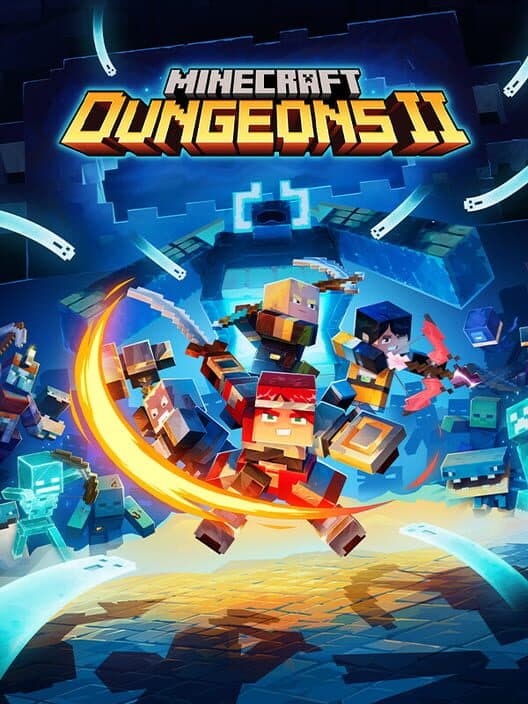
Minecraft Dungeons II
Mojang Studios • 2026 • Xbox Series X|S, Nintendo Switch 2, PC (Microsoft Windows), PlayStation 5, Nintendo Switch
Is Minecraft Dungeons II Worth It?
Yes, Minecraft Dungeons II is worth it if you want a short, colorful loot game that works well solo and even better with a partner, spouse, child, or friend. Its best trick is how quickly it gets to the fun: clear guidance, frequent upgrades, readable goals, and just enough build tinkering to make new gear matter without demanding homework. The sequel also gives combat more personality through talismans, armor slots, jumping, and better enchant choices. The catch is that it asks for more uninterrupted attention than its friendly look suggests. There is no true solo pause, menus can leave you exposed, and launch-window bugs make the rough edges hard to ignore. The campaign is also short, and repetition sets in sooner than it will for players who want a forever loot grind. Buy at full price if you mainly want a polished weekend-to-two-week co-op adventure. Wait for a sale if you are playing solo, care a lot about polish, or want deeper endgame staying power. Skip it if no-pause design or early technical issues are deal-breakers.
What is Minecraft Dungeons II like?
Opinions of Minecraft Dungeons II
What Players Love
- Players Love
Flexible co-op makes family and friend sessions shine
Couch play, online cross-play, and mixed local-plus-online groups make it easy to team up. Even many frustrated players say shared sessions are where the game clicks.
- Players Love
Deeper build options improve on the first game
Separate armor slots, talismans, jumping, and richer enchantment choices give combat more personality. Players like that the extra depth stays readable.
Common Concerns
- Common Concern
Launch bugs and crashes make progress feel unreliable
Softlocks, crashes, stuck characters, and broken interactables show up often in early feedback. These issues can interrupt runs or force reloads in the launch build.
- Common Concern
PC controls, item readability, and no pause frustrate
Many PC players dislike click-to-move, missing WASD support, and hard-to-read item details. The lack of a true solo pause makes quick interruptions worse.
- Common Concern
Short campaign and repeated content limit long-term pull
A lot of players enjoy the first run, then hit repetition sooner than expected. Side quests, bosses, and the post-story grind can feel samey before the loot chase hooks.
Divisive Aspects
- Divisive
The bigger connected world is a real split
Some players enjoy the stronger sense of journey and wider spaces. Others miss the first game's quicker mission flow and clearer dungeon-to-dungeon pace.
What does Minecraft Dungeons II demand from you?
Time
LOWTime
The campaign is short and clear, but each session works best when you have a protected hour because stopping mid-action is clumsier than expected.
Focus
MODERATEFocus
Most sessions need active eyes and quick reactions, not heavy planning. You can breathe in town, but dungeons punish looking away for long.
Challenge
MODERATEChallenge
You can learn the basics in a few evenings, then decide how much extra fun you want from gear combos and build tinkering.
Intensity
LOWIntensity
This feels lively more than punishing. Busy fights create short spikes of pressure, while fast recovery and a bright tone keep failure from feeling crushing.
Frequently Asked Questions
You Might Also Like
Games with a similar rhythm and feel, even if they look different