Nintendo • 2026 • Nintendo Switch 2
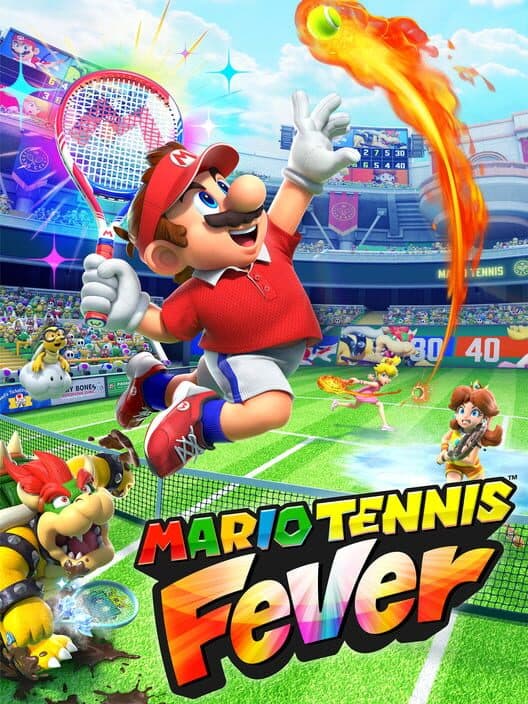
Yes, if you want fast, joyful matches and plan to play with other people at least sometimes. Mario Tennis Fever nails the basic feel of hitting the ball, then spices it up with Fever Rackets that add chaos without burying the sport underneath. It respects your time too. You can jump into a real match quickly, finish a cup in a reasonable sitting, and stop cleanly between events. The catch is simple: the solo campaign is short and feels more like onboarding than a big standalone adventure. If you mainly want a long single-player climb, full price is hard to justify. If you want couch rivalry, family play, or a repeatable weeknight game, the value is much stronger. Buy at full price if local multiplayer is part of the plan, or if you enjoy replaying short competitive matches. Wait for a sale if you are solo-first but still like score chasing and light unlocks. Skip it if you want a deep campaign or rock-solid online competition to carry the whole package.

Nintendo • 2026 • Nintendo Switch 2
Yes, if you want fast, joyful matches and plan to play with other people at least sometimes. Mario Tennis Fever nails the basic feel of hitting the ball, then spices it up with Fever Rackets that add chaos without burying the sport underneath. It respects your time too. You can jump into a real match quickly, finish a cup in a reasonable sitting, and stop cleanly between events. The catch is simple: the solo campaign is short and feels more like onboarding than a big standalone adventure. If you mainly want a long single-player climb, full price is hard to justify. If you want couch rivalry, family play, or a repeatable weeknight game, the value is much stronger. Buy at full price if local multiplayer is part of the plan, or if you enjoy replaying short competitive matches. Wait for a sale if you are solo-first but still like score chasing and light unlocks. Skip it if you want a deep campaign or rock-solid online competition to carry the whole package.
Players repeatedly praise how readable and satisfying rallies feel right away. The controls make early matches fun fast, even before deeper shot mix-ups start to matter.
This is the most common complaint. Many players say the campaign rolls credits in just a few hours and works better as a guided lesson than a full solo journey.
People who want a social weeknight game tend to be happy. People buying mainly for a bigger solo path often feel the package runs out too quickly.
Reviews often call this the game's best twist: rackets create fresh matchups and silly court moments, but strong positioning and shot choice still decide most points.
Players trying to stay competitive mention input delay, strong meta picks, and missing features around online play. These issues matter most once casual matches turn serious.
Players repeatedly praise how readable and satisfying rallies feel right away. The controls make early matches fun fast, even before deeper shot mix-ups start to matter.
Reviews often call this the game's best twist: rackets create fresh matchups and silly court moments, but strong positioning and shot choice still decide most points.
This is the most common complaint. Many players say the campaign rolls credits in just a few hours and works better as a guided lesson than a full solo journey.
Players trying to stay competitive mention input delay, strong meta picks, and missing features around online play. These issues matter most once casual matches turn serious.
People who want a social weeknight game tend to be happy. People buying mainly for a bigger solo path often feel the package runs out too quickly.
It respects busy schedules with short matches and obvious stopping points, though the best value appears when you want repeat sessions or other people to play with.
This is one of the easier big releases to fit into real life. A single match, small cup, or short challenge can give you a satisfying session in under half an hour, and 60 to 90 minutes is enough to meaningfully sample several modes. The solo campaign is brief, so you are not signing up for a massive narrative haul just to see what the game offers. Most players will feel they have gotten the full base experience after finishing Adventure, trying the main side modes, and settling on a favorite character-racket pairing. That usually lands in the 8 to 15 hour range, with credits arriving much sooner. It is easy to stop between matches, but less flexible in the middle of a live rally or online set, so unplanned interruptions are better handled offline. Coming back after a week is painless because there is little story state to rebuild. The big question is not time, but context. If you have friends, family, or a taste for repeat competition, the game keeps paying off. If you only want a long solo arc, it runs out faster.
Points need your full eyes and quick hands, but the brain load stays tidy: short reads, fast shot choices, and steady court awareness.
Mario Tennis Fever asks for active attention in bursts, not deep study marathons. Once a point starts, you need to watch the ball, read your opponent, judge your position, and choose between topspin, slice, lob, charged returns, or a special shot with very little time to drift. You cannot really half-watch a show during live rallies. Look away for a few seconds and the point is probably gone. The good news is that the game keeps its problem set small and readable. You are tracking a court, a ball, an opponent, and a few gimmicks, not a giant pile of menus, stats, or layered systems. That makes it mentally lighter than many action games even when it gets fast. In return for that steady focus, it delivers a strong flow state. When your timing clicks and you start reading angles early, matches feel sharp, clean, and satisfying instead of exhausting.
You can learn the basics quickly, then spend extra hours sharpening reads, timing, and racket choices if the competitive side grabs you.
Mario Tennis Fever is welcoming at the front door. Adventure mode teaches the big shot types, basic movement, and situational tricks through short challenges, so most players will feel functional within an hour or two. Reaching basic comfort does not take a huge grind. The longer learning curve comes from clean execution under pressure. Knowing what a lob does is easy. Knowing when to fake out an opponent, conserve your Fever meter, or lean into a racket's special effect takes repeated matches. That makes the game deeper than it first looks without turning it into homework. It is also kind to mistakes. Failed points and lost matches cost little time, so experimentation feels safe. You can try a new character or racket pairing, get useful feedback fast, and adjust. In return for learning a compact set of tools well, the game gives you visible improvement. Sessions feel rewarding because better timing and smarter placement show up almost immediately on the court.
This feels lively and competitive rather than crushing. Close points get sweaty, but the cheerful tone and short matches stop most losses from lingering.
The emotional pull here comes from point-by-point pressure, not dread or punishment. Tight rallies, last-second saves, and Fever shots can absolutely raise your pulse, especially if you are tied late or playing another person. Still, the overall mood stays bright, silly, and forgiving. Mario characters, colorful courts, and cartoon effects constantly remind you that this is playful competition, not a grim test of endurance. That matters. Even when a CPU opponent gets tricky or an online player starts punishing your habits, a loss usually means a brief setback and a fast rematch, not a major resource dump or a ruined evening. For most people, that makes the game energizing rather than draining. The stress level rises in online play, where timing feels tighter and connection issues can add frustration. Offline, it is much easier to keep the experience in the fun zone. The trade is simple: it asks you to care in the moment, then gives you permission to laugh it off and queue another match.
Games with a similar rhythm and feel, even if they look different