hello@slated.gg
Powered by IGDB•Privacy•Terms

© 2026 Slated.gg

Slated.gg
Popular GamesAboutDiscover Games

Dead Space

Electronic Arts • 2011 • Android, iOS
Satisfying to completePerfect for a weekendEasy to jump into

Is Dead Space Worth It?

Dead Space is worth your time if you want a short, intense sci-fi horror ride and you can still access it. Its biggest strength is focus: dark corridors, strong sound design, satisfying limb-targeting combat, and just enough upgrades to create forward momentum without bloating the experience. For someone with limited play time, that compact shape is a real plus. You can get the full point of the game in a few evenings instead of signing up for a 20-hour campaign. The trade-off is just as clear. This is not a relaxed game, and it is not a great fit if you dislike gore, jumpy ambushes, or touch controls that can feel imprecise under pressure. Replay value is also thin once the story is over. If you want a one-and-done horror campaign, it is easy to recommend at full price in spirit, though modern availability is the real obstacle. If you mostly want replayability or perfectly polished controls, wait or skip. If you hate horror stress, skip it.

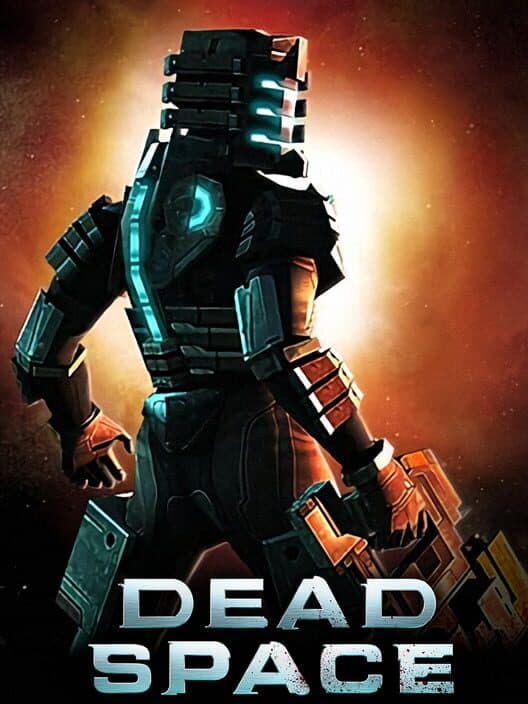
Dead Space cover art

Dead Space

Electronic Arts • 2011 • Android, iOS

Satisfying to completePerfect for a weekendEasy to jump into

Is Dead Space Worth It?

Dead Space is worth your time if you want a short, intense sci-fi horror ride and you can still access it. Its biggest strength is focus: dark corridors, strong sound design, satisfying limb-targeting combat, and just enough upgrades to create forward momentum without bloating the experience. For someone with limited play time, that compact shape is a real plus. You can get the full point of the game in a few evenings instead of signing up for a 20-hour campaign. The trade-off is just as clear. This is not a relaxed game, and it is not a great fit if you dislike gore, jumpy ambushes, or touch controls that can feel imprecise under pressure. Replay value is also thin once the story is over. If you want a one-and-done horror campaign, it is easy to recommend at full price in spirit, though modern availability is the real obstacle. If you mostly want replayability or perfectly polished controls, wait or skip. If you hate horror stress, skip it.

What is Dead Space like?

Opinions of Dead Space

What Players Love

Common Concerns

Divisive Aspects

Players Love

Impressive presentation for an older mobile horror game

Players still single out the lighting, sound, and overall polish as unusually high-end for a phone release, making it feel far more premium than many mobile games of its era.

Common Concern

Short campaign leaves limited reason to come back

Many players enjoy the ride but say it ends quickly, with only higher difficulty runs, missed logs, or small upgrade changes adding much reason to return.

Divisive

Streamlining suits mobile play but trims series depth

Some players like the tighter portable pacing and cleaner structure, while others feel the simplified design loses part of the series' combat and survival flavor.

Players Love

The horror atmosphere works surprisingly well on phone

Reviews and player memories regularly praise the oppressive mood, sharp audio cues, and effective necromorph encounters that keep the sci-fi dread feeling authentic.

Common Concern

Touch controls can slip during hectic combat moments

Even positive reviews warn that aiming and camera movement can feel imprecise when ambushes get frantic, creating friction that would be smaller with physical controls.

Players Love

Impressive presentation for an older mobile horror game

Players still single out the lighting, sound, and overall polish as unusually high-end for a phone release, making it feel far more premium than many mobile games of its era.

Players Love

The horror atmosphere works surprisingly well on phone

Reviews and player memories regularly praise the oppressive mood, sharp audio cues, and effective necromorph encounters that keep the sci-fi dread feeling authentic.

Common Concern

Short campaign leaves limited reason to come back

Many players enjoy the ride but say it ends quickly, with only higher difficulty runs, missed logs, or small upgrade changes adding much reason to return.

Common Concern

Touch controls can slip during hectic combat moments

Even positive reviews warn that aiming and camera movement can feel imprecise when ambushes get frantic, creating friction that would be smaller with physical controls.

Divisive

Streamlining suits mobile play but trims series depth

Some players like the tighter portable pacing and cleaner structure, while others feel the simplified design loses part of the series' combat and survival flavor.

What does Dead Space demand from you?

Time

LOW

Time

A short, directed campaign fits into a few evenings, with clear checkpoints and full pause helping more than the limited save system hurts.

LOW

Dead Space is friendly to a crowded week in one important way: it gets to the point fast and ends before it overstays its welcome. Most players can finish the main campaign in about 3 to 5 hours, which makes it easy to spread across a few evenings. The structure helps. Objectives are clear, levels are linear, and checkpoints show up often enough that 30- to 60-minute sessions feel productive. Full pause makes sudden interruptions manageable, though the lack of save-anywhere means you may still want to push to the next checkpoint before quitting. Coming back after several days is not too hard because the path forward is obvious, but you may need a short warm-up to remember touch aiming and where your supplies stand. The bigger time truth is replay value. Once the story is done, most of the game's unique appeal has already been delivered. It asks for a few focused nights and a little respect for checkpoint timing. In return, it gives a complete horror arc without turning into a month-long commitment.

Tips

  • Plan sessions around reaching the next checkpoint; most chapters let you make meaningful progress in about 30 to 60 minutes.
  • If you return after a break, spend a minute reacquainting yourself with aim, stasis, and healing before pushing into the next big fight.
  • Treat it as a one-and-done horror trip, not a forever game; the best value comes from finishing the campaign once.

Focus

MODERATE

Focus

You'll spend most sessions fully locked in, scanning dark rooms, listening for attacks, and making quick survival calls instead of doing deep long-range planning.

MODERATE

Dead Space asks for steady, full-screen attention even though its systems are not especially complicated. Most of the thinking is immediate and practical: listen for a scrape in the vent, keep enemies in front of you, aim for limbs, decide whether to spend stasis now or risk saving it, then grab ammo before moving on. Because the campaign is linear, you are not juggling huge maps, quest logs, or sprawling builds. That keeps the mental side manageable. What raises the demand is the way the horror presentation pulls all of your attention toward it. Dark hallways, sudden shrieks, and fast ambushes make this a poor choice for half-watching TV or checking your phone between rooms. It asks you to stay locked in for stretches of 30 to 60 minutes, and in return it delivers tight survival-horror rhythm. The clear objectives keep it readable, while the constant audiovisual pressure makes every hallway feel like it matters.

Tips

  • Play with headphones if possible; audio cues often warn you before enemies appear and make frantic fights feel much more readable.
  • Stop after a checkpoint instead of mid-push, so you do not return cold to a half-cleared room with low ammo and no context.
  • Stick with one trusted weapon early; fewer loadout variables make store decisions faster and keep combat easier to read.

Challenge

LOW

Challenge

It teaches its rules quickly, but touch controls and enemy ambushes mean comfort comes after a few sessions, not the first ten minutes.

LOW

Getting started is fairly approachable. Within the first hour, you can understand the basic rule set: move carefully, cut off limbs, use stasis to slow threats, heal before panic becomes death, and spend credits on obvious survival upgrades. That makes this much easier to learn than deeper action games or systems-heavy adventures. The extra wrinkle is that this version was built around touch controls, and that can make aiming and camera control feel awkward when a fight gets hectic. So the challenge is less about memorizing lots of systems and more about becoming comfortable enough that the controls stop getting in your way. The good news is that the game teaches through repetition, and failures usually send you back only a short distance. It asks for a couple of sessions of adjustment and a willingness to learn enemy tells. In return, you get quick, satisfying improvement. By the midpoint, most players feel calmer, sharper, and much better at turning scary encounters into manageable ones.

Tips

  • Aim for limbs, not center mass; the game gets noticeably easier once that rule becomes automatic in every encounter.
  • Buy reliable survival upgrades first instead of spreading credits too thin across several tools that you barely use.
  • Treat deaths as encounter knowledge, not a disaster; most repeats are short and teach where enemies enter and how quickly they close.

Intensity

HIGH

Intensity

Expect steady dread with sharp panic spikes; the game is more emotionally draining than mechanically brutal, especially if horror sound design gets under your skin.

HIGH

This is a stressful game, but not because it is brutally hard. The pressure comes from dread, gore, and the feeling that the next door could go badly. Most sessions swing between quiet scavenging, sudden necromorph rushes, and short exhale moments at a store or checkpoint. That rhythm matters. You are rarely in nonstop chaos, yet even the calm parts feel loaded because the sound design keeps telling your nerves that something awful is close. On normal difficulty, deaths are not devastating, so the experience usually lands as good survival-horror stress rather than pure frustration. The harsher part is emotional. Body horror, jumpy ambushes, and dark industrial spaces can leave you tense even when you are playing well. It asks for a real tolerance for fear and grim imagery, especially at night or with headphones. In return, it gives you one of horror's best payoffs: real relief when a bad fight ends and the hallway finally stays quiet.

Tips

  • Do not hoard stasis forever; spending it early to calm a messy ambush is usually better than dying with resources unused.
  • If horror imagery sticks with you, avoid playing right before bed; the sound design does a lot of the emotional heavy lifting.
  • Use speakers and daylight if you want a softer experience; headphones and a dark room make the tension hit much harder.

Frequently Asked Questions

You Might Also Like

Games with a similar rhythm and feel, even if they look different
Explore more→
Resident Evil 4 game cover art
Satisfying to completePerfect for a weekend

Resident Evil 4

Time
LOW
Focus
HIGH
Challenge
MODERATE
Intensity
HIGH
Resident Evil 2 game cover art
Satisfying to completePerfect for a weekend

Resident Evil 2

Time
MODERATE
Focus
HIGH
Challenge
MODERATE
Intensity
HIGH
Grand Theft Auto III game cover art
Satisfying to completePerfect for a weekend

Grand Theft Auto III

Time
LOW
Focus
MODERATE
Challenge
LOW
Intensity
MODERATE
← Back to Home