Nintendo • 2026 • Nintendo Switch
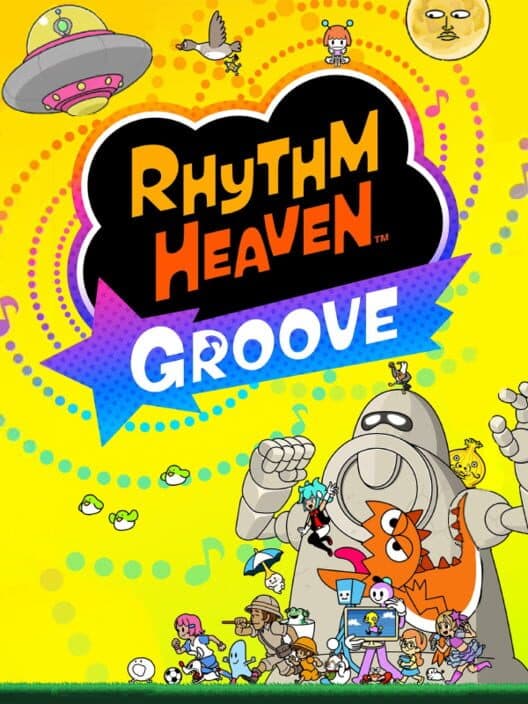
Rhythm Heaven Groove
Nintendo • 2026 • Nintendo Switch
Is Rhythm Heaven Groove Worth It?
Yes, Rhythm Heaven Groove is worth it if you want a funny, catchy game that fits neatly into short weeknight sessions. Its big strength is how much joy it packs into two- or three-minute stages. You learn a silly little routine, lock into the beat, laugh at the animation, then hit one more try because the retry is instant and the songs are hard to forget. Beatspell also adds welcome variety without turning the whole package into a huge commitment. What it asks from you is precise timing and full attention during active play. You cannot half-watch TV or play through constant interruptions, and some later songs lean a bit too much on remembering specific inputs. Docked timing complaints are also worth taking seriously if you are sensitive to latency. Buy at full price if you love musical timing, score-chasing, or Nintendo-style oddball charm. Wait for a sale if you mostly want a short solo run and rarely replay games. Skip it if timing-based play frustrates you or you need something you can truly play while distracted.
What is Rhythm Heaven Groove like?
Opinions of Rhythm Heaven Groove
What Players Love
- Players Love
Catchy songs and absurd humor win over newcomers fast
Across reviews and user reactions, the music and visual jokes are the biggest draw. Even first-time players say the songs stick and the weird charm lands quickly.
- Players Love
Short stages make it easy to keep playing
Most songs end in just a few minutes, so a quick session often turns into several. Players love how easy it is to fit in progress without committing a whole night.
- Players Love
Beatspell is a standout bonus mode despite being brief
Players regularly call out Beatspell as more than a throwaway extra. Its light spell planning adds welcome variety, even if many wish there were more chapters.
Common Concerns
- Common Concern
Docked play can feel off because timing calibration wobbles
A common complaint is that TV play feels less reliable than handheld, with audio or input sync issues making clean hits harder than they should be.
- Common Concern
Some late songs feel like input memory tests
A smaller but real group says certain stages rely too much on remembering odd D-pad directions, and the scoring feedback can be too vague to teach clean improvement.
Divisive Aspects
- Divisive
Longtime fans split on the new look and remix lineup
Veteran players do not fully agree on the art style, song consistency, or overall remix quality. Newcomers tend to be happier, while series fans compare it to past favorites.
What does Rhythm Heaven Groove demand from you?
Time
LOWTime
This is one of the easiest games to fit into a work night: short songs, clean stopping points, and optional couch play.
Focus
MODERATEFocus
Most of the night feels light until a song starts, then it wants your full eyes, ears, and hands for two or three tightly focused minutes.
Challenge
LOWChallenge
You can understand it fast, but clean runs take ear training, muscle memory, and patience once the game stops holding your hand.
Intensity
MODERATEIntensity
It creates quick little spikes of nerves, not long stretches of stress, and usually turns failure into a laugh and a fast retry.
Frequently Asked Questions
You Might Also Like
Games with a similar rhythm and feel, even if they look different