hello@slated.gg
Powered by IGDB•Privacy•Terms

© 2026 Slated.gg

Slated.gg
Popular GamesAboutDiscover Games
Heroes of Might & Magic: Olden Era

Unknown Developer • 2026 •
Quick sessionsSatisfying to completeStrategic thinking
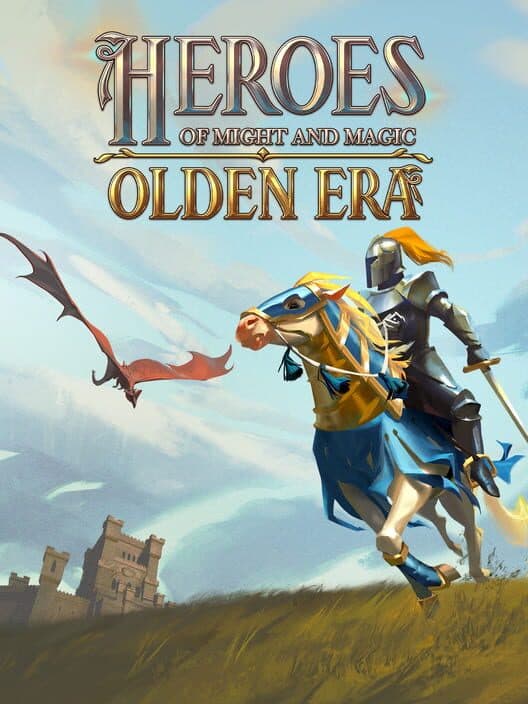
Heroes of Might & Magic: Olden Era cover art

Heroes of Might & Magic: Olden Era

Unknown Developer • 2026 •

Quick sessionsSatisfying to completeStrategic thinking

Is Heroes of Might & Magic: Olden Era Worth It?

Yes, Heroes of Might & Magic: Olden Era is worth it right now if you want deep, thoughtful strategy and can tolerate Early Access rough edges. Its big win is how well it captures the old Heroes magic: uncovering the map, growing towns, leveling heroes, and turning smart battlefield positioning into satisfying wins. Even a weeknight session can feel productive because you usually gain a mine, a level, a building, or a key victory. What it asks from you is mental energy. This is calm but demanding play, and coming back after a break takes some reorientation. It also still has live issues, especially around AI tuning, UI clarity, and multiplayer stability. Buy at full price if you already love turn-based strategy or classic Heroes-style design and want a replayable hobby now. Wait for a sale or more patches if you are curious but new to this kind of game. Skip it if you want a polished story campaign or low-effort background play.

What is Heroes of Might & Magic: Olden Era like?

Opinions of Heroes of Might & Magic: Olden Era

What Players Love

  • Players Love

    A true classic feel with smart modern touches

    Players say it captures the old map-exploration and town-growth magic while adding newer ideas like Laws and Focus without losing the series identity.

  • Players Love

    Faction variety and modes make it dangerously replayable

    Six factions, random maps, scenarios, Arena, hotseat, and an editor keep the same core loop feeling fresh. Many players call it an easy one-more-turn time sink.

Common Concerns

  • Common Concern

    AI tuning can feel unfair or oddly inconsistent

    The biggest complaint is balance volatility. Easy and Normal have both been called too punishing or strangely soft, and patches are still moving the line.

  • Common Concern

    Multiplayer is promising but still rough in places

    Players like the hotseat and online options, but desyncs, lobby issues, timers, and save or reconnect hassles still make online sessions less smooth than solo play.

Divisive Aspects

  • Divisive

    UI readability clicks for veterans, less for newcomers

    Some players adjust quickly, while others want clearer tooltips, better scaling, and cleaner information flow. It is usable, but not the friendliest first impression.

What does Heroes of Might & Magic: Olden Era demand from you?

Time

MODERATE

Time

It fits weeknights better than many big strategy games, but campaigns and skirmishes still create a strong just-one-more-day pull.

MODERATE

This game fits adult schedules better than many big strategy games, but it still likes to stretch its legs. On the flexible side, solo play pauses instantly, manual saves are easy, and nothing breaks if you stop mid-map. Arena can even give you a compact tactical session when you only have 15 to 20 minutes. The catch is that the larger campaign missions and Classic maps naturally run long. Even when you plan for one hour, the game keeps offering one more treasure pile, one more building, one more battle that will set up tomorrow. Re-entry is also a real factor. If you leave for a week, you will spend a few minutes remembering hero roles, town plans, artifacts, and where each front line stands before you feel sharp again. Right now, the solo path is the safest bet. Hotseat and online options exist, but they are less reliable and ask more patience because the Early Access build is still patching stability and quality-of-life issues. A satisfying first run does not require months.

Tips
  • Pick Arena or smaller random maps on busy weeks; they preserve the core tactics without demanding a whole evening.
  • Leave yourself a short note about hero goals, town builds, and next targets before quitting to cut down return-time confusion.
  • Treat multiplayer as a bonus mode for now; solo is the cleaner fit if your schedule is tight or interruptions are common.

Focus

MODERATE

Focus

Calm pace, busy brain: you can pause anytime, but every move asks you to weigh routes, resources, hero builds, and battlefield position.

MODERATE

Olden Era asks for a busy brain, not quick hands. Most turns are spent weighing trade-offs: push forward or bank resources, build growth or troops, feed one main hero or spread strength around. Battles add another layer as you track turn order, hex position, special abilities, and whether winning now costs too much for the next fight. The good news is the pace is kind to real life. Nothing important happens until you decide, so you can pause, look away, and come back without dying. The harder part is mental bandwidth. Even on a calm night, this is not background play beside a show. It gives you the pleasure of feeling smart when a route, recruit, or spell plan comes together, but it asks you to stay engaged while you play. If you like games where planning matters every few seconds, this is deeply satisfying. If you want something you can half-watch while tired, it will feel heavier than its turn-based pace suggests.

Tips
  • End sessions after a major battle and queued town builds, so your next return starts with clear priorities instead of map confusion.
  • Use secondary heroes as scouts and couriers; separating jobs reduces mental clutter and makes each turn easier to read.
  • If the full game feels overwhelming, start with Single-Hero or Arena to learn combat value before managing several towns and fronts.

Challenge

HIGH

Challenge

Easy to understand in broad strokes, harder to play well once towns, skills, Laws, and army timing start interacting.

HIGH

Olden Era is easier to understand than it is to play well. The basic loop clicks quickly: explore, grab resources, build towns, recruit creatures, and fight for map control. Real competence takes longer because the systems stack. You need a feel for faction strengths, hero skills, Laws, unit counters, scouting value, town timing, and when not to take a fight. None of that demands quick hands, but it does reward repeated exposure. The good news is the game gives you several soft landing spots. There is a tutorial, a lighter Single-Hero mode, adjustable difficulty, and the freedom to save before risky commitments. That keeps the learning process from feeling cruel, even when you lose because you expanded too slowly or built the wrong thing. Think of it as harder to internalize than a straightforward action game, but less brutal than a true ironman tactics game. The payoff is strong: once the rules settle in, your decisions start compounding in satisfying ways, and each faction feels more distinct the longer you play.

Tips
  • Learn one faction first instead of sampling all six; repeated play with familiar units teaches timing and economy much faster.
  • Use auto-battle only on clearly easy fights, then check losses so you still learn which matchups are safe.
  • Before choosing skills or Laws, ask what problem they solve right now; broad plans beat grabbing every shiny option.

Intensity

MODERATE

Intensity

This is pressure from consequences, not panic: losses sting because maps snowball, but the turn-based pace gives you room to breathe and rethink.

MODERATE

The pressure here comes from consequences, not panic. Bad fights, missed resource pickups, or one greedy push can make the next several turns harder, so losses sting more than they shock. That creates a steady undercurrent of tension, especially on larger maps where one mistake can slow your whole snowball. Still, the game rarely feels physically stressful. You are not reacting under a timer in normal solo play, and most hard moments give you time to think, reload, or step away. That makes the emotional feel closer to a long strategy war than to action games or horror. The current Early Access build does add some extra roughness because AI tuning is still moving, so Normal can occasionally feel harsher or stranger than expected. When the game is at its best, that pressure is satisfying because every win feels earned. When you are already tired, though, a lost army or badly judged fight can feel deflating. Best played when you want thoughtful pressure rather than pure relaxation.

Tips
  • Save before commitment-heavy battles or long pushes, especially on larger maps where one bad loss can echo for many turns.
  • If Normal feels weirdly sharp, lower the setting without guilt; Early Access balance is still settling and difficulty labels are not perfect.
  • When frustration spikes, stop after securing a town or mine instead of trying to recover immediately with a tilted follow-up fight.

Frequently Asked Questions

Heroes of Might & Magic: Olden Era is medium-hard for a new player. It is not hard in the reflex sense at all, but it can be hard to read well because small strategic mistakes snowball over a long map. The challenge comes from planning routes, protecting your economy, choosing the right fights, and understanding how hero skills, armies, and town growth work together. Basic play is much easier than mastery. You can learn the loop in a few hours, but feeling truly comfortable usually takes closer to 15-20 hours, especially if this is your first Heroes game. Compared with Civilization VI, it is more tactical from turn to turn. Compared with XCOM 2, it is usually less punishing because you can save freely and adjust difficulty. Right now the Early Access build adds some uncertainty because AI balance is still being tuned, so Normal can feel spikier than expected. If you like slow, thinky games, the difficulty is rewarding. If you want instant clarity and smooth onboarding, expect a bumpier start.

Right now, the current campaign act is roughly 8-15 hours, and a solid scenario or random map can run anywhere from 3-10 hours depending on map size and how carefully you play. For most people, seeing the game's core appeal means about 15-25 hours: enough time to finish the opening story content, try a substantial skirmish, and get comfortable with how towns, heroes, and battles fit together. Completionists can spend far longer because the replay value is huge, but you do not need months to feel satisfied. Session length is very flexible in solo play. You can save almost anytime, stop mid-map, and come back later, which makes 45-90 minute nights workable. Arena is even better for short sessions if you want a cleaner start-and-stop loop. The real time risk is not forced marathons. It is the game's one-more-turn pull. You will often mean to stop after one battle, then stay for another build, another pickup, and one more day.

Olden Era is mildly to moderately stressful, but in a thoughtful way rather than a heart-pounding one. Most of the pressure comes from long-term consequences. A bad fight, weak build choice, or missed resource can slow your whole map, so the game keeps a steady sense of stakes. What it usually does not create is panic. In normal solo play, everything is turn-based, you can pause, and you have time to think through tough battles before committing. So the feeling is closer to a tense board game or a hard strategy war than to horror, stealth, or fast action. The frustrating kind of stress mostly shows up when Early Access rough edges get involved, especially AI tuning that can make difficulty feel uneven. If you enjoy careful planning and like wins that feel earned, the pressure is often the fun part. If you want something soothing after a long day, this is better for alert evenings than half-asleep couch time. Smaller maps and Arena are the gentler ways to play.

Yes. Olden Era works very well as a solo game, and it is more casual-friendly than many big strategy titles as long as you are okay with a little mental bookkeeping. Single-player is the main lane right now: you can pause whenever you want, save almost anywhere, and take turns at your own pace. That makes it far easier to fit into real life than games that demand long live matches or fixed co-op schedules. It also gives you shorter options like Arena when you want a complete session without committing to a huge map. The main caveat is coming back after time away. If you leave a campaign or skirmish untouched for a week or two, you may need several minutes to remember your hero builds, town plans, and map position. The other caveat is multiplayer, which exists but is still rougher than solo because of Early Access stability and quality-of-life issues. So yes, you can absolutely play it casually, but it is best casual in scheduling, not in mental effort.

No, Heroes of Might & Magic: Olden Era is not pay-to-win based on its current Steam release. It is a one-time purchase, and there are no store-listed boosters, card packs, power bundles, or paid systems that let someone buy better armies, faster progress, or ranked advantages. Everyone is working with the same game systems, and success still comes from planning, map control, hero development, and battle decisions. The main money caveat is simply that it is an Early Access game. The developers have said the price may rise over time as more content is added, which affects when you buy, not whether you can buy power. That means the real question is value, not fairness. If you buy now, you are paying to play the current build with its strong core loop and rough edges. If you wait, you may get a more polished version later, possibly at a higher price. But there is no sign of paid power distorting the game itself.
← Back to Home